
Pipeline weld inspection is one of the most critical activities in oil, gas, and petrochemical infrastructure development. Every weld represents a potential weak point in a system that may operate under high pressure, extreme temperatures, and continuous mechanical stress for decades.
To ensure integrity, non-destructive testing (NDT) methods such as radiographic testing (RT) are widely used. Gamma radiography, in particular, remains a preferred technique for field weld inspection due to its portability and ability to produce reliable internal images without requiring complex power infrastructure.
However, the use of radioactive sources introduces controlled radiation risks that must be carefully managed. Radiation protection in pipeline weld inspection is not just a regulatory requirement-it is a core part of safe field operations.
Why Pipeline Weld Inspection Requires Radiography
Pipeline systems often span hundreds or even thousands of kilometers, crossing remote terrain, deserts, offshore corridors, and industrial zones.
During construction and maintenance, welds are inspected to verify:
Internal fusion quality
Lack of cracks or porosity
Proper joint alignment
Structural integrity under pressure
Radiographic testing provides a permanent image of the internal weld structure, making it highly valuable for:
Regulatory compliance
Engineering validation
Quality assurance documentation
Long-term asset reliability
For long-distance pipelines, especially in oil and gas transmission systems, radiography is often a mandatory inspection method.
Radiation Risks in Field Pipeline Operations
Unlike controlled laboratory environments, pipeline weld inspection takes place in open field conditions.
These environments introduce several radiation safety challenges:
Remote and isolated work locations
Limited access to emergency support
Variable terrain and weather conditions
Multiple work crews operating nearby
Temporary and mobile work zones
Gamma radiation sources used in RT are highly effective but require strict control. If not properly managed, exposure risks can arise from:
Improper boundary control
Unauthorized entry into controlled areas
Source handling errors
Communication failures between crews
Because pipeline projects often operate under tight schedules, safety procedures must be consistently enforced even under production pressure.
Establishing Controlled Radiation Areas
A fundamental principle of radiation protection in pipeline inspection is the establishment of controlled areas before exposure begins.
This typically involves:
Setting up exclusion zone boundaries
Using warning signs and physical barriers
Assigning radiation safety attendants
Verifying clearance before source exposure
Maintaining clear communication with nearby teams
In field conditions, exclusion zones may need to be adjusted depending on terrain and wind direction, especially when working in open environments.
The goal is simple: ensure that no unauthorized personnel are present in the radiation field during exposure.
The Importance of Distance, Time, and Shielding
Radiation protection in pipeline weld inspection is based on three core principles:
1. Distance
Increasing distance from the radiation source significantly reduces exposure. Pipeline RT teams often use remote exposure systems to ensure operators remain outside high-radiation zones.
2. Time
Minimizing exposure time reduces accumulated dose. Efficient workflow planning helps ensure that radiographic exposures are completed quickly and safely.
3. Shielding
Lead shielding or collimators are used to direct radiation toward the target weld and reduce scatter radiation in surrounding areas.
These principles are applied together to maintain ALARA (As Low As Reasonably Achievable) conditions during inspection.
Role of Personal Dosimetry in Pipeline RT
Personal dosimetry is essential for monitoring individual radiation exposure during pipeline weld inspection.
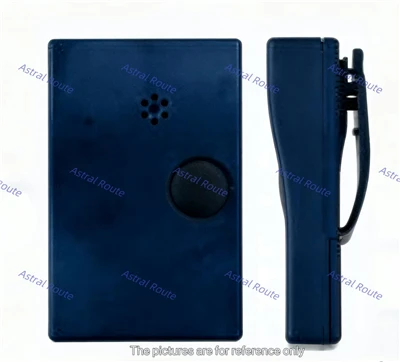
Electronic Personal Dosimeters (EPDs) and passive dosimeters are commonly used to:
Track cumulative radiation dose
Provide real-time exposure feedback
Alert workers to high dose rates
Ensure compliance with regulatory limits
In field pipeline environments, workers may be exposed to varying radiation conditions depending on their proximity to active radiography zones.
Real-time dosimetry helps ensure that exposure remains within safe limits throughout the work shift.
Survey Meters and Area Monitoring
Portable radiation survey meters play a key role in verifying safe working conditions during pipeline radiography.
They are used to:
Measure dose rates around the weld site
Confirm boundary effectiveness
Check source return after exposure
Ensure safe re-entry into controlled areas
Area monitoring becomes especially important in large pipeline spreads where multiple inspection teams may operate simultaneously.
Without accurate survey data, it becomes difficult to maintain consistent radiation safety across extended work zones.
Challenges in Remote Pipeline Projects
Many pipeline projects take place in remote or difficult-to-access locations.
These conditions introduce additional challenges:
Limited communication infrastructure
Delayed emergency response capability
Harsh environmental conditions (heat, sand, cold)
Long working shifts in isolated areas
Limited access to replacement equipment
In such environments, radiation safety systems must be highly reliable and self-sufficient.
Equipment failure or procedural breakdowns can have more serious consequences due to the lack of immediate external support.
Night Shift Pipeline Radiography
Pipeline construction often requires continuous progress, meaning radiographic inspection may occur at night.
Night operations introduce additional safety risks:
Reduced visibility of exclusion zones
Increased fatigue among workers
Higher risk of communication errors
Difficulty in maintaining boundary awareness
To address these challenges, RT teams rely more heavily on:
Illuminated warning signs
Electronic dosimeters with audible and vibration alarms
Frequent radiation surveys
Strict communication protocols before each exposure
Real-time monitoring becomes especially valuable during night shifts when visual control is limited.
Source Handling Safety in Field Conditions
Safe handling of gamma radiation sources is critical in pipeline inspection.
Key safety practices include:
Proper source container inspection before use
Controlled transfer procedures
Secure locking mechanisms during transport
Verification of source position after exposure
Strict adherence to handling protocols
Because pipeline environments are often uneven and remote, careful handling reduces the risk of accidental exposure or equipment damage.
Regulatory Compliance in Pipeline RT
Pipeline projects are governed by strict national and international safety standards.
Radiation protection requirements typically include:
Individual dose monitoring
Controlled area documentation
Equipment calibration records
Exposure incident reporting procedures
Compliance with occupational dose limits
Failure to comply with radiation safety regulations can result in project delays, financial penalties, or suspension of inspection activities.
As a result, contractors place strong emphasis on maintaining proper radiation protection systems throughout the project lifecycle.
Improving Safety Through Modern Monitoring Systems
The pipeline NDT industry is gradually shifting toward more advanced radiation monitoring technologies.
Modern systems may include:
Electronic personal dosimeters for real-time tracking
Digital survey meters with data logging capabilities
Area radiation monitoring stations
Centralized radiation safety dashboards
These systems improve visibility of radiation conditions and help safety managers make faster, more informed decisions.
Supporting Pipeline Safety with Advanced Solutions
Companies such as Astral Route provide radiation monitoring equipment designed for demanding industrial environments such as pipeline construction and maintenance.
These solutions include:
Electronic personal dosimeters for real-time exposure monitoring
Portable radiation survey meters for field measurements
Neutron dosimeters for specialized applications
Contamination monitoring instruments for site safety control
These tools help pipeline contractors improve radiation protection, maintain compliance, and ensure safe inspection operations across long-distance infrastructure projects.
FAQ
Why is radiography used in pipeline weld inspection?
Because it provides a clear internal image of weld quality, helping ensure structural integrity and long-term pipeline safety.
What are the main radiation risks in pipeline RT?
The main risks include exposure from gamma radiation sources, boundary control failures, and unauthorized entry into controlled areas.
Why are electronic dosimeters important in field inspections?
They provide real-time exposure monitoring and immediate alarms, helping workers respond quickly to changing radiation conditions.
How are exclusion zones managed in pipeline projects?
They are established around the radiation source using barriers, signage, and safety personnel, and adjusted based on field conditions.
Is pipeline radiography safe?
Yes, when proper radiation protection procedures, equipment, and monitoring systems are strictly followed.
Final Thoughts
Radiation protection in pipeline weld inspection is a critical component of safe and successful infrastructure development. While gamma radiography is essential for ensuring weld integrity, it must always be carried out under strict safety controls.
By combining proper exclusion zone management, reliable radiation monitoring equipment, and disciplined operational procedures, NDT teams can safely perform inspections even in challenging field environments.
As pipeline projects continue to expand globally, modern radiation protection systems will play an increasingly important role in supporting both operational efficiency and worker safety.