Liquefied Natural Gas (LNG) plant construction projects are among the most complex industrial developments in the energy sector. They combine large-scale civil engineering, high-precision mechanical installation, and strict safety requirements across multiple disciplines.
During peak construction and commissioning phases, radiation-related activities such as non-destructive testing (NDT), weld inspection, and material verification become essential for ensuring structural integrity.
While LNG facilities are not inherently high-radiation environments, the introduction of radiographic testing (RT) during construction creates a controlled radiation risk that must be carefully managed. In this context, personal dosimetry plays a central role in protecting workers and maintaining regulatory compliance.
Why Radiation Safety Matters in LNG Construction
LNG plants are typically built as large, multi-contractor projects involving thousands of workers from different specialties.
During construction, radiography is widely used to inspect:
Pipeline welds in process systems
Pressure vessels and cryogenic equipment
Structural steel joints
Heat exchanger assemblies
Storage tank components
Gamma radiography is often preferred because of its portability and ability to perform inspections in complex field conditions without requiring external power sources.
However, the use of radioactive sources introduces exposure risks that must be controlled across large and dynamic work areas.
The Role of Personal Dosimetry in Construction Environments
Personal dosimetry refers to the measurement and recording of radiation exposure received by individual workers.
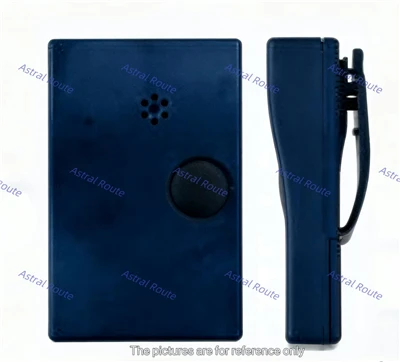
In LNG construction projects, this is typically achieved using Electronic Personal Dosimeters (EPDs) or passive dosimeters, depending on regulatory requirements and project standards.
The primary objective is to ensure that no worker exceeds occupational dose limits while performing their assigned tasks.
Personal dosimetry provides:
Continuous exposure tracking
Regulatory compliance documentation
Worker safety assurance
Exposure trend analysis
Emergency exposure detection
Among these, real-time monitoring has become increasingly important in large construction environments.
Challenges of Radiation Monitoring on LNG Projects
Unlike fixed industrial facilities, LNG construction sites are constantly changing.
Work areas evolve daily as new modules are installed and connected. This creates several challenges for radiation protection teams:
Moving work zones and temporary boundaries
Multiple contractors working simultaneously
Frequent shift changes and workforce rotation
Tight construction schedules
High-pressure commissioning deadlines
In such an environment, relying solely on static radiation control measures is not sufficient.
Personal dosimetry provides a flexible and portable solution that moves with the workforce.
Why Electronic Personal Dosimeters Are Increasingly Used
Traditional passive dosimeters such as film badges or TLDs are still widely used in many industries. However, LNG construction projects increasingly favor electronic personal dosimeters due to their operational advantages.
EPDs provide:
Real-time dose readings
Instant alarm alerts
Dose-rate monitoring
Digital data recording
Immediate feedback to workers
This real-time capability is particularly important during radiographic testing activities, where exposure conditions can change rapidly depending on source positioning and shielding arrangements.
If a worker unknowingly approaches a radiation-controlled area, the dosimeter can provide immediate warning, allowing corrective action before significant exposure occurs.
Supporting Radiography Operations in Construction Phases
Radiographic testing is a critical quality assurance method during LNG plant construction.
It is commonly used to verify:
Weld integrity in cryogenic piping systems
Pressure boundary components
Structural connections in modular assemblies
Fabrication quality before system commissioning
During these operations, multiple RT crews may be active across different sections of the construction site.
Personal dosimetry ensures that each individual involved in or near radiation work is continuously monitored, regardless of their role or location.
This is especially important in shared work environments where mechanical, electrical, and commissioning teams may operate close to active radiography zones.
Dose Management Across Large Workforces
LNG construction projects often involve a large and diverse workforce, including:
RT technicians
Welding inspectors
Construction engineers
Subcontractor personnel
Commissioning teams
Managing radiation exposure across such a large group requires structured monitoring systems.
Personal dosimetry helps radiation safety officers:
Track cumulative dose for each worker
Identify high-exposure activities
Control workforce rotation schedules
Ensure compliance with dose limits
Support long-term exposure planning
Without reliable dosimetry, managing exposure across thousands of workers becomes extremely difficult.
Night Shift Construction and Radiation Safety
Many LNG construction activities continue around the clock to meet project deadlines.
Night shifts introduce additional challenges:
Reduced visibility in large construction zones
Worker fatigue
Limited supervision coverage
Increased risk of communication errors
Electronic personal dosimeters are particularly valuable during night operations because they provide direct feedback to workers without requiring visual confirmation of radiation conditions.
Alarm functions such as sound and vibration ensure that warnings remain effective even in noisy construction environments.
Confined Areas and Module Construction Risks
Modern LNG plants are often built using modular construction techniques.
Large prefabricated units are assembled and connected on site, creating confined working areas where multiple systems intersect.
These environments can make radiation boundary control more difficult.
Personal dosimetry provides an additional layer of protection by ensuring that workers receive immediate notification if they enter areas with elevated radiation levels during radiographic inspections.
Regulatory Compliance and Project Requirements
LNG projects are typically governed by strict international safety standards and client-specific requirements.
Common expectations include:
Individual dose tracking for all personnel
Real-time monitoring during radiography
Traceable exposure records
Compliance with occupational dose limits
Documentation for safety audits
Personal dosimetry systems help contractors meet these requirements and demonstrate compliance to both regulators and project owners.
In many cases, electronic dosimetry is now a mandatory requirement for site access during radiographic operations.
Reducing Operational Risk in High-Value Projects
LNG facilities represent billions of dollars in investment. Any safety incident during construction can lead to:
Work stoppages
Regulatory investigations
Schedule delays
Increased insurance costs
Reputational damage
Radiation safety is therefore not only a compliance requirement but also a project risk management tool.
Personal dosimetry reduces operational risk by ensuring that exposure levels are continuously monitored and controlled.
Integration With Modern Radiation Safety Systems
Advanced LNG construction projects are increasingly adopting integrated radiation safety systems that combine:
Electronic personal dosimeters
Portable survey meters
Area radiation monitors
Digital reporting platforms
This integration allows safety teams to monitor radiation exposure in real time across multiple work zones, improving both situational awareness and response capability.
Supporting LNG Projects With Advanced Monitoring Solutions
Companies such as Astral Route provide radiation monitoring solutions designed for industrial construction environments, including LNG projects.
These systems include:
Electronic personal dosimeters for real-time exposure tracking
Portable radiation survey meters for field measurements
Neutron dosimeters for specialized applications
Contamination monitoring instruments for worksite control
These tools help LNG contractors improve worker safety, maintain compliance, and manage radiation exposure efficiently across large-scale construction operations.
FAQ
Why is personal dosimetry important in LNG projects?
Because radiographic testing introduces controlled radiation exposure during construction, requiring continuous monitoring of worker dose levels.
What type of dosimetry is used in LNG construction?
Both electronic personal dosimeters and passive dosimeters are used, with increasing preference for electronic systems due to real-time monitoring capabilities.
Are LNG plants naturally radioactive environments?
No. Radiation exposure in LNG projects is typically associated with temporary NDT activities rather than the plant itself.
Why is real-time monitoring important?
It allows workers to respond immediately to changing radiation conditions, reducing unnecessary exposure.
Who needs to wear dosimeters on LNG sites?
Anyone involved in or working near radiographic testing activities or designated radiation-controlled areas.
Final Thoughts
Personal dosimetry is a fundamental component of radiation safety in LNG plant construction projects. As these projects grow in scale and complexity, ensuring accurate and real-time monitoring of worker exposure becomes increasingly important.
By combining reliable dosimetry systems with strong operational procedures and coordinated safety management, LNG contractors can maintain high safety standards while meeting demanding construction schedules.
In modern LNG projects, radiation safety is not a secondary consideration-it is an integral part of successful project delivery.