Nuclear power plants are built with safety as their highest priority, yet some of the most demanding radiation protection tasks occur not during normal operation, but during planned maintenance outages.
Every refueling outage or maintenance shutdown involves hundreds of specialized tasks completed within a limited schedule. Components are inspected, worn equipment is replaced, systems are upgraded, and non-destructive testing (NDT) is performed to verify the integrity of critical structures.
These activities require thousands of workers, contractors, and engineers to enter controlled radiation areas that are normally inaccessible during routine plant operation.
For radiation protection teams, the challenge is not simply measuring radiation-it is managing exposure across a dynamic, fast-paced environment where every decision affects worker safety, regulatory compliance, and project schedules.
Why Maintenance Outages Increase Radiation Risk
Unlike normal plant operation, maintenance outages require personnel to work close to systems that may contain residual radioactive contamination or activated materials.
Common maintenance activities include:
Steam generator inspections
Reactor vessel maintenance
Primary piping inspections
Valve replacement
Pump maintenance
Heat exchanger servicing
Weld inspections using NDT
Many of these jobs involve temporary access to areas with elevated dose rates.
Although exposure is carefully planned and controlled, the sheer number of workers and tasks increases the complexity of radiation protection.
Balancing Safety With Tight Maintenance Schedules
A nuclear outage can cost hundreds of thousands of dollars per day.
Every maintenance activity must therefore be completed as efficiently as possible without compromising safety.
This creates a constant balance between:
Worker exposure
Inspection quality
Regulatory compliance
Project deadlines
Radiation protection teams must support operational efficiency while ensuring occupational doses remain well below established limits.
Good planning is essential because rushing work inside controlled areas often results in unnecessary exposure.
Radiation Fields Can Change Quickly
One misconception about nuclear maintenance is that radiation conditions remain constant.
In reality, dose rates can change throughout an outage due to:
Equipment removal
Shielding modifications
System drainage
Component replacement
Waste handling activities
A work area that is considered low dose during the morning may present different radiation conditions later in the day.
Continuous radiation monitoring allows safety personnel to identify these changes and adjust work controls accordingly.
Personal Dosimetry Is the First Line of Defense
Every worker entering designated radiation-controlled areas should be equipped with appropriate personal dosimetry.
Electronic Personal Dosimeters (EPDs) have become standard equipment in many nuclear facilities because they provide:
Real-time dose monitoring
Continuous dose-rate display
Audible and vibration alarms
Immediate exposure awareness
Digital dose records
Unlike passive badges that are reviewed after work is complete, electronic dosimeters allow workers to react immediately if radiation levels increase unexpectedly.
This real-time feedback helps reduce unnecessary exposure throughout the outage.
Managing Exposure Across Large Workforces
Major maintenance outages often involve hundreds or even thousands of personnel from multiple organizations.
Typical participants include:
Plant maintenance teams
NDT specialists
Mechanical contractors
Electrical technicians
Insulation crews
Engineering consultants
Each individual may enter controlled areas several times during a shift.
Radiation protection departments must monitor cumulative dose while coordinating workforce movement to ensure occupational limits are not approached.
Modern digital dosimetry systems simplify this process by allowing rapid review of individual exposure histories.
Contamination Control Adds Another Layer of Complexity
Radiation protection involves more than measuring external dose.
Maintenance work may also involve radioactive contamination.
Examples include:
Activated corrosion products
Contaminated tools
Radioactive dust
Liquid contamination
Protective clothing management
Personnel leaving contaminated work areas often pass through contamination monitoring stations before entering clean areas.
Portable contamination monitors are also used to inspect equipment and work surfaces during maintenance activities.
These procedures help prevent radioactive materials from spreading beyond controlled zones.
Confined Spaces Present Higher Exposure Risks
Many maintenance activities take place inside confined spaces where radiation sources are closer to workers.
Examples include:
Steam generator channels
Pipe galleries
Reactor auxiliary systems
Shielded maintenance compartments
These environments create several challenges:
Limited mobility
Restricted escape routes
Higher localized dose rates
Difficulty positioning shielding
Increased worker fatigue
Careful work planning, continuous communication, and real-time dosimetry are essential for minimizing exposure in confined spaces.
Remote Monitoring Improves Worker Safety
Many nuclear facilities now use advanced radiation monitoring technologies that reduce the need for unnecessary personnel entry.
These systems may include:
Area radiation monitors
Remote dose monitoring
Wireless electronic dosimeters
Centralized radiation dashboards
Remote monitoring allows radiation protection supervisors to evaluate changing conditions without repeatedly entering controlled areas.
This supports better decision-making while reducing collective dose.
Equipment Reliability Is Essential
Radiation monitoring equipment must perform reliably throughout extended maintenance campaigns.
Before each outage, facilities typically verify:
Calibration status
Alarm functionality
Battery condition
Detector performance
Software updates
Spare equipment availability
Unexpected equipment failures during critical maintenance work can delay operations and reduce confidence in radiation measurements.
Preventive maintenance and regular calibration are therefore essential components of outage preparation.
Training and Human Factors
Even the most advanced radiation monitoring equipment cannot replace well-trained personnel.
Human factors remain one of the largest contributors to radiation safety performance.
Effective nuclear maintenance programs emphasize:
Pre-job briefings
ALARA planning sessions
Mock-up training
Continuous communication
Post-job exposure reviews
Workers who understand both the technical procedures and the reasons behind radiation protection requirements are better equipped to make safe decisions in the field.
Regulatory Expectations Continue to Increase
Nuclear facilities operate under some of the world's most stringent radiation protection regulations.
Operators are expected to maintain:
Accurate individual dose records
Equipment calibration documentation
Radiation survey reports
Contamination monitoring records
Emergency response procedures
Continuous compliance with occupational exposure limits
Meeting these requirements requires reliable instrumentation supported by well-documented radiation protection programs.
Modern Radiation Monitoring for Nuclear Maintenance
As maintenance activities become more complex, nuclear facilities are investing in smarter radiation monitoring technologies.
Integrated systems may include:
Electronic personal dosimeters
Portable radiation survey meters
Neutron dosimeters
Surface contamination monitors
Fixed area radiation monitors
Together, these instruments provide comprehensive information that supports both worker protection and operational efficiency.
Supporting Nuclear Maintenance With Advanced Radiation Monitoring
Astral Route provides a range of radiation monitoring solutions suitable for nuclear maintenance environments.
These include:
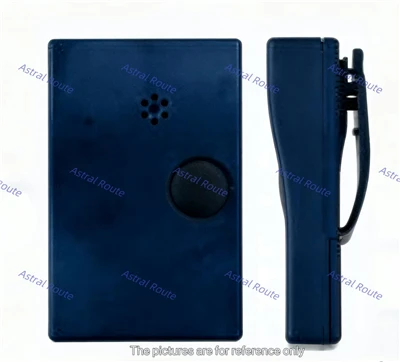
Electronic personal dosimeters for real-time exposure monitoring
Neutron dosimeters for neutron radiation measurement
Portable survey meters for dose-rate assessment
Surface contamination monitors for contamination control
These solutions help nuclear operators improve situational awareness, strengthen compliance, and support safer maintenance activities throughout planned outages.
FAQ
Why is radiation exposure higher during nuclear maintenance?
During maintenance outages, workers enter controlled areas to inspect and repair equipment that may contain residual radiation or radioactive contamination.
Why are electronic personal dosimeters widely used in nuclear plants?
They provide real-time dose information and immediate alarms, allowing workers to respond quickly to changing radiation conditions.
What is the purpose of contamination monitoring?
Contamination monitoring helps detect radioactive materials on personnel, tools, or surfaces and prevents contamination from spreading to clean areas.
How do nuclear facilities reduce worker exposure?
Facilities apply the ALARA principle by minimizing time in radiation areas, maximizing distance from sources, using shielding, and employing real-time radiation monitoring.
What radiation monitoring equipment is commonly used during nuclear maintenance?
Electronic personal dosimeters, portable survey meters, neutron dosimeters, contamination monitors, and fixed area radiation monitoring systems are commonly deployed.
Final Thoughts
Radiation protection during nuclear maintenance is a continuous process that extends far beyond routine monitoring. Dynamic work environments, changing radiation fields, confined spaces, and demanding outage schedules require careful planning, disciplined work practices, and reliable monitoring equipment.
By combining experienced radiation protection teams with modern dosimetry, contamination monitoring, and real-time survey technologies, nuclear facilities can protect workers while completing essential maintenance efficiently and in compliance with regulatory requirements.
As the global nuclear industry continues to modernize aging plants and construct new facilities, effective radiation protection will remain one of the foundations of safe and reliable plant operation.