

Advanced Low Altitude Monitoring Solution for Airport Safety Management
Airports are among the most important transportation facilities in the world, handling millions of passengers and large volumes of cargo every year.
With the increasing use of commercial drones for photography, inspection, delivery, and other applications, airports face new challenges in managing activities within their surrounding low altitude airspace.
Unauthorized drone activities near airports may affect flight operations, create operational disruptions, and increase safety concerns. Traditional airport security systems are mainly designed for ground-level monitoring and may not provide sufficient visibility of small aerial activities.
An Airspace Security System for Airports provides a comprehensive solution for monitoring low altitude airspace around airport environments. By integrating drone detection technologies, intelligent monitoring platforms, and multi-sensor capabilities, the system helps airport operators improve awareness of nearby aerial activities and strengthen overall airspace management.
Designed for civilian airport applications, this solution supports airports, aviation facilities, and transportation operators seeking reliable low altitude monitoring capabilities.

Why Airports Need Low Altitude Airspace Monitoring
Modern airports operate in complex environments where safety, efficiency, and continuous operation are critical.
While drones provide valuable support for many industries, uncontrolled drone activities near airports can create challenges, including:
Increasing Drone Activity Around Airports
The popularity of consumer and commercial drones has increased significantly. Nearby drone operations may occur due to:
- Recreational activities
- Photography projects
- Commercial inspection
- Unauthorized operations
Airports require better awareness of surrounding low altitude activities.
Limitations of Traditional Security Systems
Existing airport security infrastructure usually focuses on:
- Passenger security
- Ground access control
- Perimeter monitoring
- Aircraft operations
However, low altitude airspace requires additional monitoring capabilities to identify potential drone-related activities.
Large and Complex Airport Environments
Airports cover extensive areas, including:
- Runways
- Taxiways
- Terminals
- Cargo areas
- Maintenance zones
Monitoring such large environments requires intelligent and scalable solutions.
What Is an Airspace Security System for Airports?
An Airspace Security System for Airports is an integrated monitoring solution designed to provide awareness of drone activities and low altitude airspace conditions around airport facilities.
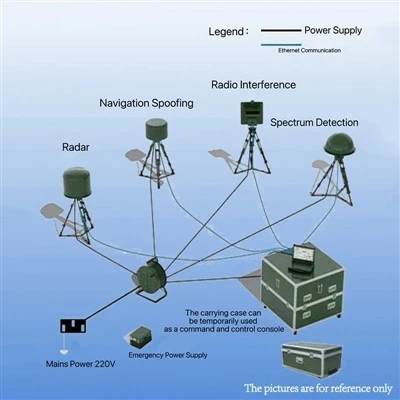
The system combines multiple technologies to improve monitoring capability, including:
- RF drone detection sensors
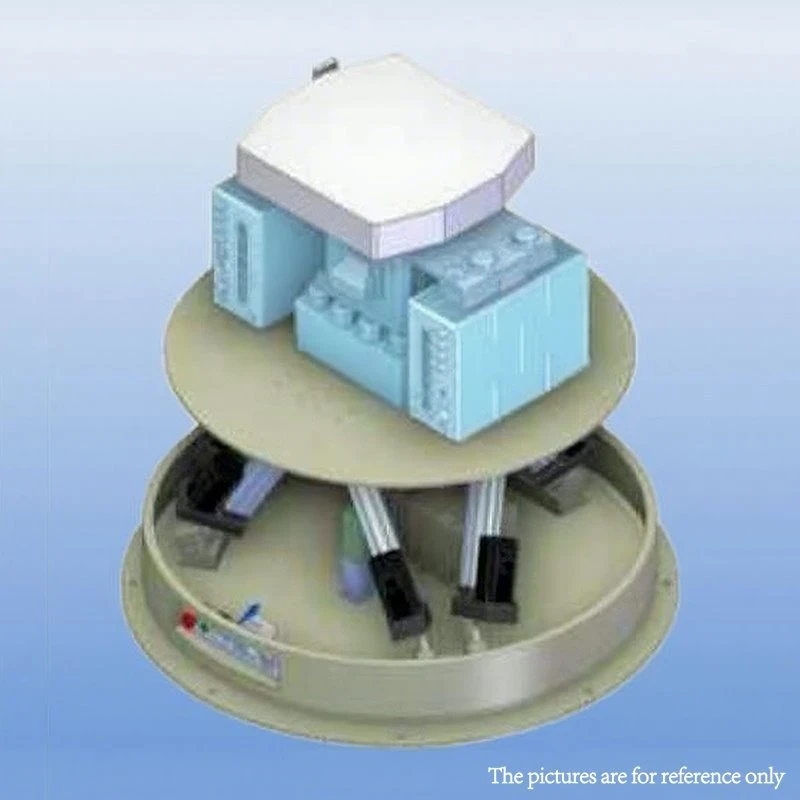
- Radar monitoring systems
- Optical cameras
- Thermal imaging devices
- AI-based recognition platforms
- Centralized management software
By combining different information sources, airport operators can obtain a clearer understanding of nearby airspace activities.
How Airport Airspace Security Systems Work
Drone Activity Detection
The system continuously monitors surrounding airspace through different detection technologies.
Depending on configuration, detection methods may include:
- RF signal analysis
- Radar-based object detection
- Visual monitoring
Intelligent Identification
After detecting possible aerial activity, intelligent analysis technologies help classify information.
The system may analyze:
- Signal characteristics
- Flight behavior
- Object appearance
- Movement patterns
This helps operators better understand detected activities.
Centralized Monitoring
Information from different sensors can be displayed through a unified management platform.
Airport security teams can monitor:
- Detection events
- Sensor status
- Activity information
- Historical records
This supports more efficient airspace management.
Key Features of Airport Airspace Security Systems
Continuous Low Altitude Monitoring
Airports require reliable monitoring capability because operations continue throughout the day and night.
A dedicated airspace security system provides continuous awareness of surrounding low altitude activities.
Multi-Sensor Integration
Different technologies provide different types of information.
An integrated airport solution can combine:
- RF detection for signal awareness
- Radar for object detection
- Cameras for visual confirmation
- AI for intelligent classification
This creates a more comprehensive monitoring approach.
Real-Time Alerts and Information Management
The system can provide timely notifications when potential drone activity is identified.
Operators can access:
- Detection information
- Location data
- Monitoring records
- System status
Integration with Airport Security Infrastructure
Modern airport environments require systems that work with existing operational platforms.
Airspace monitoring solutions can integrate with:
- Security operation centers
- Video management systems
- Facility management platforms
Applications Within Airport Environments
Airport Perimeter Monitoring
Airport boundaries cover large areas that require continuous observation.
Airspace security systems provide additional monitoring capability around perimeter zones.
Cargo and Logistics Areas
Cargo terminals and logistics areas often involve large outdoor spaces.
Monitoring solutions help improve awareness around these operational zones.
Airport Maintenance Areas
Maintenance facilities contain important equipment and operational resources.
Low altitude monitoring provides additional visibility around these areas.
Aviation Training and Support Facilities
Training centers and aviation support areas can also benefit from improved airspace awareness.
Benefits of Airspace Security Systems for Airports
Enhanced Airspace Visibility
Airports gain better awareness of activities occurring near their facilities.
Improved Operational Management
Centralized monitoring helps airport teams understand surrounding conditions more efficiently.
Scalable Security Architecture
Systems can be expanded with additional sensors and monitoring capabilities according to airport requirements.
Support for Modern Aviation Environments
As drone usage continues to grow, airports need intelligent tools to manage increasingly active low altitude airspace.

Why Choose an Airspace Security System for Airports?
Airports require reliable and intelligent solutions to manage the challenges of modern low altitude environments.
An Airspace Security System for Airports provides:
- Continuous drone activity monitoring
- Multi-sensor integration
- Intelligent identification support
- Centralized management
- Flexible system expansion
For airports and aviation-related facilities, airspace monitoring technology provides a practical way to improve awareness and support safer operations in the evolving drone era.
FAQ
Hot Tags: airspace security system for airports, China airspace security system for airports manufacturers, suppliers, factory