Central Asia is an important region for the global energy industry. Kazakhstan, Uzbekistan, Turkmenistan, and neighboring markets are investing in oil and gas production, pipeline infrastructure, refining capacity, uranium-related industries, and power generation.
These projects operate across some of the most challenging industrial environments. Remote locations, extreme seasonal temperatures, long transportation distances, and demanding maintenance schedules all place additional pressure on equipment reliability and workplace safety.
For energy companies and industrial inspection contractors, radiation safety is another issue that deserves greater attention.
Industrial radiography, radioactive material handling, nuclear-related activities, and specialized maintenance operations all require reliable radiation monitoring. When detection equipment is outdated, unsuitable for the radiation type, or difficult to maintain, the consequences can include worker exposure risks, inspection delays, and compliance problems.
Choosing the right radiation detection equipment is therefore an important part of managing modern energy projects across Central Asia.
Why Radiation Monitoring Matters in Central Asian Energy Projects
Radiation risks vary significantly across the energy sector.
Oil and gas facilities frequently use industrial radiography to inspect pipeline welds, pressure vessels, and critical equipment. Gamma-ray sources are commonly involved in these operations, making personal dosimetry and radiation survey instruments essential parts of radiation protection programs.
Other industries face different challenges.
Uranium mining and processing, nuclear research, radioactive material transportation, and specialized laboratory operations may involve additional radiation hazards, including contamination and, in certain environments, neutron radiation.
Without appropriate monitoring equipment, organizations may struggle to identify exposure risks and maintain effective radiation protection procedures.
Industrial Radiography: Protecting NDT Teams in Remote Locations
Pipeline construction and maintenance are major activities across Central Asia.
Radiographic testing (RT) is widely used to examine pipeline welds and verify the integrity of critical industrial components.
However, field radiography creates several safety challenges:
Workers may operate near gamma radiation sources.
Inspection teams frequently move between remote work locations.
Temporary radiation-controlled areas must be established.
Multiple contractors may work within the same project area.
Long shifts can increase fatigue and procedural errors.
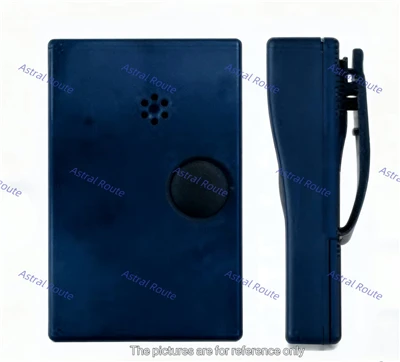
For NDT contractors, electronic personal dosimeters provide an additional layer of protection by displaying cumulative dose and dose-rate information during operations.
Alarm functions can alert workers when predefined thresholds are reached, allowing them to respond to changing radiation conditions.
For projects involving multiple RT teams, reliable personal monitoring equipment also helps radiation safety managers maintain better exposure records.
Oil & Gas Facilities Need Reliable Radiation Safety Equipment
Refineries, petrochemical plants, gas processing facilities, and pipeline stations depend on regular inspection and maintenance.
During major shutdowns, inspection contractors may conduct radiographic testing around pressure vessels, process piping, storage tanks, and other critical assets.
The combination of tight deadlines and simultaneous maintenance activities can make radiation control difficult.
Equipment selection should therefore consider:
Accurate radiation dose measurement
Reliable alarm functions
Clear and readable displays
Long operating time
Portability for field inspections
Calibration and maintenance requirements
For contractors working across Kazakhstan, Uzbekistan, and Turkmenistan, equipment that can support repeated deployment between industrial sites is particularly valuable.
Why Neutron Radiation Detection Should Not Be Overlooked
Most routine industrial radiography applications focus on X-ray and gamma radiation. However, not every radiation environment is limited to these types.
Neutron radiation can occur in certain nuclear facilities, research environments, accelerator applications, and specialized radiation-related operations.
Neutrons require dedicated detection technologies because conventional gamma-only dosimeters cannot adequately measure neutron exposure.
For organizations involved in nuclear research, uranium-related activities with relevant neutron fields, or specialized nuclear maintenance, neutron monitoring should be evaluated according to the actual radiation environment.
A combined neutron and gamma dosimeter can provide broader monitoring capabilities where both radiation types are present.
This is an important consideration when selecting equipment for organizations operating across different energy and nuclear-related sectors.
Radioactive Contamination Monitoring in Energy and Nuclear Operations
Radiation safety is not limited to measuring external exposure.
Radioactive contamination can also affect workers, equipment, tools, and working surfaces.
This is particularly relevant in uranium processing, nuclear maintenance, radioactive waste handling, and facilities where radioactive materials are routinely managed.
A surface contamination monitor helps identify radioactive material deposited on surfaces or personnel.
It can support:
Personnel contamination checks
Equipment inspection
Controlled-area exit monitoring
Maintenance area surveys
Contamination control procedures
For facilities handling radioactive materials, contamination monitoring provides information that personal dosimeters alone cannot supply.
Tritium Monitoring for Specialized Applications
Tritium is a radioactive isotope of hydrogen that requires specialized monitoring approaches.
It may be encountered in nuclear research, certain nuclear technology applications, specialized laboratories, and facilities handling tritium-containing materials.
Because tritium can exist in different chemical forms, selecting suitable monitoring equipment requires understanding the specific application and the type of tritium being monitored.
Portable tritium monitors can support radiation protection teams conducting checks in relevant working environments.
For Central Asian organizations involved in nuclear research or specialized radioactive material management, this capability may be an important part of a broader radiation monitoring program.
Equipment Reliability in Extreme Working Conditions
Central Asian energy projects frequently operate in environments with significant seasonal temperature variations.
Remote oilfields, desert pipelines, mining locations, and industrial facilities may expose monitoring instruments to:
Extreme summer heat
Very low winter temperatures
Dust and sand
Mechanical vibration
Long-distance transportation
Limited access to maintenance services
An instrument that performs well in a controlled laboratory may not necessarily be suitable for continuous field deployment.
Before purchasing radiation detection equipment, buyers should evaluate operating temperature specifications, battery performance, enclosure protection, calibration requirements, and manufacturer support.
For international procurement teams, spare parts availability and long-term equipment maintenance should also be considered.
Choosing the Right Radiation Detection Equipment
Different applications require different monitoring technologies.
A practical equipment selection strategy should begin with identifying the radiation hazards associated with the project.
Astral Route provides a range of radiation detection solutions for industrial and nuclear-related applications, including:
Electronic personal radiation dosimeters: For real-time individual dose and dose-rate monitoring.
Neutron dosimeters: For applications involving potential neutron exposure.
Surface contamination monitors: For detecting radioactive contamination on personnel, equipment, and surfaces.
Portable tritium monitors: For specialized tritium monitoring applications.
Radiation monitoring instruments: For supporting industrial inspection and radiation protection activities.
The product range can help buyers evaluate suitable equipment configurations based on their operating environments and monitoring requirements.
See detailed solutions for you at https://www.astralroutetech.com/radiation-dosimeter/
FAQ
Why do Central Asian oil and gas projects need radiation detection equipment?
Industrial radiography, radioactive material handling, and certain specialized industrial operations involve radiation risks. Appropriate monitoring equipment helps protect workers and support radiation safety compliance.
Which radiation monitoring equipment is suitable for pipeline inspection contractors?
Electronic personal dosimeters are important for monitoring individual exposure during RT operations. Portable radiation survey meters are also commonly used to assess radiation levels and verify controlled area boundaries.
Is neutron detection necessary for every energy project?
No. Neutron detection is primarily relevant to environments where neutron radiation may be present, such as certain nuclear facilities and research applications. Equipment should be selected according to the actual radiation hazards.
Why do nuclear facilities need contamination monitors?
Contamination monitors help identify radioactive material on surfaces, tools, equipment, and personnel, supporting contamination control and worker protection.
What should buyers consider when purchasing radiation detection equipment for Central Asia?
Buyers should evaluate measurement capabilities, radiation types, operating temperature, battery performance, calibration requirements, durability, and after-sales support.
Final Thoughts
As Central Asia continues to develop its energy infrastructure, radiation safety will remain an important consideration across oil and gas, pipeline inspection, refining, uranium-related industries, and nuclear applications.
For energy companies and NDT contractors, the challenge is not simply purchasing radiation detectors. It is selecting instruments that match actual radiation hazards, withstand demanding field conditions, and support reliable safety management.
Astral Route offers a range of radiation detection solutions covering gamma and neutron dosimetry, electronic personal monitoring, surface contamination detection, and tritium monitoring.
If your organization is sourcing radiation detection equipment for an upcoming energy, industrial inspection, or nuclear-related project in Central Asia, contact Astral Route to discuss your application requirements and explore suitable equipment configurations.