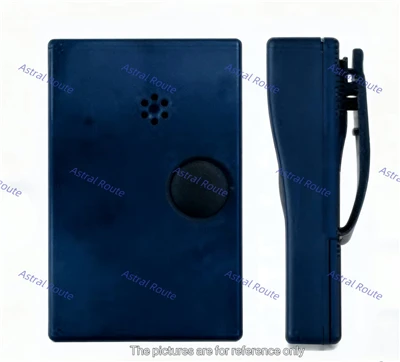
Selecting radiation detection equipment for nuclear applications is not simply a purchasing decision. It directly affects worker safety, radiation protection procedures, regulatory compliance, and the reliability of daily operations.
Nuclear power plants, research laboratories, radioactive material handling facilities, and nuclear maintenance contractors all face different radiation hazards. Yet many organizations make the same purchasing mistake: choosing monitoring instruments based primarily on price or basic measurement specifications without fully considering their actual working environments.
A gamma-only dosimeter, for example, may not provide adequate protection in an environment where neutron radiation is also present. Similarly, a personal dosimeter cannot replace a surface contamination monitor when radioactive material transfer is a concern.
The right equipment selection process starts with understanding the radiation risks, identifying monitoring requirements, and matching each application with the appropriate detection technology.
1. Identify the Radiation Types Before Purchasing
The first step is determining which types of radiation workers may encounter.
Different nuclear applications involve different radiation fields, and not every instrument can detect every radiation type.
Common radiation hazards include:
Gamma and X-ray radiation
Beta radiation
Neutron radiation
Radioactive surface contamination
Tritium contamination and exposure
For example, gamma radiation monitoring is essential in many nuclear maintenance and radioactive source handling operations. However, neutron monitoring becomes particularly important around certain reactor systems, research reactors, and neutron-producing facilities.
Organizations should therefore avoid assuming that a conventional gamma dosimeter provides complete radiation protection.
Understanding the radiation environment is the foundation of effective equipment selection.
2. Choose Electronic Personal Dosimeters for Real-Time Exposure Monitoring
Workers in nuclear facilities often move between areas with different radiation conditions. Relying exclusively on passive badges can make it difficult to identify changing exposure conditions during an active shift.
Electronic Personal Dosimeters (EPDs) provide real-time dose and dose-rate information, helping workers maintain better awareness of their exposure.
Important purchasing considerations include:
Real-time dose and dose-rate display
Audible, visual, or vibration alarms
Adjustable alarm thresholds
Cumulative dose recording
Data storage and retrieval
Battery operating time
Calibration and measurement accuracy
These functions are particularly useful during reactor maintenance, equipment inspection, radiation-controlled area access, and nuclear outage projects.
For procurement teams, the key question is not simply whether a dosimeter measures radiation, but whether it provides the monitoring and alarm functions required by the facility's radiation protection program.
3. Do Not Overlook Neutron Radiation Detection
Neutron radiation presents a particular challenge because conventional gamma-only instruments cannot adequately monitor neutron exposure.
This matters in environments such as nuclear reactors, neutron research laboratories, and certain nuclear material handling operations.
When evaluating neutron dosimeters, buyers should examine:
Neutron energy response
Measurement range
Dose and dose-rate capabilities
Gamma and neutron discrimination
Alarm configuration
Calibration suitability
For facilities where both neutron and gamma radiation are present, a combined monitoring solution may be more appropriate than relying on separate gamma-only instruments.
Astral Route offers radiation dosimetry solutions designed for mixed neutron and gamma radiation environments, supporting applications where broader radiation coverage is required.
4. Consider Contamination Monitoring Separately
External radiation exposure is only one part of nuclear radiation safety.
Radioactive material can also accumulate on workers' clothing, gloves, tools, equipment, and working surfaces.
This creates contamination risks that personal dosimeters cannot identify on their own.
Surface contamination monitors are therefore important for:
Nuclear maintenance areas
Radioactive material handling facilities
Decommissioning projects
Research laboratories
Nuclear medicine facilities
When purchasing contamination monitoring equipment, consider the radionuclides involved, detector sensitivity, measurement units, probe configuration, and required monitoring procedures.
The instrument must be suitable for the specific contamination assessment task rather than selected solely because it is marketed as a general radiation detector.
5. Select Specialized Equipment for Tritium Applications
Tritium requires particular attention because its low-energy beta radiation presents detection challenges.
Facilities handling tritium may need specialized monitoring instruments to assess contamination or airborne tritium, depending on the application.
A portable tritium monitor can support monitoring activities in relevant nuclear facilities, laboratories, and radioactive material handling environments.
Before purchasing, buyers should clarify whether they need to monitor airborne tritium, surface contamination, or another specific form of tritium-related hazard.
These applications may require different measurement techniques and detector configurations.
6. Evaluate Accuracy, Calibration, and Long-Term Reliability
Even advanced radiation detection equipment cannot support reliable safety decisions if its measurement performance is uncertain.
Before placing an order, procurement teams should check:
Measurement accuracy and operating range
Calibration requirements and traceability
Detector stability
Environmental operating conditions
Battery and charging performance
Maintenance and technical support
Availability of replacement components
Calibration documentation is particularly important when equipment will be used in regulated nuclear environments.
Buyers should also consider the total cost of ownership rather than focusing exclusively on the initial purchase price.
An inexpensive instrument that requires frequent maintenance or cannot meet site requirements may ultimately create greater operational costs.
7. Match Equipment to the Actual Nuclear Application
Different facilities require different combinations of monitoring equipment.
Typical purchasing considerations include:
Nuclear power plants: Electronic personal dosimeters, neutron dosimeters where neutron exposure is relevant, and area monitoring instruments.
Nuclear maintenance and outages: Personal dosimeters, portable survey meters, and contamination monitors.
Research laboratories: Application-specific gamma, neutron, and contamination monitoring instruments.
Radioactive material handling: Personal dosimeters, portable radiation detectors, and contamination monitoring equipment.
Nuclear medicine facilities: Personal dosimetry and suitable contamination monitoring instruments.
There is no universal instrument that covers every nuclear radiation hazard. A properly configured monitoring program should combine complementary devices based on the facility's radiation assessment.
8. Why Buyers Should Evaluate Suppliers Carefully
For international procurement teams, selecting the right supplier is just as important as selecting the instrument.
Before purchasing, request detailed product specifications, calibration information, available configurations, operating manuals, and relevant compliance documentation.
It is also worth confirming whether the supplier can support different monitoring requirements rather than offering only one standard configuration.
Astral Route provides radiation detection solutions covering electronic personal dosimeters, neutron dosimeters, surface contamination monitors, portable tritium monitors, and related radiation monitoring equipment.
The product range supports different requirements across nuclear facilities, industrial inspection, research, and radioactive material applications.
Buyers can share their application, radiation types, measurement range, and monitoring requirements to identify suitable equipment options before requesting a quotation.
See detailed solutions here: https://www.astralroutetech.com/radiation-dosimeter/
FAQ
What radiation detection equipment is essential for nuclear facilities?
Requirements depend on the radiation hazards present. Common equipment includes electronic personal dosimeters, neutron dosimeters, portable survey meters, contamination monitors, and specialized tritium monitoring instruments.
Can one dosimeter detect both neutron and gamma radiation?
Some specialized dosimeters are designed for combined neutron and gamma monitoring. Buyers should verify the detector capabilities and measurement ranges before purchasing.
Why are electronic personal dosimeters preferred for nuclear maintenance?
They provide real-time dose information and alarm functions, helping workers respond to changing radiation conditions during maintenance activities.
What is the difference between a radiation survey meter and a contamination monitor?
A survey meter measures radiation fields, while a contamination monitor is designed to identify radioactive material deposited on surfaces or other objects. They serve different purposes.
What should buyers request before purchasing radiation detection equipment?
Request technical specifications, measurement ranges, calibration information, applicable compliance documentation, operating conditions, and available configuration options.
Final Thoughts
Choosing the right radiation detection equipment requires more than comparing product specifications. Nuclear facilities must consider radiation types, working conditions, monitoring objectives, calibration requirements, and long-term equipment reliability.
A well-matched combination of personal dosimeters, neutron detectors, contamination monitors, and specialized radiation instruments can provide more comprehensive protection than relying on a single device.
For procurement managers, radiation safety officers, and nuclear maintenance contractors, defining the application requirements before purchasing is the most effective way to avoid unsuitable equipment and unnecessary costs.
Astral Route welcomes inquiries from international buyers seeking radiation monitoring solutions for nuclear and industrial applications. Share your technical requirements and intended use, and our team can help identify suitable equipment for your project.