Eastern Europe's nuclear industry is facing a demanding combination of challenges. Aging reactor infrastructure, extended maintenance schedules, radioactive waste management, and increasingly strict safety expectations are putting pressure on nuclear operators and radiation protection teams.
For many facilities, the challenge is not simply maintaining reactor safety. It is ensuring that every maintenance worker, inspection contractor, and technical specialist operates with reliable radiation monitoring equipment.
During reactor maintenance, fuel handling, decommissioning, and radioactive material management, radiation exposure risks can change significantly from one work area to another. Outdated dosimeters, limited monitoring capabilities, and delayed exposure reporting can create problems that affect both worker protection and operational efficiency.
As nuclear operators across Eastern Europe continue investing in safety improvements and long-term facility management, modern radiation detection equipment is becoming an important part of their operational requirements.
1. Aging Nuclear Infrastructure Creates New Radiation Protection Challenges
Several Eastern European countries operate nuclear facilities with reactor designs dating back decades. Although many facilities have undergone modernization and safety upgrades, aging infrastructure still creates demanding maintenance and inspection requirements.
Equipment replacement, pipe inspection, reactor component maintenance, and radioactive material handling can expose workers to different radiation fields.
The challenges are particularly relevant in:
Nuclear power plant maintenance and outages
Reactor component inspection
Spent fuel storage facilities
Radioactive waste processing
Nuclear facility decommissioning
Radiation-controlled maintenance areas
Lithuania's Ignalina Nuclear Power Plant provides a clear example of the long-term monitoring requirements associated with decommissioning.
Its activities include dismantling, decontamination, and radioactive waste management, all requiring systematic radiation protection and monitoring.
For facility operators, reliable monitoring equipment is essential throughout these activities, not just during normal reactor operation.
2. Why Real-Time Personal Dosimetry Matters
One of the biggest challenges in nuclear maintenance is controlling individual worker exposure across different tasks and radiation environments.
Traditional passive dosimeters, including TLD and OSL badges, remain important for official occupational dose assessment. However, they do not provide immediate feedback during an ongoing operation.
Electronic Personal Dosimeters (EPDs) offer an additional layer of protection by providing:
Real-time cumulative dose monitoring
Dose-rate measurement
Audible and visual alarms
Immediate exposure warnings
Electronic exposure records
For maintenance contractors working inside controlled areas, these functions help improve situational awareness and support timely protective decisions.
They are particularly valuable during reactor outages, when multiple contractors may work simultaneously in different radiation-controlled zones.
3. Neutron Radiation: A Risk That Standard Gamma Dosimeters May Miss
Nuclear facilities involve more than gamma radiation.
Neutron radiation can be present around certain reactor systems, research facilities, and specialized nuclear applications. Its biological effectiveness differs from that of gamma radiation, and its measurement requires suitable neutron-sensitive instrumentation.
A conventional gamma-only dosimeter cannot provide a complete assessment of neutron exposure.
This is an important equipment-selection issue for nuclear operators and radiation protection officers.
Depending on the radiation field, organizations may require:
Neutron personal dosimeters
Gamma radiation dosimeters
Combined neutron and gamma monitoring devices
Specialized radiation survey instruments
For facilities operating in mixed radiation fields, selecting equipment based on the actual radiation characteristics is essential.
4. Decommissioning and Radioactive Waste Management Require Better Monitoring
Nuclear decommissioning creates radiation protection challenges that can continue for decades after a reactor stops generating electricity.
Workers may need to dismantle contaminated equipment, remove radioactive materials, inspect storage facilities, and manage waste generated during dismantling operations.
These activities require several complementary monitoring methods.
Personal dosimeters help track occupational exposure, while surface contamination monitors identify radioactive material deposited on equipment, clothing, and working surfaces.
Portable radiation survey meters provide additional information about radiation levels in work areas.
Without appropriate monitoring, contamination can spread beyond controlled areas, creating additional cleanup work and potentially delaying maintenance or dismantling activities.
5. Regulatory Compliance and Equipment Reliability
Nuclear operators across Eastern Europe must comply with national radiation protection regulations and applicable European and international safety requirements.
Under the European radiation protection framework, occupational exposure monitoring, dose limitation, and appropriate workplace protection measures are essential.
For equipment purchasers, compliance is not simply about purchasing a device with an attractive specification sheet.
Important considerations include:
Measurement accuracy
Calibration traceability
Detector suitability
Alarm reliability
Data recording capabilities
Operating environment
Manufacturer documentation
Maintenance and technical support
Older monitoring instruments can become difficult to maintain as spare parts and manufacturer support become less available.
Replacing outdated equipment before it affects operational readiness is often a more practical approach than waiting for a calibration or equipment failure.
6. Which Radiation Detection Equipment Do Nuclear Facilities Need?
The appropriate monitoring configuration depends on the facility, radionuclides present, radiation fields, and specific work activities.
Common equipment categories include:
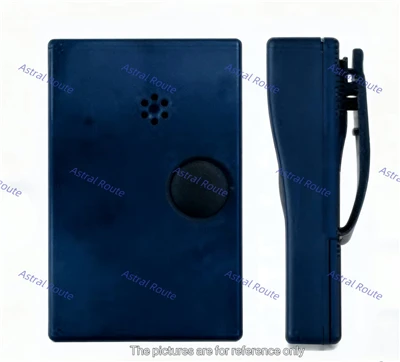
Electronic Personal Dosimeters
For monitoring individual gamma or other specified radiation exposure in real time, with configurable alarm functions where supported.
Neutron Dosimeters
For applications where neutron exposure is possible and requires dedicated measurement.
Portable Radiation Survey Meters
For measuring ambient radiation levels, checking controlled areas, and supporting radiation surveys.
Surface Contamination Monitors
For identifying radioactive contamination on workers, tools, equipment, and working surfaces.
Portable Tritium Monitors
For specialized applications involving tritium monitoring, including relevant nuclear and radioactive material handling environments.
Rather than purchasing instruments based solely on general specifications, nuclear facilities should match detector types and measurement ranges to their actual operational requirements.
7. What Nuclear Equipment Buyers Should Evaluate Before Purchasing
For procurement managers, radiation protection officers, and nuclear maintenance contractors, equipment selection involves more than initial purchase price.
A suitable supplier should be able to clarify:
Which radiation types can the instrument detect?
What are its measurement ranges and accuracy specifications?
Does it provide real-time alarms?
Can measurement data be stored or transferred?
What calibration documentation is available?
Is the instrument suitable for the intended working environment?
Are customized configurations available?
These questions are particularly important when replacing legacy monitoring equipment or standardizing instruments across several maintenance teams.
8. Radiation Monitoring Solutions for Eastern European Nuclear Applications
As nuclear facilities continue upgrading radiation protection programs, demand for reliable monitoring equipment extends beyond conventional gamma dosimetry.
Astral Route provides a range of radiation detection solutions for industrial and nuclear applications, including electronic personal radiation dosimeters, neutron dosimeters, surface contamination monitors, portable tritium monitors, and other radiation monitoring equipment.
These products can support applications such as nuclear power plant maintenance, radioactive material handling, contamination control, research laboratories, and radiation protection programs.
For Eastern European buyers, Astral Route can discuss equipment configurations according to the intended radiation type, measurement range, operating conditions, and monitoring requirements.
The objective is to help procurement teams identify suitable equipment rather than simply offer a one-size-fits-all product.
See detailed solutions here https://www.astralroutetech.com/radiation-dosimeter/
FAQ
What radiation monitoring equipment is commonly used in nuclear power plants?
Nuclear facilities commonly use personal dosimeters, portable radiation survey meters, area monitors, neutron detectors, and contamination monitoring instruments. The required combination depends on the facility and radiation environment.
Why are neutron dosimeters important in nuclear facilities?
Certain nuclear applications involve neutron radiation, which cannot be adequately assessed using gamma-only dosimeters. Dedicated neutron-sensitive instruments are necessary where neutron exposure is possible.
Are electronic personal dosimeters better than passive badges?
They serve different purposes. Electronic dosimeters provide immediate dose information and alarms, while passive badges are widely used for official cumulative dose assessment. Many radiation protection programs use both.
Why is contamination monitoring necessary during nuclear decommissioning?
Dismantling and waste management activities may involve radioactive materials deposited on equipment and surfaces. Contamination monitors help identify these materials and prevent their transfer into clean areas.
What should Eastern European buyers check before purchasing radiation detectors?
Buyers should evaluate detector compatibility, measurement range, accuracy, calibration documentation, alarm functions, data management, environmental suitability, and applicable regulatory requirements.
Can Astral Route provide different radiation monitoring solutions?
Yes. Astral Route offers multiple categories of radiation detection equipment, including neutron dosimeters, electronic personal dosimeters, surface contamination monitors, and portable tritium monitors. Buyers can discuss their specific applications and equipment requirements with the company.
Final Thoughts
Nuclear industry radiation safety in Eastern Europe is not a single equipment issue. It involves managing worker exposure, maintaining aging infrastructure, controlling radioactive contamination, and supporting increasingly demanding maintenance and decommissioning activities.
For nuclear operators and contractors, investing in appropriate radiation detection equipment is an important part of maintaining operational readiness and protecting personnel.
Whether the requirement involves neutron monitoring, real-time personal dosimetry, surface contamination detection, or tritium monitoring, selecting the right instrument starts with understanding the actual radiation environment.
Astral Route welcomes inquiries from nuclear facility operators, radiation protection departments, NDT contractors, and industrial equipment distributors in Eastern Europe.
Explore our Radiation Detection Equipment and Dosimetry Solutions or contact our team to discuss your application and request a quotation.