Saudi Arabia's oil and gas industry operates some of the world's most demanding industrial facilities. From large-scale refineries and petrochemical complexes to pipeline networks, offshore installations, and energy infrastructure projects, industrial inspection is essential for maintaining equipment integrity and operational reliability.
Radiographic Testing (RT), nuclear measurement techniques, and other radiation-based applications play an important role in these industries. However, their use also creates a challenge that cannot be ignored: occupational radiation exposure.
For NDT contractors, refinery operators, and industrial maintenance teams, outdated radiation monitoring equipment, delayed exposure records, and insufficient real-time monitoring can create serious safety and compliance concerns.
As Saudi Arabia continues to develop its industrial and energy infrastructure, the need for reliable radiation detection and monitoring equipment is becoming increasingly important.
Why Radiation Monitoring Is Important for Saudi Arabia's Industrial Sector
Saudi Arabia has a substantial industrial base covering oil and gas production, refining, petrochemicals, power generation, and infrastructure development.
These industries frequently require radiation-based inspection and measurement technologies.
Industrial radiography, in particular, is widely used to inspect pipeline welds, pressure vessels, storage tanks, and critical process equipment.
During refinery shutdowns and maintenance campaigns, multiple NDT teams may perform inspections simultaneously. Workers operate in congested areas, often under tight project schedules.
Without reliable radiation monitoring, several problems can arise:
Unexpected radiation exposure during gamma radiography.
Inadequate monitoring of workers' cumulative doses.
Incorrect radiation boundary assessments.
Delays caused by equipment failures or calibration issues.
Difficulties maintaining radiation safety documentation.
For contractors working on major Saudi industrial projects, these are not simply technical concerns. They can affect site access, project schedules, and client confidence.
Stricter Radiation Safety Management Creates Equipment Demand
Saudi Arabia has established a regulatory framework through the Nuclear and Radiological Regulatory Commission (NRRC).
Its radiation safety regulations cover occupational, public, and medical exposure, while applicable requirements address workplace monitoring, individual dose assessment, equipment calibration, and recordkeeping.
The NRRC also provides specific guidance for organizations conducting industrial radiography using X-ray systems and high-activity sealed radioactive sources.
This means that companies working with radiation sources need more than basic detection instruments. They need an appropriate monitoring program supported by reliable, maintained, and calibrated equipment.
For procurement managers and radiation safety officers, equipment selection is therefore closely connected to regulatory compliance and operational risk management.
Industrial Radiography: A Major Application for Radiation Detection Equipment
Industrial radiography remains an important inspection method across Saudi Arabia's oil and gas sector.
Typical applications include:
Pipeline weld inspection
Refinery maintenance and shutdown projects
Pressure vessel inspection
Offshore platform maintenance
Petrochemical plant construction
LNG and gas processing facilities
Gamma radiography involves ionizing radiation, making effective exposure monitoring essential.
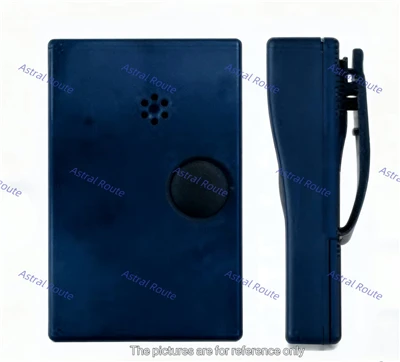
NDT contractors should consider electronic personal dosimeters for real-time individual dose awareness, together with suitable portable radiation survey meters for workplace measurements and radiation boundary control.
Electronic dosimeters with audible, visual, or vibration alarms can help radiographers recognize changing radiation conditions and respond promptly.
For companies managing large inspection teams, digital exposure records can also simplify dose management and internal safety reviews.
Why Older Radiation Monitoring Equipment Is Becoming a Problem
Many industrial contractors continue using radiation detection instruments that have been in service for years.
Although some older devices may remain functional, aging equipment can introduce several operational problems:
Calibration instability
Reduced battery performance
Inconsistent alarm functions
Limited data storage
Difficulties obtaining replacement components
Lack of modern digital communication features
These issues become particularly troublesome during refinery turnarounds, where inspection schedules are compressed and equipment downtime can affect multiple contractors.
Replacing outdated instruments with modern radiation monitoring solutions can improve measurement reliability, operational visibility, and maintenance planning.
Beyond Gamma Radiation: The Importance of Neutron Monitoring
Another consideration for Saudi industrial and nuclear-related applications is neutron radiation.
Conventional gamma-focused dosimeters are not necessarily suitable for measuring neutron exposure.
Neutron monitoring may be relevant in specialized nuclear facilities, research environments, accelerator applications, and other workplaces where neutron sources or mixed radiation fields are present.
Organizations should evaluate their actual radiation environment before selecting monitoring instruments.
For applications involving both neutron and gamma radiation, specialized dosimeters capable of monitoring both radiation types can provide more comprehensive exposure information.
Growing Applications for Contamination and Tritium Monitoring
Saudi Arabia's radiation monitoring requirements extend beyond industrial radiography.
Nuclear medicine, research laboratories, radioactive material handling, and specialized industrial applications can also require dedicated detection equipment.
Two areas deserve particular attention.
Surface Contamination Monitoring
Radioactive contamination can spread through gloves, protective clothing, tools, and equipment. Surface contamination monitors help identify radioactive material on personnel and working surfaces before it spreads into uncontrolled areas.
Tritium Monitoring
Tritium is relevant to specialized nuclear research, laboratory work, and facilities handling tritium-containing materials. Portable tritium monitors can support appropriate workplace monitoring where this radionuclide is present.
These applications create additional opportunities for organizations looking to expand their radiation safety equipment inventory.
What Should Saudi Buyers Consider When Selecting Radiation Monitoring Equipment?
For procurement managers, distributors, NDT contractors, and radiation safety officers, choosing the right instrument requires more than comparing prices.
Important considerations include:
Detection capability: Does the instrument measure gamma, beta, neutron, or other relevant radiation types?
Measurement range: Is the range suitable for the intended application?
Real-time alarms: Can workers receive immediate warnings when configured thresholds are exceeded?
Calibration: Can the supplier provide appropriate calibration documentation and technical information?
Environmental durability: Is the instrument suitable for high temperatures, dust, and demanding industrial conditions?
Data management: Does it support dose storage, data transfer, or network connectivity where required?
Technical support: Can the supplier assist with configuration, documentation, and after-sales requirements?
For Saudi projects, buyers should also verify that the selected equipment meets the applicable NRRC requirements and any additional specifications imposed by the project owner.
Astral Route: Radiation Detection Solutions for Industrial and Nuclear Applications
Astral Route provides a range of radiation detection and monitoring equipment for international industrial and nuclear-related markets.
Our product range includes:
Electronic personal radiation dosimeters
Neutron dosimeters
Gamma radiation monitoring instruments
Surface contamination monitors
Portable tritium monitors
Specialized radiation detection solutions
These products address different monitoring requirements, from individual occupational exposure tracking to contamination assessment and specialized radionuclide detection.
For Saudi Arabian customers, Astral Route can help identify suitable equipment configurations based on the intended application, radiation type, measurement requirements, and project conditions.
Whether you are an NDT contractor preparing for a refinery shutdown, an industrial distributor expanding your radiation safety portfolio, or a procurement team sourcing monitoring instruments for a specialized facility, selecting the right equipment is an important step toward reliable radiation protection.
See customized solutions here https://www.astralroutetech.com/radiation-dosimeter/
FAQ
1. Why is radiation monitoring important in Saudi Arabia's oil and gas industry?
Industrial radiography is widely used for pipeline welds, pressure vessels, and refinery equipment. Radiation monitoring helps protect workers, control exposure, and support applicable safety requirements.
2. What radiation detection equipment do NDT contractors need?
Depending on their operations, contractors may require electronic personal dosimeters, portable radiation survey meters, area radiation monitors, and appropriate supporting safety equipment.
3. Can electronic personal dosimeters monitor exposure in real time?
Yes. Electronic personal dosimeters can display cumulative dose and dose rate, with configurable alarms available on suitable models.
4. Is neutron detection necessary for every industrial application?
No. Neutron monitoring is required only where the radiation environment and exposure assessment indicate a potential neutron hazard. Standard gamma monitoring alone may not be sufficient in mixed radiation fields.
5. Does Astral Route supply contamination and tritium monitoring equipment?
Yes. Astral Route's radiation detection portfolio includes surface contamination monitors and portable tritium monitors for specialized monitoring applications.
6. Can Saudi Arabian buyers request customized radiation monitoring solutions?
Yes. Buyers can discuss their application, required radiation detection capabilities, measurement ranges, and technical specifications with Astral Route to identify suitable product configurations.
Final Thoughts
Saudi Arabia's industrial development creates diverse requirements for radiation detection and occupational exposure management. From pipeline radiography and refinery shutdowns to specialized nuclear and medical applications, reliable monitoring equipment is an important part of maintaining safe operations.
For industrial operators and NDT contractors, investing in appropriate radiation monitoring technology can help address aging equipment, improve exposure awareness, and strengthen compliance management.
If your organization is sourcing electronic personal dosimeters, neutron detectors, contamination monitors, or portable tritium monitoring equipment for projects in Saudi Arabia, Astral Route welcomes your inquiries. Contact our team to discuss your technical requirements and request a suitable equipment quotation.