When a radiological emergency occurs, response teams rarely have the luxury of waiting for a complete picture of the situation. A damaged industrial source, a transport accident involving radioactive materials, a suspected contamination event, or an incident at a nuclear facility can require rapid decisions about evacuation, access control, worker protection, and environmental assessment.
The challenge is not simply detecting radiation. It is determining where the hazard exists, how it may affect responders, and what protective measures are needed-all while information is still incomplete.
Without suitable radiation monitoring equipment, emergency teams may face unnecessary exposure risks, delayed operations, and difficulty establishing reliable safety boundaries. For emergency management agencies, industrial operators, and specialist response contractors, mobile radiation monitoring is an important part of preparedness.
Why Radiation Detection Is Critical During Disaster Response
During an emergency, radiation conditions may vary considerably between locations. A safe-looking area may be close to a contaminated object, while a suspected hazard zone may contain little or no abnormal radiation.
Visual inspections alone cannot establish whether an area is radiologically safe.
Emergency responders need instruments that help them assess radiation levels, monitor individual exposure, and identify potential radioactive contamination.
The U.S. Environmental Protection Agency's radiological response teams use different types of field instruments for these tasks, including alpha, beta, gamma, and neutron detectors, dose-rate meters, and environmental sampling equipment. EPA
For buyers, the key consideration is whether the proposed equipment matches the actual emergency scenarios their teams may encounter.
What Does Mobile Radiation Monitoring Mean?
Mobile radiation monitoring refers to taking radiation detection capabilities directly to the incident location rather than relying exclusively on fixed monitoring stations.
Depending on the response plan, this may involve handheld survey meters, wearable electronic dosimeters, portable contamination monitors, or specialized monitoring systems deployed on vehicles.
These instruments serve different purposes.
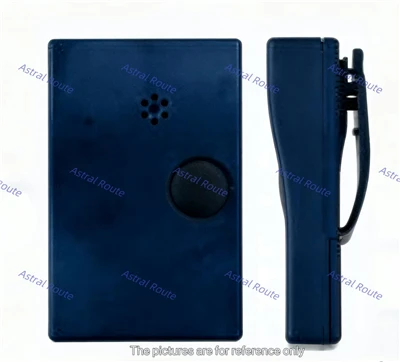
Personal dosimeters help track radiation exposure received by individual responders.
Portable radiation survey meters measure radiation levels in the surrounding environment.
Surface contamination monitors help identify radioactive material deposited on people, equipment, or surfaces.
Specialized detectors, including neutron or tritium monitors, support scenarios involving particular radiation types or radionuclides.
No single instrument can address every radiation hazard. Selecting the right combination is therefore more important than purchasing a device based on its general description alone. U.S. Department of Health and Human Services
Protecting Emergency Responders in Uncertain Conditions
Firefighters, rescue personnel, hazardous-materials teams, medical responders, and technical specialists may need to operate near a suspected radiological hazard.
Their first challenge is understanding the conditions around them without creating unnecessary exposure.
Electronic personal dosimeters can provide real-time dose information and, where equipped, audible or visual alarms. These features help responders recognize when predefined dose or dose-rate thresholds have been reached.
Portable survey meters serve a different purpose: they help trained personnel assess radiation levels and support decisions about controlled areas and safe working distances.
The U.S. Occupational Safety and Health Administration emphasizes the importance of monitoring emergency workers and using appropriate instruments with clear alarms where available. Responders also need training on what actions to take when an alarm activates. OSHA
For procurement teams, this means evaluating not just detection performance but also alarm usability, readability, battery endurance, calibration status, and suitability for field deployment.
Why Contamination Monitoring Matters After an Incident
Radiation exposure and radioactive contamination are not the same.
A responder may be exposed to radiation from an external source without radioactive material being deposited on their clothing. Conversely, radioactive material may contaminate gloves, footwear, tools, or protective equipment.
This distinction matters during rescue operations, casualty handling, debris removal, and site recovery.
A suitable surface contamination monitor can help trained teams check potentially affected people, equipment, and work areas. Early identification helps prevent radioactive material from spreading into clean zones or transport vehicles.
However, contamination monitoring must be matched to the radionuclides involved. Not every instrument can reliably detect every type of radioactive material, so detector specifications and response procedures need to be reviewed before deployment.
When Specialized Radiation Detectors Are Needed
Some incidents require capabilities beyond general gamma radiation monitoring.
Neutron radiation monitoring may be relevant to specific nuclear or research-related scenarios. Tritium monitoring may be needed when an incident involves tritium-bearing materials or contaminated systems.
These are specialized applications, not universal requirements for every disaster response team.
Before purchasing equipment, organizations should identify the radioactive materials of concern, the likely radiation types, the required measurement ranges, and whether they need dose-rate measurement, personal dosimetry, contamination assessment, or radionuclide-specific monitoring.
This application-led approach helps avoid buying instruments that appear versatile but cannot perform the required measurement reliably.
What Buyers Should Evaluate Before Procurement
For emergency management agencies and industrial response teams, equipment selection should reflect the conditions in which the instruments will actually be used.
Important considerations include:
Portability: Can responders carry and deploy the equipment quickly?
Measurement capability: Does the instrument detect the radiation types and ranges relevant to the response plan?
Alarm functions: Can users recognize abnormal readings promptly?
Battery performance: Can the equipment support the expected operating period?
Environmental suitability: Is it appropriate for the expected temperature, humidity, dust, and handling conditions?
Calibration and support: Can the supplier provide the required calibration documentation, maintenance information, and technical assistance?
Training requirements: Can intended users operate the equipment and interpret its readings correctly?
Procurement teams should also consider spare instruments, charging arrangements, calibration schedules, and procedures for recording measurements during extended incidents.
Supporting Disaster Preparedness With Astral Route
Emergency preparedness depends on having suitable monitoring equipment available before an incident occurs.
Astral Route supplies radiation detection equipment for industrial and radiation-safety applications, including electronic personal dosimeters, neutron dosimeters, surface contamination monitors, and portable tritium monitors.
These product categories can support different monitoring requirements, depending on the incident, detector specifications, and operational procedures. Buyers planning a mobile response capability can use Astral Route's radiation detection equipment range as a starting point for evaluating suitable instruments.
For organizations building or updating an emergency equipment inventory, the next step is to define the anticipated hazards and confirm that each proposed instrument meets the relevant technical requirements.
See customized solutions here https://www.astralroutetech.com/radiation-dosimeter/
FAQ
What equipment is needed for mobile radiation monitoring?
Requirements depend on the incident. A response team may need personal dosimeters, portable survey meters, contamination monitors, or specialized detectors for neutron radiation or particular radionuclides.
Why are electronic personal dosimeters useful during emergencies?
They provide immediate information about a responder's accumulated dose and may offer dose-rate readings and alarms, depending on the model.
Can one radiation detector identify every radioactive hazard?
No. Different instruments have different detection capabilities. Equipment should be selected according to the radiation types, radionuclides, and measurements required.
Why is contamination monitoring important?
It helps identify radioactive material on people, equipment, and surfaces, reducing the risk of transferring contamination into clean areas.
What should procurement teams prioritize?
Start with the incident scenarios, required measurement capabilities, portability, alarm functions, operating conditions, calibration, maintenance, and user training.
Preparing Before the Next Emergency
During a radiological emergency, delayed information can complicate decisions that already carry significant consequences. Mobile radiation monitoring gives trained response teams practical tools for assessing hazards, tracking personnel exposure, and identifying contamination.
For buyers, the priority is not simply acquiring more detectors. It is building a reliable equipment combination that fits the expected hazards, can be deployed when needed, and is supported by appropriate training and maintenance.
Organizations evaluating radiation monitoring equipment can contact Astral Route to discuss their intended applications and identify suitable instruments for their emergency preparedness requirements.