When an emergency call comes in, first responders rarely have the luxury of knowing exactly what they will encounter. A damaged industrial facility, a suspected radioactive source, a transport accident involving hazardous materials, or an unexplained radiation alarm can turn an ordinary response into a potentially hazardous operation.
For firefighters, hazardous materials (HAZMAT) teams, police, emergency medical personnel, and civil protection agencies, the challenge is not simply reaching the incident quickly. It is understanding the radiation risks before those risks compromise the people responding.
Without appropriate monitoring equipment, responders may enter an area without knowing whether radiation levels are elevated, whether exposure is increasing, or whether radioactive contamination is present. The consequences can extend beyond individual safety to incident escalation, operational delays, and complicated post-incident investigations.
This is why first responder radiation safety solutions are an important consideration for emergency services, government procurement teams, industrial emergency response units, and specialist safety equipment distributors.
Why Radiation Emergencies Demand a Different Approach
Radiological incidents differ from many conventional emergencies because radiation cannot be detected reliably through human senses.
A scene may appear normal while an uncontrolled radioactive source is present. Conversely, an alarm or suspected contamination event does not automatically mean that everyone nearby faces the same level of risk.
First responders must make decisions with incomplete information. They need to establish whether radiation is present, assess changing conditions, monitor their own exposure, and determine when specialist radiation protection personnel are required.
Common scenarios include:
Suspected radioactive sources discovered in public areas or industrial facilities
Transport accidents involving radioactive materials
Fires or structural damage at facilities that use radioactive sources
Industrial accidents involving radiation-producing equipment
Nuclear facility emergencies and abnormal radiation alarms
Suspected radioactive contamination following an uncontrolled release
Each scenario requires a risk assessment and an appropriate response plan. The right monitoring equipment helps teams gather essential information before committing personnel to potentially hazardous areas.
Real-Time Personal Dosimetry: Know When Exposure Is Increasing
One of the most important challenges in radiation response is monitoring the dose received by individual responders.
Traditional passive dosimeters provide valuable records of accumulated exposure, but they generally do not provide immediate alarms during an incident. When personnel must make rapid decisions, delayed information may not be enough.
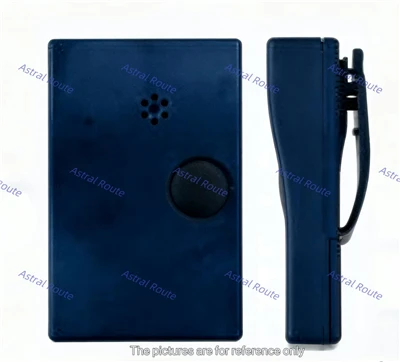
Electronic personal dosimeters can display accumulated dose and, depending on the model, dose rate. Alarm-equipped devices can alert the wearer when predefined thresholds are reached.
These capabilities help responders and incident commanders:
Track individual exposure during an operation
Recognize changing radiation conditions
Apply predefined withdrawal or reassessment thresholds
Support exposure records and post-incident reviews
An alarm is not a substitute for incident command procedures. Responders must understand what each alarm means and follow their established instructions for stopping work, withdrawing, and reporting the situation.
For emergency agencies evaluating new equipment, electronic personal dosimeters with clear displays, audible or visual alarms, reliable battery performance, and straightforward operation are worth considering.
Portable Radiation Survey Meters for Initial Scene Assessment
Personal dosimeters and survey meters serve different purposes.
A personal dosimeter monitors the exposure of the person wearing it. A portable radiation survey meter measures radiation levels at the instrument's location, helping trained personnel assess the environment.
During an initial response, a suitable survey meter can help trained teams investigate radiation alarms, assess dose rates, and establish information needed for controlled-area decisions.
For procurement managers, important selection criteria include the radiation types and energy ranges the instrument can measure, its measurement range, alarm capabilities, environmental suitability, calibration requirements, and ease of use under emergency conditions.
No single survey meter is suitable for every radiological scenario. Instrument selection should reflect the anticipated hazards and the procedures used by the responding organization.
Gamma Radiation Is Not the Only Consideration
Another potential gap in emergency preparedness is assuming that all radiation monitoring devices detect the same types of radiation.
Gamma and X-ray monitoring is important in many emergency scenarios, but neutron radiation may also be relevant in certain specialized environments, including some nuclear facilities and accelerator operations.
A gamma-only instrument cannot automatically be assumed to provide adequate neutron monitoring.
Where the hazard assessment identifies a potential neutron exposure risk, responders may need appropriately specified neutron-sensitive instruments or personal dosimeters.
Astral Route's radiation monitoring range includes neutron and gamma dosimetry options intended for relevant radiation protection applications. Buyers should verify detector capabilities, measurement ranges, alarm functions, and applicable certifications against their operational requirements before purchasing.
Contamination Monitoring: A Separate Safety Requirement
Measuring external radiation levels does not establish whether radioactive material has contaminated a person's clothing, equipment, or skin.
This distinction matters after incidents involving suspected radioactive material releases, damaged containers, or contaminated equipment.
Surface contamination monitors can help trained personnel assess suspected contamination on appropriate surfaces and items. Where required, dedicated personnel monitoring procedures and suitable instruments can also be used to check responders before they leave controlled areas.
Effective contamination control helps prevent radioactive material from being transferred to vehicles, medical facilities, equipment stores, and other clean areas.
Astral Route offers surface contamination monitoring solutions for applications where this type of detection is required. Instrument selection should account for the radionuclides involved, the detector's response characteristics, and the monitoring procedure being used.
Equipment Selection for Emergency Services
Emergency agencies often need to equip multiple teams with different responsibilities. A firefighter conducting an initial assessment, a HAZMAT specialist investigating a suspected source, and a radiation protection expert supporting a complex incident may require different instruments.
Before issuing a purchase order, procurement teams should consider five practical questions:
1. What hazards must the equipment detect?
Define whether the expected scenarios involve gamma radiation, neutrons, surface contamination, tritium, or other specific hazards.
2. Does the device provide real-time information?
Confirm whether the instrument displays dose, dose rate, contamination measurements, or other required information, and whether alarms are available.
3. Can responders operate it under pressure?
A readable display, intuitive controls, clear alarms, and practical training requirements matter when personnel are working in protective equipment or adverse conditions.
4. Is the equipment suitable for field deployment?
Assess battery life, durability, ingress protection, operating temperature, calibration support, and maintenance requirements.
5. Can the supplier support the complete procurement process?
Request technical documentation, applicable certificates, manuals, warranty details, spare-parts information, and confirmation of product availability.
A low purchase price may be attractive, but equipment that does not match the intended hazard can leave a critical capability gap.
Supporting Emergency Preparedness With Astral Route
Astral Route supplies radiation detection equipment for organizations that need to monitor different radiation hazards across industrial and specialist applications.
Its product range includes electronic personal radiation dosimeters, neutron dosimeters, surface contamination monitors, and portable tritium monitors. Depending on the incident profile, these products may support different parts of an emergency response or radiation protection program.
For government procurement departments, emergency equipment distributors, HAZMAT contractors, and industrial safety managers, the practical starting point is to define the expected incident scenarios and required detection capabilities.
Astral Route can be approached to discuss the intended application, relevant product configurations, and technical documentation needed for equipment evaluation.
The objective is to select a suitable combination of instruments-not to assume that one device can detect every radiation hazard.
FAQ
What radiation detection equipment do first responders need?
Requirements depend on the incident profile and the responder's role. Common equipment may include alarm-equipped electronic personal dosimeters, portable radiation survey meters, and suitable contamination monitoring instruments.
What is the difference between a personal dosimeter and a survey meter?
A personal dosimeter monitors an individual's radiation exposure. A survey meter measures radiation levels in the surrounding environment. They provide complementary information and are not interchangeable.
Why are alarm-equipped electronic dosimeters useful in emergencies?
They can alert responders when predefined dose or dose-rate thresholds are reached, supporting timely action under established response procedures.
Do first responders need neutron detectors?
Not in every incident. Neutron detection is relevant when the hazard assessment identifies a potential neutron radiation field. The required instrument must be suitable for that specific hazard.
Can a radiation survey meter detect radioactive contamination?
Some instruments can be configured for particular contamination monitoring applications, but not every survey meter is suitable for every radionuclide or contamination measurement. The detector and probe must match the intended task.
What should buyers request from a radiation equipment supplier?
Buyers should request technical specifications, detector capabilities, measurement ranges, calibration information, relevant certifications, operating manuals, warranty terms, and details of after-sales support.
Prepare Before the Emergency Happens
Radiation emergencies leave little room for uncertainty. First responders need reliable information about their own exposure and the radiation conditions around them, supported by clear operating procedures, appropriate training, and coordinated incident management.
For agencies and organizations reviewing their emergency response capabilities, selecting the right combination of personal dosimeters, survey meters, and contamination monitoring equipment is a practical step toward improving preparedness.
Explore Astral Route's radiation detection range at https://www.astralroutetech.com/radiation-dosimeter/ or contact the team to discuss your application and equipment requirements.