For non-destructive testing (NDT) contractors, radiation monitoring equipment is not simply another item on the procurement list. It directly affects worker protection, site access, inspection schedules, and the ability to meet client safety requirements.
During pipeline radiography, refinery shutdowns, and offshore inspections, RT teams often work under tight deadlines. An overdue calibration certificate, an unreliable dosimeter, or a survey meter that is unsuitable for the radiation field can create serious problems. Work may be delayed while replacement equipment is sourced, and inaccurate measurements can undermine safety decisions.
The challenge for buyers is choosing equipment that matches the actual radiation hazards-not simply selecting the lowest-priced instrument or purchasing a single meter for every application.
For NDT contractors, oil and gas operators, and industrial inspection companies, a well-planned radiation monitoring system should address three priorities: reliable measurements, practical field operation, and documented radiation protection.
1. Start With the Radiation Risks at Your Worksite
Before comparing products, identify the radiation hazards associated with your operations.
Industrial radiography commonly uses X-ray equipment or gamma-emitting radioactive sources to inspect welds, pipelines, and pressure-containing equipment. These activities create potential external radiation exposure risks that must be managed through appropriate procedures and monitoring.
However, not every radiation monitoring instrument measures the same thing.
A purchasing team should first determine whether it needs to monitor individual worker exposure, measure radiation levels around a work area, detect radioactive contamination, or assess a specialized radiation hazard.
Choosing equipment based only on a general label such as "radiation detector" can result in an instrument that does not perform the required task.
2. Electronic Personal Dosimeters: Real-Time Exposure Awareness
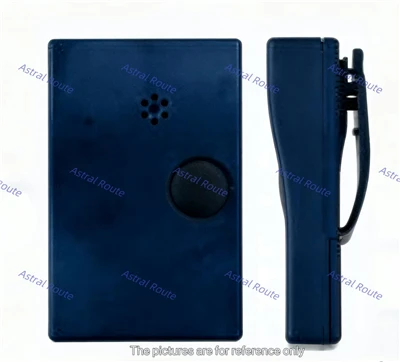
For RT operators working around active radiographic equipment, electronic personal dosimeters (EPDs) provide immediate information about individual radiation exposure.
Unlike passive badges, which generally provide dose results after processing, electronic dosimeters display dose information during the work period. Depending on the model, they may also provide dose-rate readings and audible, visual, or vibration alarms.
These features are particularly useful during:
Pipeline weld inspections at remote sites
Refinery shutdown and turnaround projects
Offshore platform maintenance
Night-shift radiography
Industrial inspection involving multiple work teams
For buyers, important selection criteria include dose and dose-rate ranges, alarm thresholds, display readability, battery life, durability, calibration arrangements, and data-recording capabilities.
An electronic dosimeter should supplement-not replace-required personal dosimetry, radiation surveys, source-control procedures, and other protective measures.
3. Portable Radiation Survey Meters: Control the Work Area
Personal dosimeters monitor individual exposure. Portable radiation survey meters serve a different purpose: measuring radiation levels in the surrounding environment.
RT teams use suitable survey meters to assess radiation fields, check controlled-area boundaries, and verify radiation conditions during source-related operations.
For contractors operating across different sites, portability and ease of use are important. A clear display, appropriate measurement range, dependable battery performance, and suitable environmental protection can make a significant difference during field deployment.
Buyers should also confirm that the instrument is appropriate for the radiation type and energy involved, and that its measurement range covers the expected conditions.
Calibration and functional checks are essential. A meter that powers on is not necessarily a meter that can provide reliable readings.
4. Surface Contamination Monitors: Address a Different Safety Risk
Not every radiation safety problem involves an external radiation field.
Where radioactive material may be deposited on personnel, tools, equipment, or work surfaces, a suitable surface contamination monitor may be necessary.
These instruments are relevant to certain nuclear maintenance activities, radioactive material handling operations, research facilities, and other environments where contamination is a credible hazard.
Contamination monitoring should not be confused with ordinary dose-rate measurement. The detector must be appropriate for the radionuclides and contamination types involved.
For buyers, the key questions are whether the instrument can detect the relevant radiation, whether its sensitivity meets the application requirements, and whether its design supports the intended field or workplace procedure.
5. Specialized Requirements: Neutron and Tritium Monitoring
Some applications require monitoring beyond conventional gamma and X-ray radiation.
A personal neutron dosimeter is intended for environments where neutron exposure is possible. Standard gamma dosimetry should not automatically be assumed to provide adequate neutron dose assessment.
Tritium requires special consideration because it emits low-energy beta radiation. Conventional handheld gamma survey meters are generally unsuitable for detecting tritium effectively. Buyers should select a dedicated tritium monitoring solution appropriate to the actual application, such as workplace air monitoring or another specified tritium measurement task.
These specialized instruments may be relevant to certain nuclear, research, isotope-handling, and other radiation-related operations. They should be purchased according to a defined hazard assessment rather than added to an NDT equipment package without a clear use case.
6. Calibration, Documentation, and Long-Term Costs
One of the most expensive purchasing mistakes is evaluating equipment only by its initial price.
An instrument that is difficult to calibrate, repair, or maintain can create additional costs over its service life. Missing documentation can also complicate client audits and site mobilization.
Before placing an order, confirm:
Calibration and verification requirements
Availability of relevant certificates and technical documentation
Battery and spare-part availability
Maintenance and repair arrangements
Operating instructions and training requirements
Data export and recordkeeping capabilities, where needed
Calibration intervals should follow applicable regulations, manufacturer recommendations, and the organization's radiation protection program. Requirements differ by instrument and jurisdiction.
For contractors handling multiple projects, planning calibration and replacement coverage in advance can help prevent avoidable interruptions.
7. How to Build a Practical Monitoring Package
A sensible purchasing strategy starts with the tasks each instrument must perform.
For a typical industrial radiography contractor, the equipment assessment may include electronic personal dosimeters for worker exposure monitoring and portable survey meters for radiation field measurements.
Surface contamination monitors, neutron dosimeters, tritium monitors, and fixed area monitoring systems can be added when the worksite's hazards and monitoring objectives justify them.
This approach avoids two common mistakes: buying equipment that cannot meet the required task, and spending money on specialized instruments that the operation does not need.
The right combination depends on the radiation sources, working environment, applicable requirements, and site-specific safety procedures.
Radiation Monitoring Solutions From Astral Route
Astral Route supplies radiation detection equipment for industrial and specialized monitoring applications. Its product range includes electronic personal radiation dosimeters, personal neutron dosimeters, surface contamination monitors, and portable tritium monitors.
For NDT contractors and industrial buyers, the practical objective is to match each instrument to a clearly defined monitoring requirement.
When evaluating options, buyers should consider technical suitability, calibration documentation, operating conditions, and long-term support alongside the purchase price.
Explore the product range: https://www.astralroutetech.com/radiation-dosimeter/
FAQ
What radiation monitoring equipment does an NDT contractor need?
Requirements depend on the work performed. Industrial radiography programs commonly use personal dosimetry and appropriate radiation survey meters. Additional instruments may be needed for area monitoring, contamination control, or specialized radiation hazards.
Are electronic personal dosimeters better than passive badges?
They serve different purposes. Electronic dosimeters provide immediate dose information and, on suitable models, alarms. Passive badges remain useful for formal cumulative dose assessment. Some radiation protection programs use both.
Can one radiation survey meter detect gamma rays, neutrons, and tritium?
Not necessarily. Detector response depends on the instrument's design. Neutron and tritium applications may require specialized equipment, so buyers should verify suitability before purchasing.
What should buyers check before ordering radiation detection equipment?
Confirm the radiation type, measurement range, intended application, calibration requirements, alarm functions, environmental conditions, documentation, and ongoing maintenance arrangements.
How can contractors reduce equipment-related project delays?
Maintain an accurate equipment inventory, track calibration due dates, conduct pre-use checks, and plan for suitable backup instruments where operationally necessary.
Final Thoughts
Choosing radiation monitoring equipment for NDT operations is a safety and procurement decision, not simply a specification comparison. The right equipment helps workers recognize radiation hazards, supports reliable monitoring, and reduces the risk of avoidable disruption.
For buyers, the best starting point is straightforward: define the radiation hazards, identify what must be measured, and select instruments designed for those tasks. A properly matched monitoring package can support safer field operations and more dependable compliance management across pipeline, refinery, offshore, and other industrial inspection projects.
Add a clear buyer decision checklistStrengthen the NDT purchasing focus