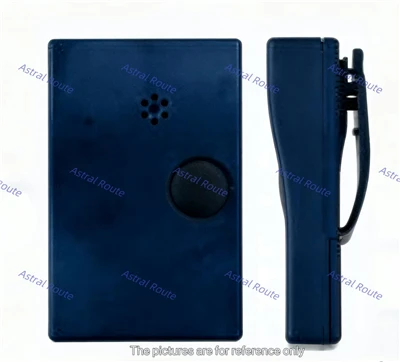
When radiation monitoring equipment fails to meet operational needs, the consequences extend beyond replacing an instrument.
Workers may lose real-time exposure awareness, safety managers may struggle to maintain reliable records, and NDT contractors may face delays while arranging replacement equipment or resolving compliance issues.
For buyers in industrial radiography, oil and gas, nuclear maintenance, medical facilities, and research laboratories, choosing a dosimeter is therefore not simply a matter of comparing prices. The instrument must suit the radiation environment, provide dependable readings, and remain practical throughout daily operations.
As more organizations move away from aging monitoring equipment, buyers are paying closer attention to the features that make a dosimeter reliable in real working conditions.
Here are seven factors worth evaluating before making a purchasing decision.
1. Accurate and Reliable Radiation Measurement
Accuracy is the first consideration when evaluating any radiation dosimeter.
An instrument that produces inconsistent readings can undermine exposure assessments and create uncertainty during safety inspections. For contractors conducting radiographic testing (RT), reliable measurement is especially important because workers may operate around gamma radiation sources in changing field conditions.
Buyers should examine:
Measurement range and resolution
Accuracy and energy response
Dose-rate response
Calibration requirements
Repeatability under intended operating conditions
Specifications should match the radiation type and expected exposure range of the application. A device designed for routine occupational monitoring may not be appropriate for every high-dose-rate environment.
It is also important to distinguish a manufacturer's stated measurement accuracy from the instrument's overall suitability for a particular application.
2. Real-Time Dose Readings and Alarm Functions
For many buyers, real-time monitoring is one of the strongest reasons to choose an electronic personal dosimeter over a passive badge alone.
Passive dosimeters remain valuable for official occupational dose records, depending on the applicable monitoring program. However, their results are generally not available immediately during a shift.
Electronic personal dosimeters can display accumulated dose and, where supported, current dose rate. Configurable alarms may alert workers when preset dose or dose-rate thresholds are reached.
Useful features include:
Audible alarms
Visual warning indicators
Vibration alerts
Adjustable alarm thresholds
Clear, continuously updated readings
These features are particularly useful during pipeline radiography, refinery shutdown inspections, offshore maintenance, and nuclear facility work.
An alarm is not a substitute for radiation protection procedures, but it can provide an important additional warning when conditions change unexpectedly.
3. Lightweight Design and Ease of Use
Radiation workers may need to wear monitoring equipment throughout long shifts, often alongside protective clothing, communication devices, and other personal protective equipment.
A bulky or difficult-to-read dosimeter can become an operational inconvenience. Complicated controls may also increase the likelihood of configuration mistakes.
Buyers should look for:
Compact, lightweight construction
Clear displays
Intuitive controls
Convenient attachment to work clothing
Readable information in low-light conditions
These details matter during night-shift RT operations and inspections in congested industrial facilities.
For international buyers managing multiple teams, ease of use can also reduce training time and simplify equipment deployment across different sites.
4. Long Battery Life and Dependable Operation
Battery performance is an important purchasing consideration, particularly for contractors working at remote locations.
During a pipeline inspection or offshore maintenance campaign, charging opportunities may be limited. An instrument that frequently needs recharging can disrupt work planning and increase the risk of starting a shift with insufficient power.
When comparing models, buyers should check:
Typical operating time
Charging or battery replacement requirements
Low-battery warnings
Battery performance under alarm conditions
Availability of replacement batteries or charging accessories
Manufacturers may quote battery life under different test conditions, so buyers should compare like-for-like figures rather than relying on headline claims.
Operational reliability also depends on routine functional checks, maintenance, and appropriate storage.
5. Calibration, Maintenance, and Compliance Support
A dosimeter can have an impressive feature list and still be a poor investment if it is difficult to maintain.
Calibration requirements vary by instrument, application, manufacturer guidance, and local regulations. Buyers should establish how the equipment will be calibrated, tested, serviced, and documented before committing to a purchase.
Important questions include:
Is calibration documentation supplied?
What calibration interval is recommended?
Are servicing and spare parts available?
Can calibration records be maintained for audits?
Does the instrument meet the standards required for the intended application?
For NDT contractors, expired calibration documentation or unavailable replacement parts can delay site approval and disrupt scheduled inspections.
A lower initial purchase price may not represent the lowest total cost if maintenance and servicing become difficult later.
6. The Right Detection Capability for the Application
Not every dosimeter measures every type of radiation.
This is a particularly important consideration for buyers working in nuclear facilities, radioactive material handling, or specialized inspection environments.
Before purchasing, identify the radiation types relevant to the workplace.
Gamma and X-ray monitoring: Common requirements for industrial radiography, medical imaging, and many radiation protection applications.
Neutron dosimetry: Relevant to selected nuclear and research environments where neutron exposure is possible.
Surface contamination monitoring: Requires appropriate contamination-monitoring instruments rather than relying on a personal dosimeter alone.
Tritium monitoring: May require specialized instruments designed for the relevant tritium measurement task.
Buyers should not assume that a standard electronic personal dosimeter can replace a neutron dosimeter, surface contamination monitor, or portable tritium monitor.
Selecting the correct instrument for the actual radiation hazard is more important than purchasing the model with the longest feature list.
7. Durability and Long-Term Value
Radiation monitoring equipment used in industrial environments may be exposed to dust, humidity, vibration, repeated transport, and temperature changes.
For oil and gas facilities, offshore platforms, and outdoor pipeline projects, durability can directly affect equipment availability.
Buyers should evaluate:
Operating temperature range
Protection against dust and water, where specified
Impact resistance
Manufacturer support
Warranty terms
Expected maintenance costs
Environmental protection claims should be verified against published specifications rather than assumed from product appearance.
Long-term value also includes usability, serviceability, calibration costs, and the availability of replacement equipment.
How to Choose the Right Dosimeter for Your Team
The best purchasing decision starts with the work environment, not the product catalogue.
An NDT contractor conducting frequent gamma radiography may prioritize real-time dose-rate readings, alarm visibility, and straightforward field operation. A nuclear facility may place greater emphasis on measurement performance, documented calibration, data management, and compatibility with its radiation protection program.
Before requesting a quotation, buyers should define the radiation type, expected measurement range, required alarms, operating conditions, calibration expectations, and any mandatory standards.
Astral Route offers radiation detection equipment for industrial and radiation protection applications, including electronic personal radiation dosimeters, neutron dosimeters, surface contamination monitors, and portable tritium monitors.
Buyers can explore the Astral Route radiation detection equipment range to identify relevant product categories and discuss their application requirements.
Providing details about the intended use, quantity, destination country, and required specifications will help establish whether a proposed instrument is suitable for the project.
Check customized solutions at https://www.astralroutetech.com/radiation-dosimeter/
FAQ
What is the most important feature of an electronic personal dosimeter?
Measurement performance is fundamental. For many field applications, real-time dose and dose-rate readings, reliable alarms, and clear displays are also important.
Are electronic dosimeters better than passive badges?
They serve different purposes. Electronic dosimeters provide immediate readings and alarms, while passive badges are commonly used for cumulative occupational dose assessment. Many radiation protection programs use both.
Do all personal dosimeters detect neutron radiation?
No. Neutron monitoring requires a suitable neutron dosimeter or a device specifically designed and validated for neutron measurement.
How often should a dosimeter be calibrated?
The required interval depends on the instrument, manufacturer guidance, intended use, and applicable regulations. Buyers should confirm the appropriate schedule before deployment.
What should NDT contractors prioritize when purchasing dosimeters?
For industrial radiography, key considerations include appropriate radiation detection capability, real-time readings, alarm functions, reliable battery performance, calibration support, and suitability for field conditions.
Can one radiation monitoring instrument detect every hazard?
No. Personal dosimeters, survey meters, contamination monitors, and tritium monitors have different functions. The equipment selection should reflect the hazards that need to be measured.
Final Thoughts
Choosing a modern dosimeter is about more than upgrading an old device. It is about ensuring that radiation monitoring equipment provides useful information, supports safe working practices, and remains dependable throughout its service life.
For buyers, the strongest approach is to compare measurement performance, alarm functions, usability, battery life, calibration support, and application-specific detection capabilities before comparing prices.
The right combination can help organizations improve exposure awareness, reduce avoidable operational disruption, and maintain a more dependable radiation protection program.