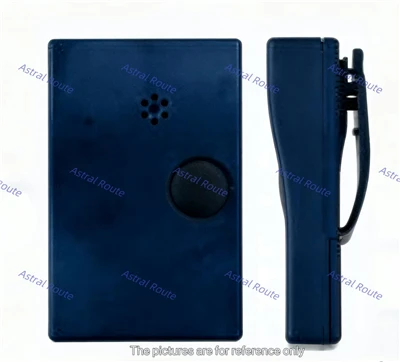
Choosing a radiation survey meter is not simply a matter of comparing prices or selecting a device with the widest measurement range. For industrial radiography contractors, refinery operators, nuclear facilities, and radiation safety teams, the wrong instrument can create measurement uncertainty, delay inspections, and complicate regulatory compliance.
A meter that works well in a laboratory may not be suitable for a pipeline inspection site. An instrument designed for low-level environmental monitoring may not provide the range required for industrial radiography. Even a device that powers on and displays readings may be unsuitable if its calibration status, detector response, or alarm functions cannot be verified.
For buyers, the real question is not which radiation survey meter has the most features. It is which instrument can reliably support the measurements required in the intended working environment.
1. Start With the Radiation Type You Need to Measure
The first purchasing decision should be based on the radiation hazards present at the site.
Different instruments are designed for different radiation types. A survey meter suitable for measuring gamma radiation may not provide reliable neutron measurements or surface contamination assessments.
Before requesting quotations, identify the intended application.
Gamma and X-ray monitoring: Commonly used for industrial radiography, radiation protection surveys, and inspection of controlled areas.
Neutron monitoring: Relevant to selected nuclear facilities, research environments, and applications where neutron fields are present.
Surface contamination monitoring: Used to identify radioactive material deposited on equipment, tools, floors, and personnel.
Tritium monitoring: Requires equipment specifically designed for the relevant tritium measurement application, such as suitable airborne or process monitoring.
These instruments are not interchangeable. For example, a conventional gamma survey meter should not be assumed to detect radioactive contamination effectively or measure airborne tritium.
The U.S. Occupational Safety and Health Administration also emphasizes that instrument selection must reflect the radiation type, energy, and measurement objective.
2. Check the Measurement Range Before Comparing Prices
An instrument's measurement range determines whether it can provide useful readings under the expected operating conditions.
For NDT contractors, this is particularly important during gamma radiography. Teams may need to conduct radiation surveys around controlled-area boundaries and verify radiation conditions after an exposure.
A meter with an insufficient upper range may become unsuitable when radiation levels rise. Conversely, an instrument optimized for high dose rates may not offer the sensitivity required for low-level surveys.
Buyers should review:
Minimum detectable or measurable levels
Maximum dose-rate range
Available measurement units
Range switching and overload behavior
Accuracy across the operating range
Suitability for the expected radiation field
Do not select a meter solely because its maximum range looks impressive. The instrument must also perform appropriately at the lower levels encountered during routine surveys.
3. Understand Detector Performance and Energy Response
Two radiation survey meters can display similar readings under one test condition but respond differently in an actual workplace.
Detector type, energy response, angular dependence, and the characteristics of the radiation field can all influence measurement results.
This matters when a contractor uses different radioactive sources or works across multiple industrial sites.
When evaluating a product, ask the supplier:
Which detector technology is used?
What radiation energies is the instrument designed to measure?
Is its response suitable for the intended source and application?
What accuracy specifications apply across the measurement range?
Are technical specifications and calibration information available?
A reputable supplier should be able to explain the instrument's intended use and limitations rather than simply promise high accuracy.
4. Calibration and Verification Should Be Non-Negotiable
A radiation survey meter is only useful when its readings can be trusted.
Over time, detector performance and electronic components may change. Physical damage, environmental conditions, and servicing can also affect instrument performance.
For this reason, buyers should check calibration requirements before purchasing.
Look for clear information about:
Calibration procedures and recommended intervals
Calibration certificates and traceability
Applicable measurement tolerances
Post-service calibration requirements
Routine operational checks
Availability of calibration and maintenance support
Requirements differ by country, instrument type, and application. For example, some industrial radiography regulations in the United States specify that calibrated, operable survey instruments must be available and used during radiographic operations. The applicable local rules should always be confirmed before deployment.
Do not assume that a factory inspection certificate automatically replaces the calibration documentation required by the end user's regulator or client.
5. Response Time and Alarm Functions Matter in the Field
Radiation conditions can change during inspection work. Operators need to recognize abnormal readings promptly and follow the relevant safety procedures.
Depending on the application, useful instrument features may include:
Clear, easy-to-read displays
Audible or visual alarms
Adjustable alarm thresholds
Readable displays in low-light conditions
Simple controls for gloved hands
Clear indication of low battery or instrument faults
Alarm functions should match the actual monitoring task. An alarm is not a substitute for correct instrument selection, calibration, controlled-area procedures, or operator training.
For refinery shutdowns, pipeline radiography, and offshore maintenance, usability matters as much as the technical specification. A complicated instrument that slows down routine surveys can create avoidable operational friction.
6. Evaluate Durability, Battery Life, and Portability
Industrial radiation monitoring rarely takes place under perfect conditions.
Equipment may be transported between project sites, exposed to dust and humidity, or used throughout long shifts. Offshore and coastal applications may introduce additional concerns relating to moisture and salt exposure.
Before buying, assess:
Weight and portability
Battery life and charging arrangements
Enclosure protection and environmental limits
Resistance to ordinary handling and transportation
Display visibility outdoors
Availability of replacement batteries and accessories
Warranty and repair arrangements
Ask for documented environmental ratings rather than assuming that a product is waterproof, dustproof, or suitable for extreme temperatures.
For contractors working across several countries, the availability of replacement equipment and technical support can be just as important as the initial purchase price.
7. Consider the Total Cost of Ownership
The lowest quotation is not always the most economical option.
A low-cost meter may become expensive if it requires frequent repairs, has limited calibration support, or cannot meet a client's equipment acceptance requirements.
When comparing suppliers, consider the full ownership cost:
Initial purchase price
Calibration and maintenance expenses
Replacement parts and accessories
Battery replacement
Expected service life
Downtime during repair
Documentation and compliance requirements
For companies managing multiple inspection teams, consistency across the equipment fleet can also simplify training, maintenance planning, and recordkeeping.
A slightly higher initial investment may be justified when the instrument offers the required performance, dependable support, and a clear path to maintaining compliance.
8. Match the Meter to the Actual Industrial Application
Different workplaces have different radiation monitoring needs.
Pipeline and refinery radiography: Prioritize suitable gamma/X-ray response, an appropriate dose-rate range, reliable field operation, and calibration documentation.
Offshore inspection: Consider portability, battery endurance, environmental suitability, and the logistics of maintenance or replacement.
Nuclear maintenance: Evaluate the expected radiation fields, measurement range, calibration requirements, and compatibility with the facility's radiation protection procedures.
Radioactive material handling: Determine whether the task requires a dose-rate survey meter, a contamination monitor, or both.
Neutron-related applications: Confirm that the selected instrument is specifically designed for the relevant neutron measurement task.
The most effective purchasing decision begins with the application, not a generic product specification sheet.
9. Questions to Ask Before Requesting a Quotation
To avoid purchasing an unsuitable instrument, buyers should prepare a clear specification request.
Include the radiation type, expected measurement range, intended application, required accuracy, operating environment, calibration documentation, and any mandatory certifications.
Also confirm the delivery lead time, warranty terms, available accessories, and after-sales support.
If the equipment will be used on a regulated project, share the relevant client or regulatory requirements with the supplier before placing the order. This reduces the risk of receiving a device that works technically but fails the project's acceptance process.
How Astral Route Supports Radiation Monitoring Requirements
Astral Route supplies radiation detection equipment for industrial, NDT, and radiation protection applications. Its product range includes electronic personal dosimeters, neutron dosimeters, surface contamination monitors, and portable tritium monitors.
For buyers seeking radiation survey equipment or building a broader radiation monitoring program, the appropriate solution depends on the required measurement task and the available product specifications.
Before making a purchasing decision, buyers should confirm the relevant radiation type, measurement range, detector performance, calibration documentation, and operating conditions with the supplier.
You can explore the Astral Route radiation detection equipment range to identify products relevant to your application and discuss your technical requirements.
Check customized solutions at https://www.astralroutetech.com/radiation-dosimeter/
FAQ
What is the most important factor when choosing a radiation survey meter?
The most important factor is whether the instrument is suitable for the radiation type, energy, and measurement range encountered in the intended application. Calibration and operational reliability are also essential.
Can one radiation survey meter measure all radiation types?
No. Different radiation types and measurement tasks may require different detector technologies and instrument configurations. Always check the manufacturer's specifications.
How often should a radiation survey meter be calibrated?
The required interval depends on applicable regulations, the instrument manufacturer's recommendations, and the organization's radiation protection procedures. Confirm the specific requirements for the country and application.
Is a radiation survey meter the same as an electronic personal dosimeter?
No. A survey meter is generally used to measure radiation levels in an area or at a particular location. An electronic personal dosimeter is worn by an individual to monitor personal dose and, on suitable models, dose rate.
What should industrial NDT contractors prioritize?
Contractors should prioritize suitable gamma/X-ray response, an appropriate measurement range, reliable operation, valid calibration documentation, clear displays, and practical field support.
What information should buyers send when requesting a quotation?
Provide the application, radiation type, expected measurement range, environmental conditions, calibration and documentation requirements, quantity, destination country, and expected delivery schedule. This allows the supplier to assess suitability more accurately.
Final Thoughts
Choosing a radiation survey meter is ultimately a decision about measurement reliability, worker protection, and operational readiness.
Buyers who evaluate detector performance, measurement range, calibration, durability, and support before comparing prices are more likely to select equipment that meets their actual requirements.
For NDT contractors, refinery operators, nuclear facilities, and industrial