Choosing radiation detection equipment is not simply a matter of comparing prices or selecting the instrument with the highest sensitivity.
For NDT contractors, industrial operators, nuclear facilities, and radiation safety managers, the wrong purchasing decision can create measurement gaps, delay inspections, and complicate regulatory compliance.
A radiation survey meter may work well for measuring gamma dose rates but be unsuitable for detecting certain types of radioactive contamination. An electronic personal dosimeter can alert a worker to rising exposure, yet it cannot replace a dedicated contamination monitor. Specialized hazards, such as neutron radiation and tritium, require particular attention when evaluating detector capabilities.
For buyers, the real challenge is finding equipment that matches the radiation hazards, operating conditions, and safety requirements of their applications.
Here are the key factors to consider before investing in radiation detection equipment.
1. Identify the Radiation Type You Need to Detect
The first purchasing decision should be based on the radiation hazard, not the product category.
Different instruments are designed for different radiation types and measurement objectives. Assuming that one general-purpose detector can cover every application may leave critical gaps in a radiation safety program.
Before requesting a quotation, identify whether your operations involve:
Gamma rays and X-rays from industrial radiography or other radiation sources
Neutron radiation in specialized nuclear environments
Surface radioactive contamination on equipment, tools, or personnel
Tritium in facilities that handle or monitor tritium-bearing materials
For example, NDT contractors conducting gamma radiography may need electronic personal dosimeters and portable radiation survey meters. A nuclear research laboratory may also require neutron monitoring or contamination detection. Facilities handling tritium may need a dedicated tritium monitoring solution.
Buyer tip: Ask the supplier to confirm the detector's intended radiation type, energy response, measurement range, and limitations before placing an order.
2. Match the Instrument to the Actual Application
Even when two buyers work with radiation, their equipment requirements can be very different.
A refinery conducting pipeline radiography has different monitoring priorities from a hospital using radioactive materials or a laboratory investigating neutron radiation.
Consider the following applications:
Industrial radiography: Electronic personal dosimeters and portable survey meters help monitor worker exposure and radiation fields.
Nuclear facilities: Depending on the work area, requirements may include personal dosimetry, neutron monitoring, contamination checks, and area monitoring.
Radioactive material handling: Surface contamination monitors help identify radioactive material deposited on equipment, tools, and working surfaces.
Tritium-related operations: Specialized tritium monitors may be required to assess tritium in air or other specified monitoring environments.
Medical and research facilities: Equipment selection depends on the radionuclides involved, the type of measurement required, and the facility's radiation protection procedures.
The important question is not whether an instrument can detect radiation in general. It is whether it can reliably perform the measurement your team needs.
3. Decide Whether Real-Time Monitoring Is Necessary
Delayed exposure records can be insufficient when workers need immediate feedback during active operations.
Traditional passive dosimeters, including film badges and certain TLD or OSL systems, are useful for recording cumulative occupational exposure. However, they generally do not provide continuous, immediate dose-rate information to the wearer.
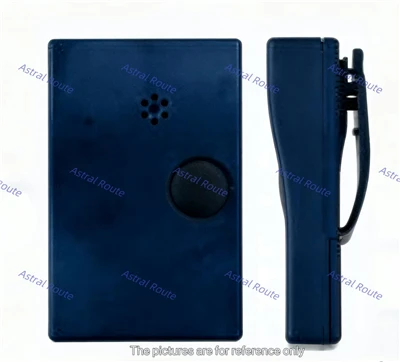
Electronic personal dosimeters (EPDs) can display dose and dose rate in real time, with alarms available on models that support these functions.
For NDT contractors working during refinery shutdowns, pipeline inspections, or offshore maintenance, this immediate feedback can help workers recognize unexpected radiation conditions and respond according to established safety procedures.
When evaluating an EPD, buyers should check:
Dose and dose-rate measurement capabilities
Configurable alarm thresholds
Audible, visual, or vibration alerts
Display readability in low-light environments
Battery life for extended shifts
Data storage and transfer options
Electronic dosimeters complement, rather than automatically replace, any passive dosimetry required by the applicable radiation protection program.
4. Check Measurement Range, Sensitivity, and Accuracy
A detector's headline sensitivity does not tell the whole story.
An instrument must be suitable for the expected radiation levels and the measurements required by the application. A detector optimized for finding low-level contamination may not be the best choice for accurately measuring high dose rates.
Before purchasing, review:
Measurement range
Minimum detectable level, where applicable
Accuracy and stated uncertainty
Response time
Energy dependence
Detector type and configuration
Performance under expected operating conditions
For contamination monitoring, probe design and the radionuclides involved can strongly influence detection performance. For neutron monitoring, detector response must be appropriate for the neutron field and intended dosimetric quantity.
Ask for the relevant technical documentation rather than relying on broad claims such as "high sensitivity" or "high accuracy."
5. Consider Calibration and Long-Term Compliance
Equipment that cannot be maintained, calibrated, or documented properly can become a liability even if its initial performance is satisfactory.
Calibration requirements vary according to instrument type, applicable regulations, manufacturer recommendations, and the organization's radiation safety procedures.
Before buying, confirm:
Whether calibration documentation is supplied
Which calibration services are available
Recommended calibration intervals
Availability of maintenance and technical support
Procedures for functional checks before use
Whether the equipment can meet the requirements of your intended worksite
For contractors serving major refineries, nuclear facilities, or offshore operators, documentation can be as important as the instrument itself. Missing or expired records may delay equipment approval or site mobilization.
6. Evaluate Durability and Ease of Use
Radiation detection equipment is often used in demanding environments. Instruments may be transported between sites, exposed to dust or humidity, or operated through long shifts.
This is especially relevant for pipeline inspection, offshore work, and industrial maintenance in Southeast Asia, the Middle East, and other regions with challenging environmental conditions.
Check the instrument's specified operating temperature, humidity tolerance, ingress protection, shock resistance, and battery performance. Do not assume that every model is suitable for outdoor or offshore use.
Ease of use also matters. A clear display, intuitive controls, accessible alarms, and straightforward data retrieval can reduce training demands and help workers avoid operating mistakes.
7. Look Beyond the Purchase Price
The lowest quotation does not necessarily represent the lowest total cost.
A more complete purchasing assessment should include:
Initial equipment cost
Calibration and maintenance expenses
Consumables and replacement parts
Battery replacement
Repair turnaround time
Expected service life
Availability of technical support
An older or inexpensive instrument may become costly if it requires frequent repairs or causes project delays when calibration or replacement parts are unavailable.
For organizations purchasing multiple instruments, ask suppliers to clarify warranty coverage, spare-part availability, lead time, and after-sales support before comparing final quotations.
8. Build a Monitoring System Around Your Risks
Many organizations need more than one type of radiation detection equipment.
A practical monitoring setup may combine electronic personal dosimeters for individual exposure, portable survey meters for dose-rate surveys, surface contamination monitors for contamination checks, and specialized neutron or tritium monitors where the relevant hazards exist.
Astral Route supplies radiation detection equipment for industrial and specialized applications, including electronic personal radiation dosimeters, personal neutron dosimeters, surface contamination monitors, and portable tritium monitors.
For buyers evaluating equipment for NDT, nuclear maintenance, laboratories, or radioactive material handling, the best starting point is a clear description of the radiation type, measurement objective, working environment, and compliance requirements. This allows the equipment configuration to be matched to the actual application rather than selected from a catalogue alone.
FAQ
What is the most important factor when selecting radiation detection equipment?
The most important factor is whether the instrument is designed to detect the radiation type and measure the quantity relevant to your application. Sensitivity, range, accuracy, and environmental suitability should then be evaluated against your operational requirements.
Can one radiation detector measure gamma rays, neutrons, and tritium?
Not necessarily. Different radiation types require different detector designs and measurement approaches. Confirm the capabilities of the specific instrument rather than assuming a general-purpose detector covers every hazard.
Should NDT contractors choose electronic or passive dosimeters?
The choice depends on the radiation protection program. Electronic dosimeters provide real-time readings and, on suitable models, alarms. Passive dosimeters provide cumulative exposure records and may still be required. Some programs use both.
How important is calibration when purchasing radiation monitoring equipment?
Calibration is essential for establishing measurement reliability and supporting applicable compliance requirements. Buyers should confirm calibration documentation, service availability, and maintenance arrangements before purchasing.
What radiation detection equipment does a nuclear facility need?
Requirements depend on the facility's radiation sources and activities. A program may require personal dosimeters, survey meters, contamination monitors, area monitors, or specialized neutron and tritium monitoring equipment. A site-specific radiation risk assessment should determine the final configuration.
What should buyers ask a supplier before requesting a quotation?
Provide the intended application, radiation type, required measurement range, operating environment, quantity, applicable standards, and any calibration or documentation requirements. Also ask about delivery lead time, warranty, spare parts, and technical support.
Final Thoughts
Selecting radiation detection equipment is a safety and operational decision, not simply a price comparison. The right instruments help workers obtain meaningful measurements, support radiation protection procedures, and reduce avoidable delays caused by unsuitable or poorly maintained equipment.
For procurement teams, the most effective approach is to define the application first, verify the technical capabilities, assess calibration and lifecycle support, and compare suppliers against the same requirements.
With a clearly defined specification, buyers can make more confident purchasing decisions and build a radiation monitoring setup that fits their actual operational needs.