

Radiation safety in hospitals is no longer limited to putting warning signs on X-ray rooms and issuing dosimeters to designated staff.
Modern healthcare facilities may operate diagnostic imaging systems, interventional X-ray equipment, nuclear medicine departments, PET/CT scanners, radiotherapy systems, and radioactive material handling areas at the same time. Each creates different radiation protection challenges, and the people working around these systems may have very different exposure patterns.
For hospital radiation safety officers, medical physicists, and procurement teams, the challenge is not simply buying a radiation detector. It is building a monitoring program that provides reliable information, supports regulatory compliance, and works in the actual conditions of a busy hospital.
The International Atomic Energy Agency (IAEA) emphasizes workplace monitoring as part of occupational radiation protection. In nuclear medicine facilities, monitoring may need to address both external exposure and radioactive contamination.
Where Hospital Radiation Safety Problems Often Begin
Radiation exposure in healthcare is usually controlled through established procedures. The problem is that real hospital operations rarely remain perfectly predictable.
Staff may move between rooms. Procedures can run longer than expected. Emergency cases can change schedules. Nuclear medicine personnel may handle radiopharmaceuticals repeatedly throughout a shift.
Common challenges include:
Inadequate visibility of individual exposure during work
Reliance on outdated dosimetry equipment
Delayed identification of abnormal exposure
Incomplete workplace monitoring
Calibration and documentation problems
Different monitoring requirements between departments
For a hospital, these issues are not only about worker safety. They can also affect compliance audits, occupational dose records, and the credibility of the facility's radiation protection program.
Why Personal Dosimetry Matters
Workers who may receive occupational exposure need an appropriate individual monitoring program based on the radiation sources and working conditions involved.
Personal dosimetry provides information about a worker's exposure to external radiation and supports long-term dose management. The IAEA's occupational radiation protection framework includes individual monitoring, workplace monitoring, and appropriate calibration of monitoring equipment as key components of radiation protection programs.
For hospital buyers, the practical question is therefore not simply:
"Do our employees have dosimeters?"
A better question is:
"Does our dosimetry system give us the information we need to manage exposure effectively?"
That distinction becomes important when choosing between passive badges and electronic personal dosimeters.
Electronic Dosimeters Provide Immediate Exposure Information
Passive badges remain useful for cumulative dose assessment, but they do not normally provide workers with immediate information during a procedure.
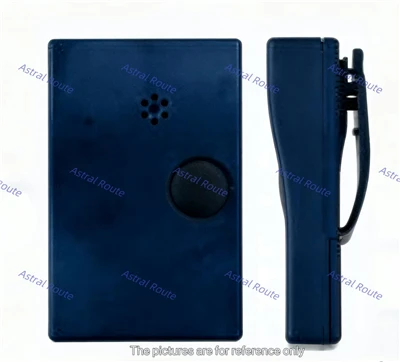
An electronic personal dosimeter can display dose and, depending on the model, provide real-time dose-rate information and audible or visual alarms.
This can be particularly useful in environments where exposure conditions change quickly.
For example, a radiology or interventional team may need to work close to an active X-ray source during a procedure. Immediate feedback can help personnel understand when exposure conditions change rather than waiting for a later dose report.
The purpose is not to replace established radiation protection procedures. It is to provide another layer of information while work is taking place.
Nuclear Medicine Requires a Different Monitoring Mindset
Nuclear medicine presents additional challenges because workers may handle unsealed radioactive materials.
Staff may be involved in:
Radiopharmaceutical preparation
Patient dose administration
PET imaging
SPECT procedures
Radioiodine therapy
Radioactive waste handling
In these settings, external exposure is only part of the picture.
The IAEA notes that nuclear medicine workplace monitoring should address both external radiation and contamination, with systematic monitoring of relevant work areas, equipment, clothing, and other potentially contaminated items.
This means a hospital may need more than personal dosimeters.
Depending on the facility, the radiation monitoring program may combine personal dosimetry, portable survey meters, surface contamination monitoring, and other specialized instruments.
PET/CT and High-Activity Workflows
PET/CT departments can create a distinctive occupational exposure pattern because personnel routinely work with radiopharmaceuticals and patients who have received radioactive materials.
The issue is not necessarily a single high-dose event. Repeated exposure throughout a working day can be more relevant to occupational dose management.
For hospital managers, this raises practical questions:
Are staff exposure records reviewed regularly?
Can abnormal dose trends be identified?
Are workers receiving appropriate feedback?
Are monitoring instruments calibrated and maintained?
Are contamination checks performed where required?
These questions are often more useful than simply asking whether the department owns radiation detection equipment.
Contamination Monitoring Is Part of Hospital Radiation Safety
A personal dosimeter measures external radiation exposure. It does not normally determine whether radioactive material has been transferred onto a person's hands, clothing, equipment, or work surfaces.
This distinction matters in nuclear medicine.
A spill involving a radiopharmaceutical may create contamination that remains after the immediate radiation source has been removed. Contamination can then spread through gloves, footwear, tools, worktops, or other frequently touched surfaces.
The IAEA recommends systematic contamination monitoring in areas where unsealed sources are used, including work surfaces, equipment, protective clothing, shoes, and relevant exit points.
For hospitals handling radiopharmaceuticals, a surface contamination monitor can therefore complement personal dosimetry rather than compete with it.
Old Radiation Detection Equipment Can Create Compliance Problems
Many hospitals continue using radiation monitoring instruments that have been in service for years.
Equipment age alone does not automatically make an instrument unsuitable. The more important question is whether it remains accurate, properly calibrated, maintainable, and appropriate for its intended application.
Older equipment may create practical problems such as:
Difficult calibration procedures
Limited spare parts availability
Battery degradation
Poor display readability
Unreliable alarms
Manual data recording
Limited compatibility with newer workflows
Calibration is particularly important. The IAEA notes that survey meters used for external radiation monitoring should be calibrated in the relevant operational quantities, while contamination monitors should be calibrated appropriately for their intended measurements.
For procurement teams, the cheapest instrument on the quotation is therefore not necessarily the lowest-cost solution over its service life.
What Should Hospitals Look for When Buying Radiation Monitoring Equipment?
A hospital procurement team should start with the application rather than the product catalogue.
Key questions include:
1. What radiation is being monitored?
Photon, neutron, beta, or other radiation types may require different detector configurations.
2. Is real-time information required?
If workers need immediate dose or alarm information, an electronic personal dosimeter may be more appropriate than relying exclusively on passive monitoring.
3. Is contamination a concern?
Nuclear medicine departments handling unsealed sources may require dedicated contamination monitoring equipment.
4. Where will the equipment be used?
A laboratory, nuclear medicine department, PET/CT facility, radiology room, and radioactive waste area may have very different monitoring requirements.
5. How will calibration be managed?
The procurement decision should consider calibration requirements, service availability, documentation, and long-term support-not just the initial purchase price.
A Practical Monitoring Portfolio for Hospitals
There is rarely one radiation detector that can cover every hospital application.
A more practical approach is to build a monitoring portfolio around specific risks.
This may include:
Electronic personal dosimeters for individual real-time exposure monitoring
Portable radiation survey meters for workplace measurements
Surface contamination monitors for areas handling unsealed radioactive materials
Specialized neutron or beta monitoring equipment where applicable
Dedicated monitors for specific radionuclides or applications
Astral Route's radiation monitoring portfolio includes electronic personal dosimeters, personal neutron dosimeters, surface contamination monitors, and portable tritium monitoring solutions. The appropriate combination depends on the hospital's radiation sources, departments, regulatory requirements, and monitoring procedures.
For buyers, this application-based approach is generally more useful than selecting equipment simply because it has a longer specification sheet.
Why Compliance Should Not Be Separated From Daily Operations
Radiation safety compliance works best when monitoring becomes part of normal clinical operations. A dosimeter that is technically compliant but rarely checked provides limited practical value.
Likewise, a survey meter sitting in a storage cabinet cannot help staff identify a changing radiation field.
Hospitals need procedures that connect equipment with actual workflows:
monitor → record → review → investigate → improve.
This creates a more useful radiation protection system and gives radiation safety officers better evidence when reviewing occupational exposure.
Check customized solutions for you at https://www.astralroutetech.com/radiation-dosimeter/
FAQ
Do all hospital staff need electronic personal dosimeters?
Not necessarily. Monitoring requirements depend on the worker's potential occupational exposure and the facility's radiation protection program. The appropriate monitoring method should be determined by qualified radiation protection personnel.
Are passive badges still useful in hospitals?
Yes. Passive dosimeters can provide cumulative occupational dose records and may remain an important part of an individual monitoring program. Electronic dosimeters can provide additional real-time information.
Do nuclear medicine departments need contamination monitors?
Where unsealed radioactive sources are used, contamination monitoring can be an important part of the workplace radiation protection program. The exact monitoring arrangements should be determined according to the radionuclides, activities, facility design, and applicable regulations.
What is the difference between a survey meter and a personal dosimeter?
A survey meter is generally used to measure radiation fields in a workplace or specific location. A personal dosimeter is worn by an individual to monitor occupational exposure.
How often should hospital radiation detection equipment be calibrated?
The appropriate interval depends on the equipment, application, manufacturer requirements, and applicable regulations. Hospitals should maintain documented calibration and quality-control procedures rather than relying on a generic interval.
What should hospitals consider when replacing old radiation detectors?
Look beyond the purchase price. Accuracy, detector type, alarm functions, calibration, battery performance, maintenance support, usability, and compatibility with the hospital's radiation protection program should all be considered.
Building a More Reliable Hospital Radiation Safety Program
Hospital radiation safety is becoming increasingly sophisticated as imaging, nuclear medicine, and radiopharmaceutical applications expand.
The key challenge for buyers is not simply finding a radiation detector. It is choosing monitoring equipment that matches the actual exposure pathways and workflows within each department.
Electronic personal dosimeters can provide immediate exposure awareness. Survey meters can support workplace radiation assessment. Contamination monitors can address risks associated with unsealed radioactive materials.
Together, these tools can help hospitals build a more complete approach to occupational radiation protection while supporting the documentation and monitoring expected in a structured radiation safety program.
For hospitals reviewing their existing radiation monitoring equipment, the most useful starting point is often a simple audit: What are we monitoring today, how quickly do we receive the information, and where are the gaps?
That assessment can then guide the selection of the appropriate radiation monitoring solution from Astral Route or other qualified suppliers.