If you’ve ever worked in a field where radiation exposure is a daily concern—whether in a nuclear power plant, a research lab, a hospital radiology department, or an industrial inspection site—you know how critical an electronic personal radiation dosimeter (EPRD) is. These small, wearable devices are your first line of defense, tracking real-time radiation levels to keep you safe on the job. But here’s a question I get asked more often than any other by both new clients and long-time partners: Is an electronic personal radiation dosimeter waterproof? As the owner of a radiation dosimeter supply company with over 12 years in the industry, I’ve spent countless hours answering this question, walking customers through test data, and explaining why water resistance isn’t a one-size-fits-all feature. Let me break this down clearly, because the answer isn’t a simple “yes” or “no”—it depends on what you need the device to handle.
First, let’s start with the basics: what makes an EPRD waterproof? Not the marketing jargon you’ll see in some product listings, but the actual science of water resistance standards. Most consumer electronics use terms like “waterproof” or “water-resistant” loosely, but for industrial and medical devices, we rely on Ingress Protection (IP) codes. The first number in an IP rating measures protection against solid objects (like dust), and the second measures protection against liquids. For example, an IP67 rating means the device is dust-tight and can be submerged in up to 1 meter of fresh water for 30 minutes without damage. An IP68 rating goes further, allowing submersion deeper than 1 meter for longer periods, often defined by manufacturers based on testing.
But here’s the key point many people miss: radiation dosimeters are not general-purpose electronics. They have specialized components—Geiger-Mueller tubes, scintillation detectors, battery packs, and precision circuitry—that need to stay calibrated and functional even when exposed to moisture. So when we design our EPRDs, we don’t just slap a seal on the case and call it water-resistant. We test each unit in real-world conditions, not just lab simulations, because a dosimeter that works in a sprinkler test might fail when it’s doused with heavy rain during a refinery shutdown, or splashed with corrosive cleaning solution in a lab.
Let’s talk about the different use cases, because that’s where this question gets practical. If you work in a role that involves regular exposure to water—say, during a plant shutdown maintenance turnaround where you’re working around cooling systems, hoses, or heavy rain—you need a dosimeter that can handle more than just a light splash. A few years back, we had a client from a midwestern nuclear plant call us in a panic. Their old dosimeters had failed during a 10-day shutdown when a pipe burst, leaving technicians standing in water for hours, and they needed replacements fast. The dosimeters they’d been using only had an IP54 rating—enough for light dust and splashes, but not full submersion or prolonged exposure to moisture. We sent them our IP67-rated EPRDs, and over the next three years, they tested those units repeatedly after shutdowns, and not a single one failed due to water exposure. For context, you can learn more about tailored solutions for shutdown maintenance teams by checking our page on Radiation Monitoring During Shutdown Maintenance. That page walks through exactly how our EPRDs are calibrated for the harsh, water-heavy conditions of plant turnaround work, including tests that mimic prolonged rain and exposure to coolant runoff.
For research lab teams, the need for water resistance is a bit different. Labs often use water baths, spray bottles for cleaning, and occasionally handle samples in humid environments. A dosimeter that’s only water-resistant up to IP54 might work here, but we still recommend at least IP65 for labs, because lab cleaning protocols sometimes involve harsher liquids than plain water—like disinfectants or solvents. A few months ago, a PhD student in nuclear physics reached out, saying her old dosimeter stopped working after she accidentally spilled ethanol on it during a sample prep. That dosimeter had an IP55 rating, which should handle splashes, but the ethanol broke down the rubber seal around the display. Our IP67 dosimeters have seals made from a special Buna-N rubber that resists common lab chemicals, not just water, so that student now uses ours and hasn’t had any issues. If you’re in a research setting, you can see our full line of lab-specific radiation dosimeters at Radiation Dosimeter For Research Laboratories. That page includes data on chemical resistance, as well as water testing results that confirm our devices can handle accidental spills and humid lab conditions.
Industrial inspection is another area where water exposure varies. Inspectors might work outdoors in coastal areas with saltwater spray, or in facilities where they’re cleaning equipment with high-pressure hoses. Saltwater is especially tricky because it’s corrosive, so a basic water-resistant device won’t hold up. For these cases, we recommend our IP68-rated EPRDs, which have a sealed port for charging (no open USB ports that can let in moisture) and a corrosion-resistant coating on the circuit board. Last year, an industrial inspection company in the Gulf Coast told us their team works on offshore oil rigs, where salt spray is constant and occasional rain means they’re standing in wet gear all day. They’d tried cheaper dosimeters that rusted out within six months, but our IP68 devices have lasted over a year in those conditions, with no water damage. For more on industrial inspection-specific radiation safety tools, check out Radiation Safety Equipment For Industrial Inspection. That page details how our EPRDs are tested against salt spray and high-pressure water, so you know they can handle the harshest outdoor and industrial environments.
Medical radiation workers—another big group of our clients—have different water needs entirely. They’re not usually exposed to full submersion, but they do need to keep their dosimeters clean, especially in hospitals where infection control is top priority. A lot of medical teams want to wipe down their dosimeters with disinfectant wipes between shifts, so water resistance is key here, but not necessarily a high IP rating for submersion. For medical staff, we recommend our IP54-rated dosimeters, which are light enough to wear under scrubs all day, easy to clean, and have a sealed case that prevents moisture from getting in during wipe-downs. We’ve had hospitals tell us that these dosimeters save them time—they don’t have to worry about ruining a device during routine cleaning, and the low profile makes them comfortable for technologists who wear them 12-hour shifts. To see our medical-focused radiation dosimeters, head to Radiation Dosimeter For Medical Radiation Workers. That page includes feedback from hospital staff about how our dosimeters hold up to daily cleaning and the demands of medical radiation work.
Now, let’s clear up a common myth: no electronic personal radiation dosimeter is “waterproof” in the sense that you can take it scuba diving or submerge it for hours on end, unless it’s explicitly rated for that. Even our top-tier IP68 dosimeters are designed for occupational use, not recreational water activities. I once had a client ask if he could wear his dosimeter whitewater rafting, and I had to tell him no—while a quick splash might be fine, prolonged submersion in a river (which has sediment that can scratch seals) would damage the device. The purpose of water resistance for EPRDs is to protect the device from incidental moisture exposure that happens on the job, not to turn it into a waterproof gadget for personal use.
Another important point: water resistance doesn’t mean unbreakable. Even the best-sealed dosimeter can fail if the seal is damaged by a drop, a scratch, or normal wear and tear. That’s why all our EPRDs come with a free annual calibration and seal inspection—we check the rubber gaskets and O-rings each year to make sure there are no cracks or gaps that could let in moisture. We also provide replacement seals at no extra cost, because we want our clients to get the full life out of their devices. That’s part of why we’ve built such loyal relationships over the years—we don’t just sell a dosimeter and walk away; we support you through the entire lifecycle.
Over the past two years, as more industries have shifted to remote monitoring, our personal radiation monitoring devices have become even more popular. These are the same water-resistant EPRDs we already talked about, but with Bluetooth connectivity that lets you track radiation levels in real-time, send alerts if exposure gets too high, and store data for reports. The water-resistant design means they work in even when teams are working in wet conditions, so you don’t have to sacrifice functionality for connectivity. If you want to learn more about how these devices combine water resistance with advanced monitoring features, visit Personal Radiation Monitoring Device. That page has real-world case studies from teams using these devices during shutdowns, inspections, and lab work, so you can see exactly how they perform in wet environments.
So, going back to the original question: Is an electronic personal radiation dosimeter waterproof? The answer is, for occupational use, yes—if you choose the right IP rating for your specific work environment. If you’re only dealing with light splashes and clean conditions, an IP54 might be enough. If you’re working in a plant shutdown with heavy rain and standing water, you need IP67. If you’re in a coastal industrial site dealing with salt spray, IP68 is non-negotiable. And if you’re in a medical lab or research setting, an IP54 or IP65 will work for routine cleaning and moderate humidity.

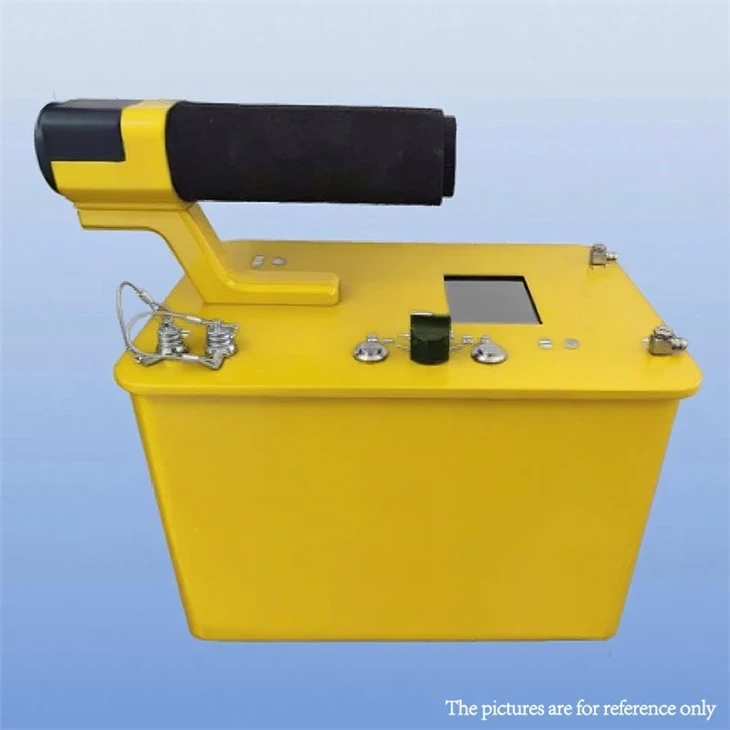
I’ve seen too many companies cut corners by buying cheap, untested dosimeters that fail when they’re needed most—especially when it comes to water damage. A dosimeter that stops working because of moisture doesn’t just mean a broken device; it means you have no way to track radiation exposure, which puts workers at risk of overexposure. That’s why we invest so much in testing: every one of our EPRDs goes through three water resistance tests before it leaves our warehouse: a spray test to mimic splashes, a submersion test for 30 minutes at 1 meter, and a humidity test at 95% relative humidity for 24 hours. We don’t cut those tests short, because your safety is on the line every time you step into a radiation zone.
If you’re shopping for a new EPRD and wondering which water resistance rating is right for you, don’t guess. Reach out to our team—we’ve helped hundreds of industries select the right device for their unique needs, and we’ll walk you through the data, test results, and use cases to make sure you make the right choice. We don’t believe in one-size-fits-all solutions, because we know every job is different. Whether you’re a shutdown maintenance technician, a research lab scientist, an industrial inspector, or a medical radiation worker, we have a dosimeter that will keep you safe, even in wet conditions.
Don’t wait until your next shift to figure out if your dosimeter can handle water exposure. Contact our team today to discuss your requirements, and let us help you find the right electronic personal radiation dosimeter for your work. We’re here to answer questions, provide more technical data, and make sure you have the tools you need to stay safe on the job.
References
- International Electrotechnical Commission. (2017). IEC 60529: Degrees of protection provided by enclosures (IP code). Geneva, Switzerland: Author.
- U.S. Nuclear Regulatory Commission. (2020). Radiation protection for occupational workers. Washington, D.C.: Author.
- World Health Organization. (2019). Radiation safety in medical and industrial settings. Geneva, Switzerland: Author.
- American National Standards Institute. (2018). ANSI N13.11: Performance of personal electronic dosimeters for X, gamma, beta, and neutron radiation. Washington, D.C.: Author.