


Hey there! If you work around radiation—whether you’re in a nuclear power plant, a hospital’s radiology lab, a research facility handling radioactive materials, or even a manufacturing plant with radiation sources—you probably already know how important a trusty Electronic Personal Radiation Dosimeter (EPD) is. But here’s a question I get all the time from new folks or even seasoned pros: How does radiation shielding mess with the measurements these dosimeters give? As a supplier of these devices, I’ve seen firsthand how shielding can make or get those readings right, so let’s break this down like we’re chatting over coffee (no jargon overload, promise).
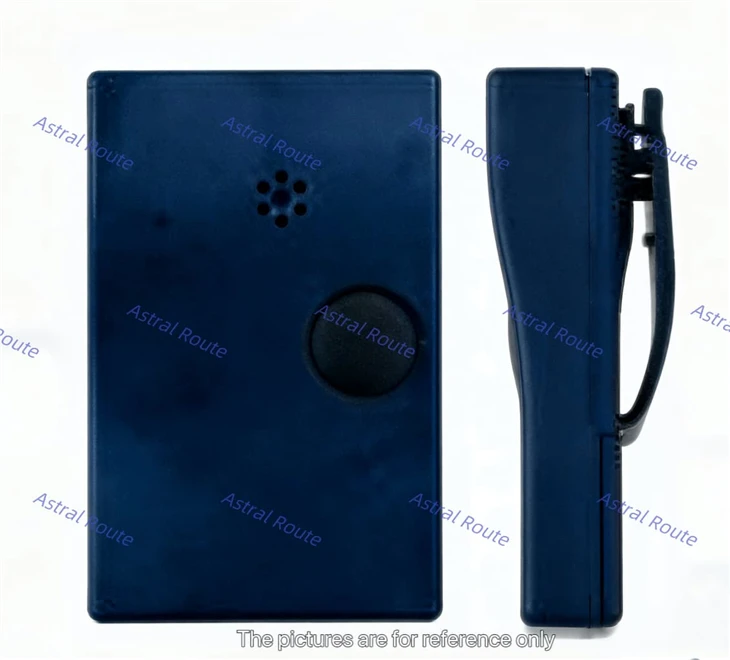

First off, let’s keep this basic: Radiation comes in different types—gamma, beta, neutron, even alpha—each with different energy levels. Shields are just materials that block or slow down that radiation, right? But the thing is, shielding doesn’t just “block” radiation; it can also change what your EPD picks up, sometimes in good ways, sometimes in tricky ones that’ll throw your measurement off if you’re not paying attention. Let’s start with why you’d even use shielding around a dosimeter in the first place. A lot of our clients, like folks handling radioactive materials, use extra shielding on or near their EPDs to protect the device itself—like stopping stray radiation from overloading it, or keeping beta particles (which can be a skin hazard but don’t penetrate deep) from messing with more critical gamma measurements. That makes sense, but here’s the catch: that same shielding can alter the radiation that reaches the dosimeter’s sensor.
Let’s take an example. Say you’ve got a worker near a gamma source, and you’ve got their EPD on their chest (standard spot) but there’s a lead apron shielding their torso. Wait, lead is great for gamma, but if the apron’s between the source and the dosimeter, the lead will absorb some of the gamma photons before they hit the sensor. But not just any gamma photons—lower-energy gamma gets absorbed more easily, right? So if the source is putting out a mix of low and high energy gamma, the dosimeter will only pick up the higher energy stuff, which makes the reading lower than the actual whole-body exposure the worker is getting. That’s a big deal! If you’re relying on that reading for safety, you might think exposure’s lower than it really is, which could lead to missing limits. That’s why it’s key to account for shielding in your dosimeter setup—something we talk about a lot in our guides, like on our page for How To Choose Radiation Dosimeter where we cover sensor types and shielding considerations.
Another angle: the type of shielding material matters a ton. Let’s say you use plastic instead of lead. Plastic is better for beta particles because it’s low-density, so beta gets stopped but doesn’t create secondary radiation (lead can cause bremsstrahlung, which is a type of x-ray, when beta hits it). If your dosimeter is supposed to measure beta, plastic shielding might let just enough beta through without messing up the reading, but if you’re using lead near a beta source, that bremsstrahlung could add a false gamma reading. Our Gamma Radiation Dosimeter line, for instance, has sensors calibrated to ignore certain low-level secondary radiation, but they still need to be matched with the right shielding for the job. We also have a lot of folks checking out our Real-Time Electronic Personal Radiation Dosimeter because it lets you see on the spot if shielding is skewing readings, which is perfect for adjusting on the fly instead of waiting for post-shift results.
Wait, what about neutron dosimeters? Neutrons are trickier because they don’t interact with matter the way gamma or beta do. They’re neutral, so they pass through stuff easily—unless you use a hydrogen-rich material like polyethylene to slow them down (moderate them) so the dosimeter’s sensor can pick them up. If you use the wrong shielding near a neutron EPD, you might either not moderate the neutrons enough, so the sensor doesn’t detect them, or you might moderate them too much, leading to overcounting. That’s why our Advanced Personal Neutron & Gamma Dosimeter has separate channels for each type of radiation, so you can compensate for shielding effects specific to neutrons vs gamma. A lot of nuclear facility managers rely on that because they’re dealing with mixed radiation fields all the time.
Let me throw in a real-world example from a client last year: They were a research lab handling radioactive iodine, which emits both beta and low-energy gamma. They used a standard EPD without any special shielding for beta, but they were also wearing a lead shield on their arm where the dosimeter was clipped. The lead absorbed most of the low-energy gamma, so the dosimeter only picked up a tiny bit of gamma, but the beta was going through unimpeded. Wait, but the dosimeter’s sensor was set to focus on gamma for whole-body exposure, so it undercounted the beta exposure, which is actually a skin hazard. They came to us worried their readings were off, and we walked them through adjusting their shielding setup—using a thin plastic cover over the dosimeter instead of lead in that spot, and calibrating the sensor to pick up beta when they’re working with that iodine. That’s the kind of issue that comes up all the time, and it’s why we put so much info out there on Radiation Monitoring Equipment For Radioactive Material Handling, because it’s not just about the dosimeter itself, it’s the whole setup.
Now, how do you actually make sure your dosimeter measurements are accurate even with shielding? First, know your radiation field: What types of radiation are you dealing with, what energy levels? If you’re in a mixed field (gamma + neutron, beta + gamma), you need a dosimeter that can separate those, which is why we recommend looking for devices with dual or multi-sensor capabilities. Then, test your setup with different shielding levels. A lot of our clients do a quick check before starting a shift: hold a small radiation source at a known distance, put a piece of shielding between it and the dosimeter, and see if the reading matches what’s expected for that shielding and distance. If it’s off, you can adjust the calibration or adjust the shielding. Also, don’t forget that shielding on the dosimeter itself (like a plastic case) is different from shielding you’re wearing as a worker. The dosimeter’s built-in shielding is there to protect the sensor from ambient noise, but too much built-in shielding can block the radiation you’re trying to measure. For example, an EPD with a thick metal case might not pick up low-energy gamma at all, which is a problem if you’re working with that type of source. That’s something to keep in mind when you’re browsing options—again, our page on How To Choose Radiation Dosimeter has a checklist for that.
Another common mistake: people think more shielding is better, but that’s not true for dosimeter measurements. If you have too much shielding between the source and the dosimeter, you might reduce the signal to a level that’s below the sensor’s threshold, so the reading shows zero when there’s actually radiation present. That’s a safety risk! I’ve seen a case where a power plant worker used a lead shield that was too thick on their EPD, and when they moved near a small gamma leak, the dosimeter didn’t pick it up because the shield blocked all the photons. They got a scare when a second check with a different dosimeter caught the leak, and we had to go over the right shielding thickness for their setup. It’s a balance: enough shielding to protect the dosimeter but not so much that it blocks the radiation you need to measure.
Now, let’s talk about secondary effects from shielding. When radiation hits a shield, it can produce secondary radiation—like that bremsstrahlung I mentioned earlier, or even scattered radiation. That scattered radiation can come back around and hit the dosimeter from a different angle, which can make the reading higher than the actual exposure from the direct source. For example, if you’re near a nuclear reactor, the walls have shielding, but some gamma gets scattered off the walls into your dosimeter. Our EPDs are designed with angular response correction, so they can account for scattered radiation, but that only works if the dosimeter is calibrated for typical shielding and scattered radiation in your workspace. If you’re in a unique space with lots of large shields, you might need a custom calibration, which we offer as part of our service. Our Real-Time Electronic Personal Radiation Dosimeter is especially good here because it can flag when the ratio of direct to scattered radiation is off, so you can adjust your position or shielding accordingly.
Let’s wrap this up with why this matters for you, as someone who needs reliable dosimeter readings. Whether you’re handling radioactive materials in a lab, working in a radiology department, or maintaining a nuclear power plant, your dosimeter’s accuracy directly impacts your safety and compliance. Shielding is a tool to protect both workers and equipment, but it’s not a set-it-and-forget-it thing. The key is to match your dosimeter to the shielding you’re using, test your setup regularly, and understand how different shield materials and thicknesses affect different types of radiation. As a supplier, we’re not just here to sell you a dosimeter—we’re here to help you get accurate measurements. That’s why we have resources like our pages for Gamma Radiation Dosimeter, Advanced Personal Neutron & Gamma Dosimeter, and all the other links I mentioned, because we want you to have all the info you need to make the right choice.
If you’re looking to upgrade your current dosimeter, troubleshoot inaccurate readings caused by shielding, or just want to know more about the best options for your workspace, get in touch with us. We can walk you through your specific radiation field, recommend the right equipment, and help you set up a system that gives you the reliable measurements you need to stay safe. We’re here to help make sure radiation monitoring doesn’t have to be guesswork, especially when shielding is involved.
References
- International Commission on Radiological Protection (ICRP). (2007). 2007 Recommendations of the International Commission on Radiological Protection. ICRP Publication 103.
- American National Standards Institute (ANSI). (2019). ANSI N42.17B-2019: Performance Specifications for Electronic Personal Radiation Dosimeters.
- Knoll, G. F. (2010). Radiation Detection and Measurement (4th ed.). Wiley.
- International Atomic Energy Agency (IAEA). (2018). Radiation Protection and Monitoring for Occupational Workers. IAEA Safety Standards Series No. GS-G-3.1.


