


Hey there! As a supplier of robotic dogs, I often get asked about the environmental requirements when using these cool gadgets. So, let's dig into it and find out what you need to know.
First off, let's understand the capabilities of our robotic dogs. They're pretty versatile little things. For example, we've got the Autonomous Robotic Dog for Flexible Warehouse Automation. This one is a champ at moving stuff around in warehouses. It can navigate through narrow aisles and handle different loads, making it a great addition to any warehouse operation.
Then there's the Robotic Dog For Industrial Inspection. This guy is designed to check out industrial sites, looking for any signs of wear and tear or potential problems. It can go places where it might be dangerous for humans, like inside large machinery or in areas with high levels of noise or dust.
The Robotic Dog for Hazardous Device Inspection is another important one. It's trained to detect explosive devices and other hazardous materials. This means it often has to work in high - stress, high - risk environments.
Now, let's talk about the environmental requirements.
Temperature
Robotic dogs, like any electronic device, have a preferred temperature range. Most of our models operate best in temperatures between 0°C and 40°C (32°F - 104°F). If it's too cold, the battery performance can take a nosedive. Cold temperatures slow down the chemical reactions in the battery, which means less power output. You might find that the robotic dog doesn't last as long on a single charge or that it moves a bit sluggishly.
On the other hand, if it's too hot, the internal components of the robotic dog can overheat. This can lead to malfunctions, reduced lifespan of the components, and in some cases, even cause permanent damage. So, when you're using the robotic dog outdoors on a sweltering summer day or in a hot industrial environment, make sure to give it breaks to cool down.
Humidity
Humidity is another factor to consider. High humidity can cause moisture to build up inside the robotic dog. This can lead to corrosion of the electrical components, which is never a good thing. Our robotic dogs are designed to handle a relative humidity of up to 85% non - condensing. That means as long as the moisture in the air doesn't turn into liquid on the surface of the robot, it should be okay.
But if you're using the robot in a very damp environment, like a basement or a coastal area, it's a good idea to take some extra precautions. You could use a dehumidifier in the storage area or dry the robot off thoroughly after each use.
Dust and Debris
Dust and debris can wreak havoc on the moving parts and sensors of the robotic dog. If you're using the Robotic Dog For Industrial Inspection in a factory with lots of dust, for example, the dust can get into the joints and interfere with the smooth movement of the legs. It can also clog the sensors, making it harder for the robot to detect its surroundings accurately.
To combat this, our robotic dogs have some level of dust protection. But it's still a good idea to clean the robot regularly, especially if it's been working in a dusty environment. You can use a soft brush or compressed air to remove any dust from the surfaces and crevices.
Terrain
The terrain where you use the robotic dog is also crucial. Our robotic dogs are built to handle a variety of terrains, but each model has its limits. For instance, the Autonomous Robotic Dog for Avalanche & Mountain Rescue is designed to work in snow - covered mountains and rough terrain. It has sturdy legs and good traction to navigate through difficult conditions.
However, if you're using a standard model on extremely rough or uneven terrain, it might struggle. Obstacles like large rocks, deep holes, or steep slopes can cause the robot to stumble or get stuck. So, it's important to assess the terrain before sending the robotic dog out on a mission.
Altitude
Altitude can also affect the performance of the robotic dog. At higher altitudes, the air is thinner, which can impact the cooling of the internal components. If the robot is working in a high - altitude area, like a mountainous region, it might need more time to cool down between tasks.
Also, the battery performance can be affected by altitude. The lower air pressure can cause the battery to discharge faster in some cases. So, if you're planning to use the robotic dog at high altitudes, it's a good idea to carry extra batteries.

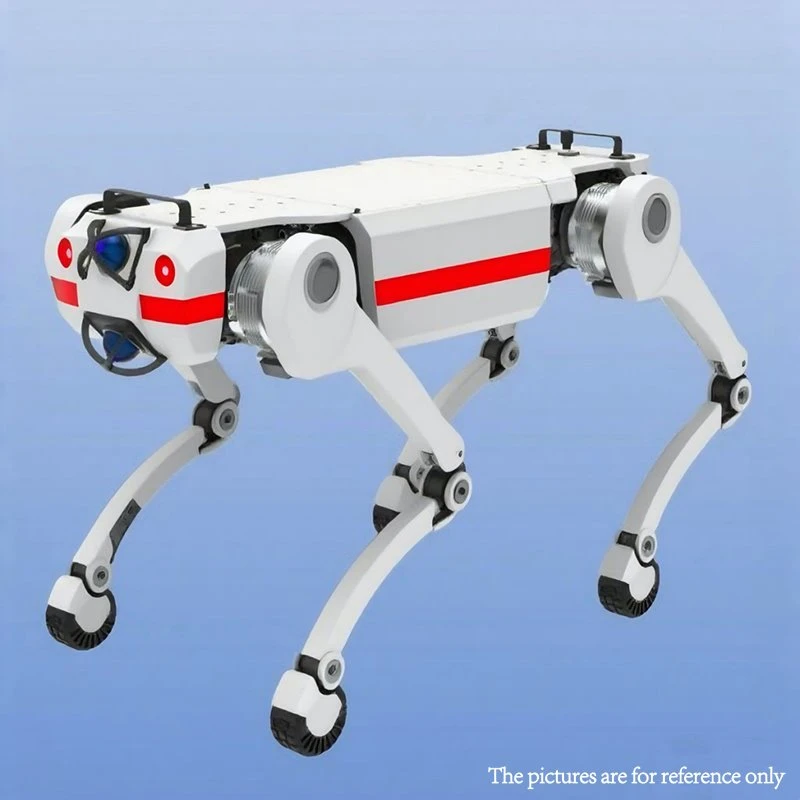
Special Environments
Some of our robotic dogs are designed for special environments. For example, the Autonomous Healthcare Assistance Robot For Smart Medical Environments is used in hospitals and clinics. In these environments, it needs to be clean and hygienic. It should be resistant to the cleaning chemicals used in healthcare settings and not pose any risk of spreading infections.
When using this type of robotic dog, you need to follow the hospital's cleaning and disinfection protocols. This might involve using special wipes or sprays to clean the surface of the robot after each use.
In conclusion, understanding the environmental requirements of the robotic dog you buy is super important. It helps ensure that your robot performs at its best and has a long lifespan. Whether you're using it in a warehouse, an industrial site, or a rescue mission, taking the right precautions based on the environment will save you a lot of headaches in the long run.
If you're interested in buying a robotic dog for your specific needs, we're here to help. We've got a variety of models to choose from, each tailored to different applications. Just reach out to us for a detailed discussion and we'll guide you through the selection process.
References
- General knowledge of electronic device environmental requirements
- Internal product specifications of our robotic dog models


