

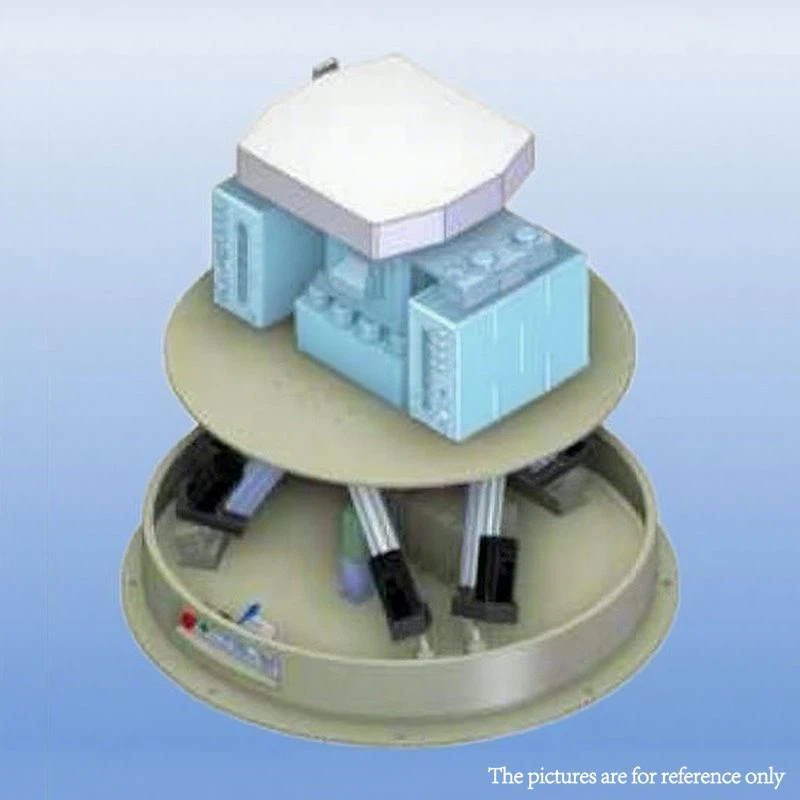
Short Description
Integrated Airspace Security for Critical Infrastructure
Multi-layer counter-UAS platform combining radar, RF detection, EO/IR tracking, AI analytics, and controlled mitigation technologies for real-time drone threat management.
Detect. Track. Identify. Respond.
Integrated counter-drone architecture designed for modern critical infrastructure and high-security environments.
Modern Drone Threats Require More Than Standalone Detection
Unauthorized drones can threaten:
Critical infrastructure
Airports
Industrial facilities
Government sites
Public safety operations
Standalone systems often create:
Detection blind spots
False alarms
Slow response times
Fragmented situational awareness
Modern counter-UAS operations increasingly rely on integrated, layered mitigation architectures.
The Solution: Integrated Multi-Sensor Counter-UAS Architecture
Our integrated platform combines:
Radar detection
RF signal analysis
EO/IR tracking
AI-assisted target classification
Controlled countermeasure systems
Unified command & control
Delivering a complete airspace security workflow from detection to response.
PRODUCT DETAIL
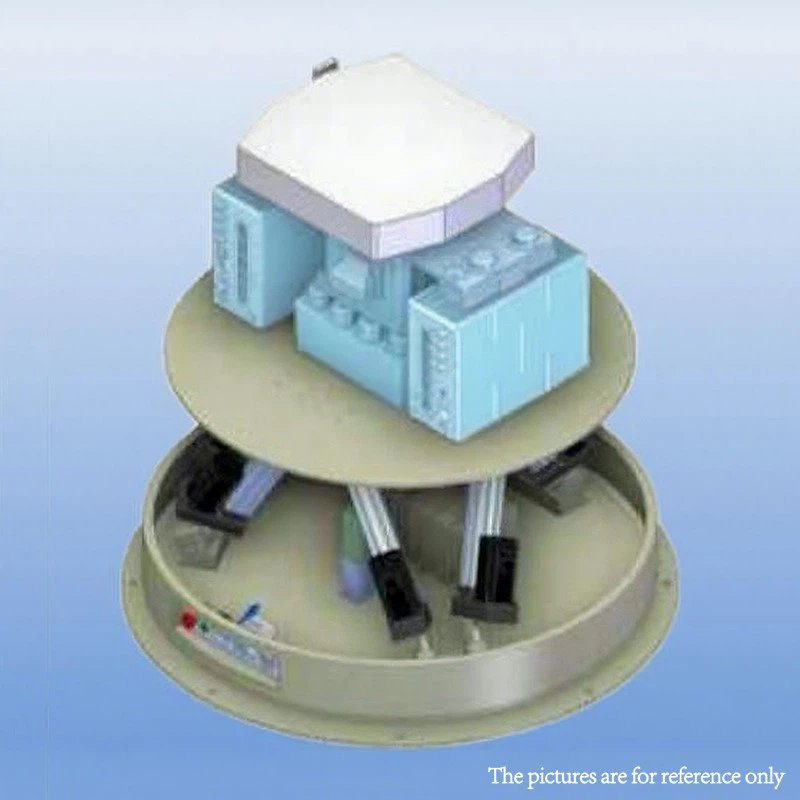
Integrated Counter-UAS Airspace Security Platform
Built for Layered Airspace Security
The device features a portable design and integrates UAV signal detection, jamming, and spoofing functions.
It can be deployed on vehicle-mounted or ship-mounted platforms, enabling real-time detection, rapid warning, target recognition, and intelligent countermeasures against UAVs intruding into the protected area-all in a unified, integrated system.
Core Abilities
Multi-Sensor Fusion
Integrates:
Radar
RF sensors
EO/IR cameras
Thermal imaging
AI analytics
Multi-sensor fusion improves detection accuracy and reduces false alarms in complex environments.
Real-Time Detection & Tracking
Supports:
Drone detection
Automatic tracking
Threat classification
Airspace awareness
Integrated C-UAS systems increasingly rely on AI-assisted tracking and sensor correlation.
Integrated Countermeasure Capability
Supports layered mitigation options including:
RF disruption
GNSS interference management
Protocol-based response
Configurable operational modes
Unified Command & Control Platform
Centralized operational interface for:
Threat visualization
Sensor coordination
Incident management
Multi-site monitoring
Modern counter-UAS systems increasingly depend on integrated C2 platforms.
Scalable Deployment Architecture
Supports:
Fixed-site deployment
Mobile systems
Multi-node networks
Temporary security zones
Standalone Systems vs Integrated Counter-UAS Architecture
| Standalone Detection | Integrated Counter-UAS System |
|---|---|
| Single sensor source | Multi-sensor fusion |
| Limited awareness | Unified situational picture |
| Higher false alarms | AI-assisted identification |
| Fragmented response | Coordinated mitigation workflow |
| Localized protection | Scalable infrastructure security |
Modern Airspace Security Requires More Than a Single Sensor
Why Choose Astral Route
Integrated Multi-Layer Architecture
Combines detection, tracking, identification, and mitigation into one unified system.
Designed for Modern Critical Infrastructure
Built for airports, energy facilities, industrial sites, and public safety operations.
AI-Assisted Situational Awareness
Advanced analytics improve target classification and operational decision-making.
Flexible Deployment Capability
Supports fixed, mobile, and scalable multi-node deployment architectures.
Unified Command & Control
Centralized management improves operational coordination and response efficiency.
From Drone Detection to Complete Airspace Security
Modern Counter-UAS Requires Layered Structure - Not Isolated Devices
Technical Specifications
Radio Detection Range: ≥30 km (EIRP 1W)
Radio Direction-Finding Accuracy: ≤3°
(Line-of-sight, ≥2 km, UAV hovering or low-speed flight, RMS)
Radio Detection Frequency Range: 400 MHz–3 GHz (Expandable to 3–6 GHz)
Radio Jamming Range: ≥40 km, power adjustable
Radio Jamming Frequency Range: 400 MHz–3 GHz (Expandable to 3–6 GHz)
Jamming Modes: Precision frequency jamming / Band coverage jamming
Jamming-to-Communication Ratio: ≥6:1
Maximum Simultaneous Jamming Bands: ≥4
Navigation Spoofing Range: ≥80 km, power adjustable
Anti-Jamming Navigation Capability: Supports GPS L1, BDS B1, GLONASS G1
Signal Coverage (Detection/Jamming/Spoofing): Horizontal: 0–360°, Elevation: -5° to 90°
Operating Temperature: -30°C to +60°C
Storage Temperature: -30°C to +70°C
Protection Rating: Not less than IP65
Product Features
The system features situational awareness display capabilities and provides threat alerts through audio-visual indicators.
It can conduct countermeasures against targets while the platform is in motion and supports real-time position tracking.
The system includes automatic north-seeking calibration functionality.
Based on a perception–prediction–decision–control model, it supports intelligent auxiliary decision-making, including real-time UAV behavior prediction, threat assessment, and optimal multi-target response strategy generation, enabling one-click intelligent response.
The system supports unattended operation.
It also features online monitoring, fault diagnosis, and localization capabilities, with the ability to identify faults down to field-replaceable units.
Application Scenarios: Designed for Critical Infrastructure Protection
Energy & Utility Infrastructure
Power plants
Substations
Oil & gas facilities
Renewable energy sites
Airport & Transportation Security
Airport perimeter monitoring
Rail infrastructure
Ports & logistics hubs
Government & High-Security Facilities
Administrative complexes
Sensitive installations
Restricted airspace zones
Industrial & Manufacturing Sites
Smart factories
Industrial parks
Data centers
Public Safety & Event Security
Stadiums
Large public events
Temporary security operations
Use Cases
Critical Infrastructure Protection
Challenge
Large infrastructure facilities require continuous low-altitude airspace awareness.
Solution
Integrated counter-UAS platform combines radar, RF, and EO/IR monitoring.
Result
Improved threat visibility
Reduced false alarms
Enhanced operational protection
Airport Airspace Monitoring
Challenge
Unauthorized drones disrupt airport operations and create safety risks.
Solution
Integrated detection and tracking system provides real-time airspace awareness.
Result
Faster incident response
Improved operational continuity
Enhanced perimeter security
Industrial Security Deployment
Challenge
Industrial facilities require scalable drone detection capability.
Solution
Multi-node architecture enables layered site protection.
Result
Expanded coverage
Better security coordination
Improved situational awareness
Public Event Protection
Challenge
Temporary security operations require rapid deployment and centralized monitoring.
Solution
Portable and fixed systems integrate into a unified command platform.
Result
Faster deployment
Better operational coordination
Enhanced crowd safety
Contact Our Specialist and Protect Critical Airspace
FAQ
Q1: What is an integrated counter-UAS system?
It is a multi-layer platform that combines detection, tracking, identification, and mitigation technologies into one coordinated airspace security solution.
Q2: What sensors can the system integrate?
Radar, RF detection, EO/IR cameras, thermal imaging, and AI analytics platforms.
Q3: Why is sensor fusion important in counter-drone systems?
Multi-sensor fusion improves detection accuracy, reduces false alarms, and enhances situational awareness.
Q4: What environments is the system suitable for?
Critical infrastructure, airports, industrial facilities, government sites, ports, and public safety operations.
Q5: Does the platform support centralized command and control?
Yes. The integrated C2 platform supports unified monitoring, incident management, and coordinated response.
Q6: Can the system support both fixed and mobile deployment?
Yes. It supports permanent, portable, and scalable multi-node deployment architectures.
Q7: Does the system support automated tracking?
Yes. AI-assisted tracking and identification improve operational efficiency.
Q8: Why are integrated counter-UAS systems becoming increasingly important?
Drone threats are evolving rapidly, making standalone detection systems insufficient for modern infrastructure protection.
Hot Tags: Integrated Counter-UAS Airspace Security Platform, China Integrated Counter-UAS Airspace Security Platform manufacturers, suppliers, factory, Integrated UAV Detection and Countermeasure Device, Portable Anti Drone System, public security jamming system, radio induction and jamming system


