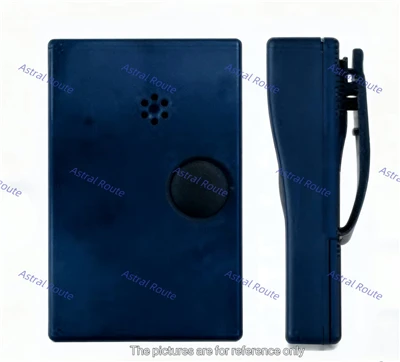
Nuclear power plants operate under some of the most demanding radiation safety requirements in the industrial sector. From routine reactor operations to scheduled outages, equipment maintenance, fuel handling, and decommissioning, radiation monitoring must remain reliable across a wide range of working conditions.
Yet many facilities still face practical challenges that are not always addressed by conventional radiation detection equipment.
Mixed radiation fields, changing exposure conditions, aging monitoring instruments, and incomplete dose records can all create difficulties for radiation protection teams. During major maintenance campaigns, these problems become even more complicated as hundreds of workers and contractors may enter controlled areas within a limited period.
For nuclear operators, selecting the right radiation detection equipment is therefore not simply an equipment purchasing decision. It is an important part of workforce protection, operational planning, and long-term compliance management.
1. Detecting Neutron and Gamma Radiation in Complex Environments
One of the biggest challenges in nuclear facilities is dealing with different types of radiation.
Gamma radiation is commonly encountered in many nuclear operational and maintenance environments. Neutron radiation is also important in specific areas associated with reactor systems, spent fuel, and other neutron-producing sources.
The difficulty is that conventional gamma-only dosimeters cannot provide neutron dose information.
This creates a potential monitoring gap in mixed radiation fields.
Radiation protection teams should evaluate whether their monitoring equipment can detect the radiation types present in each work area.
For applications involving both neutron and gamma exposure, specialized dual-radiation monitoring instruments can provide more comprehensive personal dose information.
This is particularly important for:
Reactor maintenance personnel
Nuclear outage contractors
Spent fuel handling teams
Radiation protection officers
Workers in designated neutron radiation areas
When purchasing personal dosimeters, nuclear operators should check detector capabilities, energy response, measurement range, and suitability for the expected radiation field rather than relying on gamma detection specifications alone.
2. Managing Worker Exposure During Nuclear Outages
Nuclear power plant outages create a particularly challenging radiation protection environment.
During scheduled maintenance, inspection, and repair activities, large numbers of contractors may enter controlled areas to work on equipment that is not routinely accessible during normal operations.
Typical activities include:
Reactor maintenance
Steam generator inspection
Pipe and valve replacement
Equipment decontamination
Structural inspection
Radioactive waste handling
These activities may involve changing radiation fields and different exposure conditions.
Traditional passive dosimeters remain important for official occupational dose assessment, but they cannot provide immediate exposure feedback during a shift.
Electronic Personal Dosimeters (EPDs) offer an additional layer of protection through real-time dose and dose-rate displays, together with configurable alarm functions.
For outage contractors, these features help workers and supervisors identify unexpected exposure conditions earlier and make better-informed operational decisions.
3. Controlling Radiation Exposure in Restricted Areas
Nuclear facilities contain different radiation-controlled areas, each with its own access requirements and monitoring procedures.
Radiation conditions can vary significantly between locations.
A worker entering a maintenance area may encounter different dose rates depending on equipment condition, nearby radioactive components, and ongoing operations.
This makes reliable portable radiation survey meters essential.
They are commonly used to:
Measure ambient dose rates
Check radiation levels around equipment
Support controlled-area boundary surveys
Verify conditions before personnel entry
Assist radiation protection teams during maintenance
For facility operators, instrument selection should consider measurement range, detector response, alarm capability, calibration requirements, and suitability for the radiation types expected in the working environment.
4. Preventing Radioactive Contamination From Spreading
External radiation exposure is only one part of nuclear safety management.
Radioactive contamination presents another challenge, particularly during maintenance, equipment removal, and radioactive material handling.
Contamination can spread through protective clothing, gloves, tools, equipment, and working surfaces.
If it is not identified early, radioactive material may be transferred beyond its original controlled area.
Surface contamination monitors help radiation protection personnel identify radioactive material on:
Workers' hands and clothing
Maintenance tools
Equipment surfaces
Floors and workbenches
Waste containers
Nuclear operators should evaluate detector compatibility with the radionuclides involved, as well as sensitivity, measurement modes, and portability.
Personal dosimeters and contamination monitors serve different purposes. A complete radiation protection program needs to address both external exposure and contamination risks.
5. Monitoring Tritium and Specialized Radionuclide Risks
Not all radiation monitoring requirements can be addressed with conventional gamma survey meters.
Tritium, for example, presents specific monitoring challenges because it is a low-energy beta emitter.
In nuclear facilities, tritium may be relevant to particular coolant systems, fuel-related processes, research activities, and radioactive waste management operations.
Conventional gamma monitoring instruments are generally unsuitable for directly assessing tritium contamination.
Specialized tritium monitoring equipment may therefore be required, depending on the application and the form of tritium being monitored.
For procurement teams, an important consideration is whether the instrument is designed for airborne tritium, surface contamination, or another specific monitoring task. These applications require different detection approaches.
6. Aging Radiation Detection Equipment Creates Hidden Risks
Many nuclear facilities operate monitoring instruments that have been in service for years.
Although older equipment may still function, aging components and limited manufacturer support can create problems.
Common issues include:
Calibration drift
Reduced battery performance
Unreliable alarm functions
Display deterioration
Limited data storage
Difficulty obtaining replacement components
An instrument that powers on is not necessarily an instrument that can be relied upon for critical safety decisions.
Procurement and radiation protection teams should periodically review equipment condition, calibration history, repair costs, and manufacturer support.
Replacing outdated instruments before they become operational liabilities can help reduce maintenance pressure and improve monitoring reliability.
7. Improving Dose Data Management and Compliance
Modern nuclear facilities need more than accurate measurements. They also need reliable exposure records.
Radiation protection departments must manage individual dose information, equipment calibration records, monitoring results, and documentation for internal and external audits.
Manual recordkeeping can become difficult when large contractor teams participate in an outage.
Modern electronic dosimeters with automatic data storage and optional communication capabilities can help simplify exposure tracking.
When evaluating digital monitoring equipment, buyers should consider:
Cumulative dose recording
Dose-rate monitoring
Alarm threshold configuration
Data storage capacity
Data readout methods
Standalone or networked operation
Integration requirements
These capabilities can improve visibility into radiation conditions and reduce administrative work, although they do not replace formal occupational dose assessment or regulatory recordkeeping procedures.
Choosing the Right Radiation Detection Equipment for Nuclear Facilities
The most effective procurement strategy is to select instruments according to actual radiation protection requirements rather than purchasing one general-purpose detector for every application.
Astral Route provides a range of radiation detection solutions for nuclear and industrial applications, including:
Electronic Personal Dosimeters for real-time individual exposure monitoring
Neutron Dosimeters for neutron radiation monitoring
Combined Neutron and Gamma Dosimeters for relevant mixed-field applications
Portable Radiation Survey Meters for field dose-rate measurements
Surface Contamination Monitors for radioactive contamination checks
Portable Tritium Monitors for specialized tritium monitoring requirements
Our radiation dosimetry solutions include configurable dose and dose-rate alarm thresholds, automatic measurement data storage, and optional communication functions on applicable configurations.
For international buyers, Astral Route can help identify suitable equipment configurations based on the intended application, radiation type, measurement range, and operating environment.
Selecting the right monitoring equipment starts with understanding the actual risks workers face.
Check solutions here https://www.astralroutetech.com/radiation-dosimeter/
FAQ
What radiation detection equipment is essential in nuclear power plants?
Common equipment includes electronic personal dosimeters, neutron dosimeters, portable radiation survey meters, area radiation monitors, and surface contamination monitors. Specialized tritium monitoring equipment may also be required.
Why is neutron detection important in nuclear facilities?
Certain nuclear environments involve neutron radiation, which cannot be adequately assessed using gamma-only dosimeters. Specialized neutron monitoring is necessary where neutron exposure is part of the radiation protection assessment.
Are electronic personal dosimeters better than passive badges?
They serve different purposes. Electronic dosimeters provide real-time dose information and alarms, while passive dosimeters are commonly used for official cumulative occupational dose assessment. Many facilities use both.
Why is radiation monitoring especially important during nuclear outages?
Outages involve large contractor teams, increased maintenance activities, and access to areas that may have changing radiation conditions. Reliable monitoring helps manage worker exposure throughout the maintenance period.
How often should radiation detection equipment be calibrated?
Calibration intervals depend on applicable regulations, instrument specifications, and facility procedures. Nuclear operators should maintain documented calibration schedules and ensure instruments are suitable for use before deployment.
Can one dosimeter detect both neutron and gamma radiation?
Certain specialized instruments are designed for combined neutron and gamma monitoring. Buyers should verify the detector configuration, energy response, measurement ranges, and performance specifications before purchasing.
Final Thoughts
Radiation detection in nuclear power plants involves much more than measuring ambient gamma dose rates. Neutron exposure, radioactive contamination, tritium monitoring, contractor dose management, and aging equipment all present challenges that require appropriate monitoring solutions.
For nuclear operators, engineering contractors, and radiation protection departments, the priority should be building a monitoring system that matches the actual radiation conditions across different operational areas.
Reliable electronic dosimeters, specialized neutron detectors, portable survey meters, and contamination monitoring instruments can all contribute to a more comprehensive radiation protection program.
If your facility is reviewing its existing radiation monitoring equipment or preparing for an upcoming maintenance outage, Astral Route welcomes inquiries from international buyers seeking suitable radiation detection solutions for nuclear applications.