
The oil and gas industry depends heavily on non-destructive testing (NDT) to ensure the integrity of critical infrastructure. From newly constructed pipelines to aging refineries and offshore platforms, inspections help identify defects before they become costly or dangerous failures.
Among the available NDT methods, radiographic testing (RT) remains one of the most trusted techniques for examining internal weld quality and structural integrity. Gamma radiography, in particular, is widely used because it delivers high-quality images while remaining practical for field applications.
Yet every radiographic inspection introduces a controlled radiation hazard. Managing that hazard is an essential part of every inspection project, whether the work is being performed at a refinery turnaround, an LNG construction site, or a remote pipeline installation.
Radiation safety is therefore not simply a regulatory obligation-it is a key element of operational reliability, workforce protection, and project success.
Why Radiation Safety Is Critical in Oil & Gas
Oil and gas facilities are complex environments where multiple work activities often take place at the same time.
During inspection campaigns, RT crews may work alongside:
Mechanical maintenance teams
Welders and fabricators
Scaffolding contractors
Electrical technicians
Insulation crews
Crane operators
Commissioning personnel
Without careful coordination, workers who are not directly involved in radiography may unintentionally approach controlled radiation areas.
As facilities become larger and projects more compressed, maintaining effective radiation protection becomes increasingly challenging.
Where Radiographic Testing Is Used
Radiographic testing supports quality assurance throughout the entire life cycle of oil and gas assets.
Typical inspection applications include:
Pipeline weld inspection
Pressure vessel fabrication
Storage tank construction
Refinery maintenance
LNG facility construction
Offshore platform repairs
Compressor station inspections
Heat exchanger examinations
Structural steel verification
Many international standards require radiographic examination for pressure-containing equipment because it provides permanent inspection records that can be reviewed years after construction.
Common Radiation Safety Challenges
Although radiation work is carefully controlled, several practical challenges frequently arise during oil and gas inspections.
These include:
Congested Work Areas
Shutdown projects often involve hundreds or thousands of workers operating within the same process units.
Maintaining exclusion zones becomes more complicated as work density increases.
Tight Project Schedules
Inspection delays can postpone equipment commissioning and increase downtime costs.
Project pressure should never compromise radiation safety procedures.
Remote Job Sites
Pipeline and upstream exploration projects may be located hundreds of kilometers from major service centers.
Reliable monitoring equipment becomes especially important where replacement instruments are not readily available.
Simultaneous Operations
Multiple RT teams may conduct inspections at different locations within the same facility.
Strong communication and coordination are essential to prevent overlapping work areas.
Personal Dosimetry Protects Every Radiation Worker
Personal dosimetry is one of the foundations of radiation protection.
Each RT operator should wear an approved personal dosimeter whenever working with or near radioactive sources.
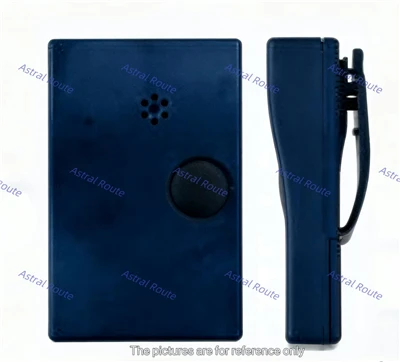
Modern Electronic Personal Dosimeters (EPDs) provide significant advantages, including:
Continuous dose monitoring
Real-time dose-rate display
Audible and vibration alarms
Immediate warning of elevated radiation levels
Digital exposure records
Unlike passive badges that are analyzed after exposure, electronic dosimeters allow workers to respond immediately if radiation levels increase unexpectedly.
Portable Survey Meters Help Maintain Safe Work Areas
Radiation survey meters are used throughout every stage of an RT operation.
Typical applications include:
Establishing controlled boundaries
Measuring dose rates around work areas
Verifying source return after exposure
Confirming safe re-entry conditions
Supporting emergency response
Accurate survey measurements help ensure that exclusion zones remain appropriate throughout the inspection process.
Regular calibration is equally important, as inaccurate measurements may lead to unsafe decisions.
Radiation Protection During Refinery Shutdowns
Refinery turnarounds are among the busiest periods for industrial radiography.
During these projects:
Hundreds of welds may require inspection
Multiple RT crews operate simultaneously
Maintenance work continues around active radiography
Shutdown schedules leave little room for delays
Radiation safety planning should begin before inspections start.
Effective practices include:
Daily coordination meetings
Clearly marked exclusion zones
Continuous radiation monitoring
Pre-job safety briefings
Equipment function checks before each shift
Strong planning reduces both exposure risks and costly interruptions.
Offshore Inspections Present Unique Challenges
Offshore platforms require a different approach to radiation protection.
Challenges include:
Confined workspaces
Harsh marine environments
Continuous production operations
Limited evacuation routes
Weather-related disruptions
Electronic dosimeters and portable survey meters are especially valuable offshore because they provide immediate information even when visibility is limited or work conditions change quickly.
LNG Construction Projects Require Strict Exposure Control
LNG plants involve extensive weld inspection during construction and commissioning.
Because thousands of workers may be present across large construction areas, radiation work must be carefully coordinated.
Best practices include:
Real-time personal dosimetry
Clearly defined work permits
Continuous communication between RT crews and HSE teams
Controlled access during source exposure
Digital exposure record management
These measures help maintain both safety and construction efficiency.
Equipment Reliability Is Essential
Radiation monitoring equipment is only effective if it performs as expected.
Before each inspection campaign, organizations should verify:
Calibration validity
Detector performance
Alarm functionality
Battery condition
Mechanical integrity
Using outdated or poorly maintained equipment increases uncertainty and may affect both safety and compliance.
Many contractors now replace legacy monitoring systems with modern digital instruments that provide improved reliability and simplified data management.
Building a Strong Radiation Safety Culture
Technology alone cannot eliminate radiation risks.
Successful oil and gas companies invest equally in:
Worker training
Clear operating procedures
Routine safety meetings
Incident reporting
Continuous improvement
Encouraging workers to report near misses and raise safety concerns without hesitation helps create a proactive safety culture.
When every team member understands their role in radiation protection, compliance becomes part of daily operations rather than an administrative requirement.
Modern Radiation Monitoring Solutions
As inspection projects become larger and more complex, radiation monitoring systems are evolving as well.
Modern solutions increasingly include:
Electronic personal dosimeters
Portable radiation survey meters
Area radiation monitoring systems
Surface contamination monitors
Neutron dosimeters for specialized applications
Portable tritium monitoring instruments
Digital exposure management platforms
Together, these technologies improve situational awareness, strengthen regulatory compliance, and support more efficient project management.
Supporting Safer Oil & Gas Inspections
Astral Route supplies a comprehensive range of radiation monitoring solutions for oil and gas inspection applications.
Its portfolio includes electronic personal dosimeters, portable radiation survey instruments, neutron dosimeters, surface contamination monitors, and portable tritium monitors designed for demanding industrial environments.
Whether supporting refinery shutdowns, offshore maintenance, LNG construction, or long-distance pipeline inspection, these solutions help contractors improve worker protection while meeting increasingly stringent safety and compliance requirements.
FAQ
Why is radiation safety important during oil and gas inspections?
Radiographic testing uses ionizing radiation to inspect welds and equipment. Proper monitoring and control are essential to protect workers and comply with safety regulations.
What industries within oil and gas use radiographic testing?
Radiography is commonly used in refineries, offshore platforms, LNG facilities, petrochemical plants, compressor stations, storage terminals, and pipeline construction projects.
Why are electronic personal dosimeters preferred today?
Electronic dosimeters provide real-time dose monitoring and instant alarms, enabling workers to respond immediately to changing radiation conditions.
What equipment is commonly used for radiation protection?
Typical equipment includes electronic personal dosimeters, portable survey meters, area radiation monitors, contamination monitors, and specialized neutron or tritium monitoring instruments when required.
How can contractors improve radiation safety performance?
Maintaining calibrated equipment, implementing effective work permit systems, using real-time monitoring devices, conducting regular safety training, and ensuring clear communication between RT teams and other contractors all contribute to safer operations.
Final Thoughts
Radiation safety is an integral part of modern oil and gas inspection. As facilities become more complex and inspection schedules more demanding, relying solely on basic radiation protection measures is no longer enough.
A combination of trained personnel, disciplined procedures, reliable monitoring equipment, and real-time exposure awareness allows inspection teams to complete radiographic testing safely without compromising productivity.
For organizations working across refineries, LNG plants, offshore platforms, and pipeline projects, investing in modern radiation monitoring solutions is not only a compliance requirement-it is a practical step toward improving operational efficiency and protecting the people who keep critical energy infrastructure running.