For many people working in the oil and gas industry, radiation is associated with industrial radiography or nuclear facilities. Yet one of the most common sources of radiation exposure in oilfields occurs naturally.
Naturally Occurring Radioactive Material (NORM) is present in underground rock formations and reservoir fluids around the world. During oil and gas production, naturally occurring radionuclides can accumulate inside pipes, valves, separators, pumps, filters, and production equipment. Over time, these radioactive deposits may expose workers involved in maintenance, inspection, cleaning, and decommissioning activities.
Although NORM radiation levels are generally much lower than those associated with industrial radiography, prolonged or repeated exposure can still present occupational health risks if not properly managed.
As oilfields mature and maintenance activities increase, NORM monitoring has become an important part of modern radiation protection programs.
What Is NORM?
Naturally Occurring Radioactive Material refers to radioactive elements that exist naturally in the Earth's crust.
The radionuclides most commonly encountered in oil and gas operations include:
Radium-226
Radium-228
Uranium
Thorium
Lead-210
Polonium-210
These materials are normally trapped deep underground.
During oil and gas extraction, however, produced water and hydrocarbons can carry radioactive minerals to the surface.
As production continues, radioactive scale and sludge gradually accumulate inside production equipment.
This process occurs naturally and does not result from industrial contamination.
Where Does NORM Accumulate?
NORM can be found throughout upstream oil and gas production facilities.
Common locations include:
Production tubing
Flowlines
Gathering pipelines
Separators
Heat exchangers
Water treatment systems
Storage tanks
Pumps
Filters
Produced water handling equipment
In aging oilfields, radioactive scale may build up over many years, increasing the likelihood of worker exposure during maintenance operations.
Why Mature Oilfields Face Higher Risks
The risk associated with NORM generally increases as oilfields age.
Long-term production allows radioactive minerals to accumulate gradually within equipment.
As a result, maintenance teams working on mature assets are more likely to encounter radioactive deposits than those working on newly commissioned facilities.
Activities that may disturb NORM deposits include:
Pipeline cutting
Equipment replacement
Pigging operations
Scale removal
Tank cleaning
Valve maintenance
Well intervention
Facility decommissioning
Each of these activities can expose workers to radiation if appropriate controls are not in place.
How Workers Can Be Exposed
Occupational exposure to NORM occurs through several pathways.
External Radiation
Radioactive scale attached to pipes or equipment emits gamma radiation that can expose nearby workers.
The exposure level depends on:
Radionuclide concentration
Time spent near the source
Distance from contaminated equipment
Shielding provided by surrounding materials
Surface Contamination
Maintenance activities may spread radioactive particles onto tools, protective clothing, or work surfaces.
Without proper monitoring, contamination can be transferred to clean areas.
Internal Exposure
Cutting, grinding, or cleaning contaminated equipment may generate dust containing radioactive particles.
If inhaled or ingested, these particles can contribute to internal radiation exposure.
This is why dust control and contamination monitoring are important during maintenance work.
Why NORM Often Goes Unnoticed
One of the challenges of NORM is that it is invisible.
Radioactive deposits typically cannot be identified through visual inspection alone.
Equipment may appear completely normal while containing elevated radiation levels internally.
Without appropriate monitoring instruments, maintenance crews may unknowingly begin work on contaminated equipment.
Routine radiation surveys before maintenance activities help identify potential hazards before personnel are exposed.
Radiation Monitoring Is Essential
Effective NORM management begins with accurate radiation measurement.
Depending on the application, facilities commonly use:
Portable radiation survey meters
Electronic personal dosimeters
Surface contamination monitors
Area radiation monitors
These instruments help identify radioactive equipment, measure dose rates, monitor worker exposure, and verify that work areas remain safe.
Regular monitoring also supports compliance with occupational radiation protection requirements.
Surface Contamination Monitoring Matters
When radioactive scale is disturbed, contamination may spread beyond the original equipment.
Surface contamination monitoring is commonly performed on:
Work benches
Tools
Protective clothing
Floors
Vehicles
Waste containers
Detecting contamination early helps prevent radioactive material from being carried into offices, workshops, or public areas.
For facilities handling significant quantities of NORM, contamination monitoring is an important part of routine maintenance procedures.
Personal Dosimetry Protects Maintenance Workers
Workers involved in NORM-related maintenance often spend extended periods near contaminated equipment.
Electronic personal dosimeters provide continuous exposure monitoring by:
Recording cumulative dose
Displaying real-time dose rates
Alerting workers to elevated radiation levels
Supporting occupational dose records
Although NORM exposure levels are usually lower than those encountered during industrial radiography, personal dosimetry helps ensure that cumulative exposure remains within regulatory limits.
Safe Work Practices for NORM Management
Radiation protection during NORM maintenance focuses on minimizing unnecessary exposure.
Recommended practices include:
Conduct radiation surveys before beginning work
Clearly identify contaminated equipment
Wear appropriate personal protective equipment (PPE)
Control dust generation during cleaning
Monitor surfaces for radioactive contamination
Segregate NORM waste according to local regulations
Record individual worker doses when required
Train personnel on radiation awareness and contamination control
Applying the ALARA principle-keeping exposure As Low As Reasonably Achievable-remains a fundamental objective.
Regulatory Compliance Is Becoming More Important
Many countries have strengthened regulations covering NORM management in recent years.
Oil and gas operators may be required to:
Assess radiation risks before maintenance
Monitor occupational exposure
Control contaminated waste
Maintain radiation records
Provide radiation safety training
Demonstrate compliance during inspections
Failure to implement appropriate controls can result in project delays, regulatory penalties, and increased operational risk.
Supporting Safer NORM Management
As awareness of NORM hazards continues to grow, many operators are investing in modern radiation monitoring solutions.
Astral Route provides a range of radiation detection equipment suitable for oil and gas applications, including:
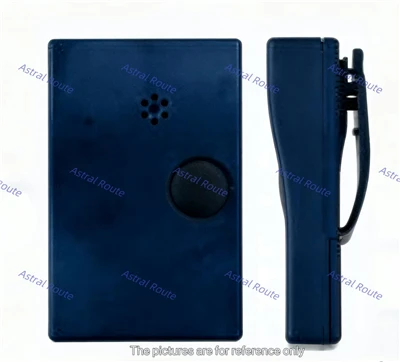
Electronic personal dosimeters for real-time dose monitoring
Portable radiation survey meters for field measurements
Surface contamination monitors for detecting radioactive residues
Specialized neutron dosimeters and radiation monitoring solutions for demanding industrial environments
These instruments help maintenance teams identify radiation hazards, improve worker protection, and support compliance with industry regulations.
FAQ
What is NORM in the oil and gas industry?
NORM stands for Naturally Occurring Radioactive Material. It refers to radioactive substances that naturally exist underground and can accumulate in oil and gas production equipment during normal operations.
Is NORM dangerous?
In most cases, NORM presents relatively low radiation levels. However, repeated or prolonged exposure without proper controls may increase occupational health risks.
Where is NORM commonly found?
NORM is often found in production tubing, pipelines, separators, storage tanks, filters, heat exchangers, and produced water treatment systems.
Why are surface contamination monitors important?
They help detect radioactive residues on equipment, tools, work surfaces, and protective clothing, reducing the risk of contamination spreading throughout a facility.
Should oilfield workers wear personal dosimeters?
Workers who regularly perform maintenance on equipment that may contain NORM are often required or recommended to wear personal dosimeters, depending on local regulations and site-specific radiation assessments.
Final Thoughts
Unlike the controlled radiation sources used in industrial radiography, NORM is a naturally occurring hazard that can develop gradually throughout the life of an oilfield. Because radioactive deposits are invisible and often remain hidden inside production equipment, the risk is easy to underestimate.
Routine radiation surveys, personal dosimetry, contamination monitoring, and well-defined maintenance procedures are essential for protecting workers and maintaining compliance. As more oilfields enter mature production phases and decommissioning activities increase, effective NORM radiation management is becoming an increasingly important part of responsible oil and gas operations.