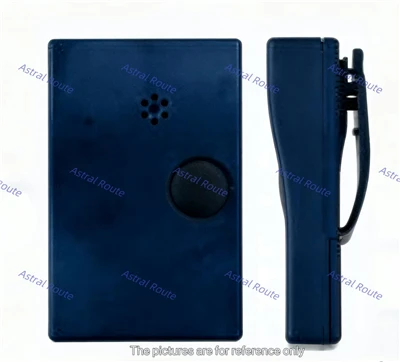
Robot dogs can be controlled by humans, but the control methods are diverse and not limited to direct manual operation.
Generally speaking, a robot dog is an intelligent robot that can walk automatically, sense the environment and respond accordingly. Its walking and movements can be controlled in a variety of ways. For example, a robot dog can be allowed to walk and perform along a specified path and action through preset programs and algorithms. In this way, the robot dog does not need real-time human control, but acts autonomously according to preset instructions.
At the same time, there are also some advanced robot dogs that can be controlled in real time through human-computer interaction. For example, using remote control, gesture recognition, voice control and other technologies, people can input real-time instructions and adjust the movements of robot dogs. In addition, there are studies exploring the use of brain-computer interfaces and other technologies to achieve direct control of robot dogs by the human brain. Although this technology is still in the research and development stage, it may become a new way to control robot dogs in the future.
Therefore, robot dogs can be either autonomous or human-controlled, depending on their design, application scenarios and control methods.