Introduction
The global nuclear industry is entering a new phase of modernization. From commercial nuclear power plants and fuel cycle facilities to nuclear medicine departments and industrial radiography operations, radiation safety standards are becoming more demanding than ever before. Regulators, operators, and safety engineers are under increasing pressure to improve worker protection, strengthen radiation monitoring programs, and reduce occupational exposure risks in high-radiation environments.
One of the most critical - yet sometimes underestimated - aspects of radiation protection is neutron radiation monitoring.
Unlike gamma or X-ray exposure, neutron radiation presents unique detection challenges. Neutrons are highly penetrating, biologically damaging, and difficult to detect without specialized instrumentation. In many nuclear facilities, neutron exposure may occur intermittently, unpredictably, or in mixed-radiation environments where traditional dosimetry methods are no longer sufficient.
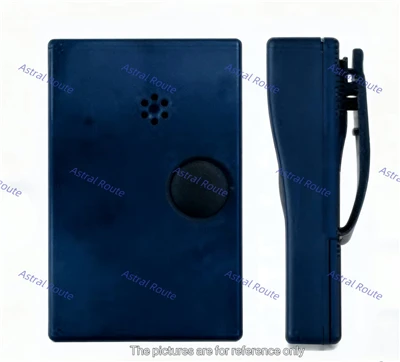
This is why modern nuclear facilities increasingly rely on advanced personal neutron dosimeters such as the Astral Route Personal Neutron Dosimeter to support continuous radiation monitoring, real-time worker protection, and regulatory compliance.
For Radiation Safety Officers (RSOs), Nuclear Safety Engineers, NDT Managers, and nuclear medicine professionals, neutron monitoring is no longer simply a compliance requirement. It has become a core operational safety strategy.
The Rising Importance of Neutron Radiation Monitoring
In many industrial environments, radiation safety programs historically focused heavily on gamma radiation monitoring. However, neutron radiation has become a growing concern due to several industry trends:
Expansion of nuclear power infrastructure
Increased maintenance activities in aging reactors
Growth of spent fuel management operations
Wider use of neutron-emitting sources
Higher demand for industrial radiography and non-destructive testing (NDT)
Development of compact nuclear technologies and research reactors
Neutron radiation is particularly dangerous because of its high relative biological effectiveness (RBE). Even relatively low neutron doses can cause significant biological damage compared to other forms of ionizing radiation.
This creates serious occupational hazards for personnel working in:
Reactor containment areas
Fuel handling zones
Spent fuel storage facilities
Neutron source laboratories
Industrial radiography operations
Nuclear medicine isotope production facilities
Research reactors
Nuclear decommissioning projects
In many cases, neutron exposure is not visually detectable and may not produce immediate symptoms. Without continuous monitoring, workers may unknowingly accumulate hazardous doses over time.
That is why personal neutron dosimeters have become essential components of modern radiation protection programs.
Why Traditional Radiation Monitoring Approaches Are No Longer Enough
Many facilities still rely heavily on passive dosimetry methods such as film badges or thermoluminescent dosimeters (TLDs). While these systems can provide useful cumulative dose information, they often fail to meet the operational realities of modern nuclear environments.
The main limitation of passive dosimetry is timing.
Workers may only discover overexposure hours, days, or even weeks after exposure occurs. In a nuclear facility, delayed awareness can create severe safety consequences.
Traditional methods also struggle in environments where radiation fields fluctuate dynamically during:
Reactor maintenance outages
Fuel transfer operations
Temporary shielding removal
Hot cell maintenance
Emergency interventions
Decommissioning activities
In these situations, real-time awareness becomes critically important.
Modern nuclear safety programs increasingly demand:
Instant exposure alerts
Continuous dose tracking
Audible and visual alarms
Worker accountability
Digital record management
Faster emergency response capability
This shift is driving strong demand for advanced electronic personal dosimetry solutions, particularly neutron-capable systems.
The Operational Challenge of Mixed Radiation Fields
One of the biggest challenges inside nuclear facilities is the presence of mixed radiation fields.
Workers are often exposed to combinations of:
Gamma radiation
Neutron radiation
Beta radiation
X-rays
Gamma monitoring alone cannot accurately assess neutron exposure risk. In fact, relying exclusively on gamma dosimetry can lead to dangerous underestimation of biological dose.
This is especially important in reactor maintenance environments, where neutron activation products and scattered neutron fields may create highly variable exposure conditions.
For Radiation Safety Officers, the ability to continuously monitor neutron dose in real time provides a much clearer understanding of actual worker risk.
Facilities that fail to implement proper neutron monitoring may face:
Regulatory non-compliance
Worker overexposure incidents
Increased liability
Operational shutdowns
Higher insurance and compliance costs
Reputational damage
As international nuclear safety regulations continue evolving, neutron monitoring is becoming a standard expectation rather than an optional enhancement.
Real-Time Alarm Capability Can Prevent Serious Incidents
One of the most valuable features of modern personal neutron dosimeters is real-time alarm functionality.
In nuclear environments, conditions can change extremely quickly.
Unexpected exposure events may occur due to:
Shielding displacement
Equipment malfunction
Human error
Source handling mistakes
Reactor operational anomalies
Improper isolation procedures
Without immediate warning systems, personnel may remain inside hazardous zones longer than safe operational limits allow.
Real-time neutron dosimeters help solve this problem by providing:
Instant audible alarms
Visual warning indicators
Dose rate alerts
Cumulative dose notifications
Immediate worker feedback
This rapid situational awareness can significantly reduce occupational exposure and improve emergency response efficiency.
For high-risk maintenance activities, real-time alarming capability is often one of the most important procurement criteria for safety departments.
Nuclear Facilities Are Facing Increasing Regulatory Pressure
Radiation protection standards continue becoming more stringent worldwide.
Organizations such as the:
International Atomic Energy Agency (IAEA)
U.S. Nuclear Regulatory Commission (NRC)
International Commission on Radiological Protection (ICRP)
Occupational radiation safety authorities worldwide have consistently emphasized the importance of continuous monitoring, dose optimization, and ALARA (As Low As Reasonably Achievable) principles.
Modern compliance expectations increasingly include:
Accurate personal dose tracking
Reliable neutron dose assessment
Electronic dose logging
Real-time worker alerts
Improved exposure traceability
Enhanced emergency preparedness
For industrial radiography companies and nuclear operators, compliance failures can lead to major operational consequences.
As a result, procurement teams are no longer evaluating dosimeters solely based on price. They now focus heavily on:
Reliability
Alarm responsiveness
Ruggedness
Ease of use
Calibration stability
Long-term operational durability
Data management capability
Low maintenance requirements
This trend is reshaping the entire radiation monitoring market.
Why Reliability Matters in Harsh Nuclear Environments?
Nuclear facilities present some of the harshest working conditions for electronic safety equipment.
Personal neutron dosimeters may be exposed to:
High humidity
Mechanical shock
Temperature fluctuations
Electromagnetic interference
Contamination risks
Long operating hours
Heavy protective clothing environments
A dosimeter that performs well in laboratory conditions may fail under actual field conditions.
This is why operational reliability is one of the most important concerns for Nuclear Safety Engineers and Radiation Protection Managers.
In real-world nuclear operations, safety equipment must remain dependable during:
Extended outage maintenance
Emergency response situations
Remote facility operations
High-pressure industrial workflows
The ability to deliver stable, continuous neutron monitoring under difficult conditions directly impacts worker safety and operational continuity.
Key Applications for Personal Neutron Dosimeters
Nuclear Power Plants
Commercial nuclear reactors remain one of the largest application areas for neutron dosimetry.
Workers involved in:
Reactor maintenance
Fuel handling
Reactor inspection
Steam generator servicing
Refueling outages
may encounter neutron radiation exposure risks during both normal and abnormal operations.
Continuous neutron monitoring helps reduce exposure accumulation while improving worker confidence during critical maintenance activities.
Industrial Radiography and NDT Operations
Industrial radiography companies increasingly work in environments where neutron-emitting sources may be present alongside gamma sources.
NDT Managers must ensure field technicians remain protected during:
Pipeline inspection
Refinery maintenance
Pressure vessel testing
Aerospace inspections
Offshore energy projects
Portable neutron dosimeters provide an additional safety layer for field teams operating in unpredictable industrial environments.
For many industrial radiography firms, improving radiation safety performance is also becoming a competitive advantage when bidding on large energy-sector contracts.
Nuclear Medicine and Isotope Production
Modern nuclear medicine facilities are becoming increasingly sophisticated.
Facilities involved in isotope production, PET imaging support, or research applications may utilize neutron-generating systems or operate near neutron-emitting equipment.
Medical staff, engineers, and technicians require reliable radiation monitoring solutions that support:
Continuous exposure awareness
Compliance documentation
Long-term occupational health protection
As healthcare regulations tighten globally, hospitals and nuclear medicine departments are placing greater emphasis on advanced radiation monitoring infrastructure.
Nuclear Decommissioning Projects
Nuclear decommissioning is one of the fastest-growing sectors in the global nuclear industry.
Decommissioning environments are highly unpredictable. Radiation fields can vary dramatically depending on:
Structural dismantling
Waste segregation
Contaminated material handling
Legacy shielding conditions
Workers often operate in confined areas where neutron exposure conditions may change rapidly.
Real-time personal neutron dosimetry becomes especially valuable in these dynamic environments.
The Shift Toward Smart Radiation Safety Systems
The nuclear industry is steadily moving toward digitalized radiation protection systems.
Modern facilities increasingly seek integrated safety ecosystems that combine:
Personal dosimeters
Area radiation monitors
Wireless communication
Cloud-based dose management
Centralized safety analytics
Automated reporting systems
This broader digital transformation is changing procurement expectations across the industry.
Customers now prefer neutron dosimeters that support:
Faster data access
Simplified recordkeeping
Real-time operational visibility
Better workforce management
Reduced administrative burden
The future of radiation protection is no longer just about measuring exposure. It is about enabling proactive safety management.
What Buyers Look for When Selecting a Personal Neutron Dosimeter
For procurement departments and Radiation Safety Officers, selecting the right neutron dosimeter involves much more than reviewing technical specifications.
Key purchasing considerations often include:
Detection Accuracy
Reliable neutron detection performance is essential in mixed-radiation environments where exposure conditions may fluctuate rapidly.
Alarm Responsiveness
Fast, clear alarms help workers react immediately during unexpected exposure events.
Ease of Use
Complex interfaces can slow down operations and increase training burdens. Simplicity matters in field conditions.
Rugged Design
Devices must withstand industrial conditions without compromising performance.
Battery Life
Long operational endurance is critical during extended shifts or outage maintenance campaigns.
Regulatory Compatibility
Facilities require equipment that supports compliance with international radiation protection standards.
Long-Term Reliability
Safety equipment must remain dependable over years of operational use.
This is why many organizations increasingly choose professional-grade neutron dosimetry solutions from specialized radiation safety providers such as Astral Route.
Building a Stronger Radiation Safety Culture
Technology alone cannot eliminate radiation risk.
However, advanced monitoring systems play a major role in strengthening safety culture across nuclear organizations.
When workers receive immediate exposure feedback, they become more aware of operational hazards and more likely to follow best safety practices.
Continuous neutron monitoring also improves:
Supervisor oversight
Incident investigation
Operational transparency
Exposure trend analysis
Worker confidence
Over time, these improvements help organizations reduce overall radiation exposure while supporting long-term workforce health.
In an industry where safety reputation matters enormously, strong radiation protection programs also contribute to customer trust and regulatory confidence.
Conclusion
As nuclear operations become more complex and safety standards continue evolving, continuous neutron radiation monitoring is becoming a critical requirement across the industry.
Traditional passive dosimetry methods alone are no longer sufficient for many high-risk applications. Nuclear facilities, industrial radiography companies, and nuclear medicine departments increasingly require real-time neutron monitoring solutions that improve situational awareness, reduce occupational exposure, and support regulatory compliance.
Advanced personal neutron dosimeters provide far more than simple dose measurement. They help organizations build safer workplaces, improve operational efficiency, strengthen emergency preparedness, and support long-term radiation protection strategies.
For Radiation Safety Officers, Nuclear Safety Engineers, NDT Managers, and healthcare professionals, investing in reliable neutron dosimetry is ultimately an investment in worker safety and operational resilience.
If your organization is seeking a professional neutron radiation monitoring solution for nuclear, industrial, or medical applications, explore the
Astral Route Personal Neutron Dosimeter and contact Astral Route Technologies to discuss your operational requirements, compliance goals, and radiation safety challenges.
FAQ
1. Why is neutron radiation more dangerous than gamma radiation?
Neutron radiation has a higher biological effectiveness compared to gamma radiation. It can cause greater cellular damage even at relatively lower exposure levels, making accurate neutron monitoring extremely important in nuclear environments.
2. Which industries require personal neutron dosimeters?
Common industries include:
Nuclear power generation
Nuclear decommissioning
Industrial radiography and NDT
Research reactors
Nuclear medicine
Isotope production facilities
Fuel cycle operations
3. Why are real-time radiation alarms important?
Real-time alarms immediately warn workers about dangerous exposure levels, allowing them to evacuate hazardous areas quickly and reduce accumulated radiation dose.
4. Can traditional TLD badges detect neutron radiation effectively?
Some passive dosimeters can measure neutron exposure, but they usually cannot provide real-time alerts or continuous monitoring. Modern electronic neutron dosimeters offer much faster response and improved operational awareness.
5. What should buyers consider when selecting a neutron dosimeter?
Important factors include:
Detection reliability
Alarm functionality
Ruggedness
Ease of operation
Battery endurance
Calibration stability
Compliance support
Long-term durability
6. Are neutron dosimeters necessary for industrial radiography companies?
Yes. Certain industrial radiography operations may involve neutron-emitting sources or mixed-radiation environments where neutron monitoring becomes essential for worker protection.
7. How do neutron dosimeters support regulatory compliance?
They help organizations maintain accurate dose records, improve exposure traceability, support ALARA programs, and strengthen radiation safety documentation during audits or inspections.
8. Why is continuous radiation monitoring becoming more important in modern nuclear facilities?
Because nuclear operations are becoming more complex, dynamic, and tightly regulated. Continuous monitoring helps facilities improve worker safety, reduce operational risk, and respond faster to changing radiation conditions.