When firefighters enter a damaged industrial facility, respond to an unknown hazardous-material release, or investigate a suspected radioactive source, the most dangerous hazard may be one they cannot see, smell, or feel.
Radiation incidents create a difficult operational problem: responders must make decisions quickly, often before the source, radiation level, or contamination risk is fully understood. Entering without suitable detection equipment can expose personnel to unnecessary radiation. Waiting too long for specialist support, however, can also complicate rescue operations and incident control.
For fire departments, HAZMAT teams, emergency management agencies, and industrial rescue units, choosing the right radiation detection equipment is therefore an important part of emergency preparedness.
The objective is not simply to detect radiation. It is to help responders assess conditions, monitor their own exposure, and make better-informed decisions while protecting both rescue personnel and the public.
Why Fire & Rescue Teams Need Radiation Detection Equipment
Radiological hazards can arise in several emergency scenarios, including:
Industrial accidents involving radioactive materials
Damaged medical or industrial radiography sources
Fires in facilities that use radioactive materials
Transportation incidents involving radioactive consignments
Suspected contamination at laboratories or medical facilities
Emergencies involving nuclear or radiological infrastructure
During an incident, firefighters may also face smoke, structural instability, chemical hazards, and restricted access. Radiation monitoring must fit into this already demanding environment.
Without reliable instruments, responders may struggle to determine whether radiation is present, how conditions vary across an incident scene, or whether an area requires additional controls.
Appropriate detection equipment provides information that visual assessment alone cannot supply.
Personal Dosimeters: Monitoring the Exposure of Every Responder
A major concern during a radiological emergency is how much radiation individual responders receive while carrying out their duties.
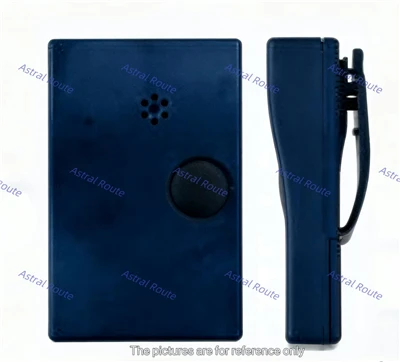
Electronic personal dosimeters help address this problem by displaying accumulated dose and, on suitable models, dose rate in real time. Configurable alarms can alert the wearer when predefined thresholds are reached.
For firefighters and rescue personnel, useful features include:
Clear displays that can be read quickly
Audible, visual, or vibration alarms
Real-time dose and dose-rate information
Lightweight designs suitable for personal wear
Reliable battery performance
Simple operation under stressful conditions
Alarm settings should be established in advance by the responsible radiation safety authority or incident command team, according to the emergency plan and applicable requirements. Responders must understand exactly what to do when an alarm activates.
A dosimeter does not identify every radiation hazard or determine whether an area is safe to enter. It is one component of a wider monitoring and incident-control system.
Portable Radiation Survey Meters for Scene Assessment
Personal dosimeters and survey meters serve different purposes.
A dosimeter tracks the exposure of an individual. A portable radiation survey meter helps trained personnel measure radiation levels at specific locations.
During a suspected radiological incident, survey meters may help specialist teams assess the scene, identify areas with elevated readings, establish monitoring points, and evaluate changing conditions.
When selecting a survey meter, buyers should consider:
Radiation types and energy ranges detectable
Dose-rate measurement range
Response time and measurement stability
Display readability in poor lighting
Battery life and field portability
Calibration and maintenance requirements
Suitability for the intended environmental conditions
Not every instrument can detect every radiation type or operate accurately across every possible radiation level. Equipment selection must reflect the department's anticipated hazards and operational procedures.
Why Real-Time Monitoring Matters During Rescue Operations
Emergency scenes change quickly. Fire suppression, structural collapse, ventilation, and the movement of personnel can all alter working conditions.
Real-time monitoring gives responders and supervisors more immediate information than passive dosimetry alone.
For example, during an incident involving a suspected radioactive source, a trained team may use survey instruments to assess radiation levels while responders wear electronic dosimeters to monitor personal exposure.
If readings change unexpectedly or a dose alarm activates, personnel can follow established procedures to withdraw, reassess conditions, and consult the radiation safety specialist.
This can improve situational awareness and support more disciplined decisions under pressure.
Radiation instruments do not replace incident command, specialist assessment, or established entry and evacuation protocols. Their value comes from being integrated into a well-rehearsed response plan.
Contamination Monitoring After the Initial Response
Detecting an external radiation field is not the same as identifying radioactive contamination.
Radioactive material may be deposited on protective clothing, gloves, equipment, or skin. A personal dosimeter alone cannot establish whether such contamination is present.
Where contamination is a credible risk, responders may need suitable contamination monitoring equipment and procedures for checking personnel and equipment before leaving controlled areas.
This capability can help teams identify contamination early, prevent it from spreading, and support decisions about isolation and decontamination.
The appropriate instrument depends on the radionuclides involved. Some contamination requires specialized detectors, and a general-purpose survey meter may not provide adequate sensitivity for every application.
What Buyers Should Evaluate Before Purchasing
For fire departments, emergency response agencies, and industrial rescue teams, the lowest purchase price is rarely the only meaningful consideration. Equipment must be suitable for the conditions in which it will actually be used.
A practical procurement assessment should cover five areas.
1. Intended emergency scenarios
Will the equipment support industrial accidents, suspected radioactive sources, contamination screening, or broader radiological response? Different scenarios require different instruments.
2. Personal and environmental monitoring
Determine whether the team needs individual electronic dosimeters, portable survey meters, contamination monitors, or a combination of these.
3. Operation with protective equipment
Check whether displays and alarms remain usable when responders wear helmets, gloves, breathing apparatus, or other PPE.
4. Maintenance and readiness
Confirm calibration requirements, functional checks, battery arrangements, replacement availability, and training needs.
5. Documentation and technical support
Request product specifications, applicable performance certifications, calibration information, operating instructions, and evidence supporting any claimed environmental protection ratings.
These checks help buyers avoid purchasing equipment that appears suitable on paper but does not match their operational requirements.
Radiation Monitoring Solutions from Astral Route
Astral Route supplies radiation detection equipment for industrial and radiation safety applications, including electronic personal dosimeters, neutron dosimeters, surface contamination monitors, and portable tritium monitors.
For fire and rescue organizations evaluating radiological response equipment, these product categories provide a starting point for identifying suitable monitoring capabilities.
Electronic personal dosimeters may support individual dose monitoring. Neutron dosimeters are relevant where neutron exposure is a credible hazard and the selected model is suitable for that radiation field. Surface contamination monitors support contamination assessment, while specialized tritium monitors are intended for applications involving tritium.
The appropriate combination depends on the incident scenarios, radiation types, operating conditions, and procedures established by the purchasing organization.
Astral Route can discuss application requirements with prospective buyers to help identify suitable product options. Departments planning a procurement can share their intended use, required radiation types, measurement ranges, quantity, and any relevant technical specifications when requesting a quotation.
See customized solutions here https://www.astralroutetech.com/radiation-dosimeter/
FAQ
What radiation detection equipment should a fire department purchase first?
The answer depends on the department's risk assessment. Electronic personal dosimeters and portable survey meters address different needs and may both be appropriate for teams preparing for radiological incidents. Specialist advice should guide the final equipment selection.
Can an electronic personal dosimeter detect radioactive contamination?
Not necessarily. Personal dosimeters primarily measure an individual's radiation exposure. Detecting radioactive material deposited on people, clothing, or surfaces may require a suitable contamination monitor.
Are neutron dosimeters necessary for every rescue team?
No. They are relevant when neutron exposure is a credible hazard, such as in certain specialized nuclear or radiation environments. Buyers should select equipment based on a documented hazard assessment.
What features matter most for emergency responders?
Readable displays, clear alarms, appropriate measurement ranges, reliable batteries, straightforward operation, and suitability for use with protective equipment are important considerations.
Can radiation detection equipment replace specialist radiation teams?
No. Detection instruments support assessment and decision-making, but they do not replace radiation safety expertise, trained personnel, incident command, or established emergency response procedures.
Preparing for the Hazards That Cannot Be Seen
For fire and rescue teams, effective radiological preparedness begins before an emergency occurs. The right equipment, supported by training, calibration, maintenance, and clear response procedures, helps responders recognize hazards and manage personal exposure more effectively.
For departments and industrial emergency teams reviewing their equipment inventories, Astral Route offers a range of radiation monitoring products to consider. Share your intended application and technical requirements to discuss suitable options for your team.