Non-destructive testing (NDT) plays a critical role in ensuring the safety and reliability of industrial assets. Among the many inspection methods available today, gamma radiography remains one of the most trusted techniques for detecting internal defects that cannot be seen from the surface.
From oil and gas pipelines to pressure vessels, offshore structures, and nuclear components, gamma radiography helps inspectors evaluate weld quality and structural integrity without damaging the equipment being tested.
Although newer technologies such as phased-array ultrasonic testing continue to gain popularity, gamma radiography remains an essential inspection tool in many industries because of its unique ability to provide a permanent visual record of internal defects.
Understanding how gamma radiography works can help facility owners, engineers, and inspection contractors better appreciate its value and the importance of proper radiation safety practices.
What Is Gamma Radiography?
Gamma radiography, often referred to as RT (Radiographic Testing), is an NDT method that uses gamma rays to examine the internal structure of materials and welded joints.
A radioactive source emits gamma radiation, which passes through the object being inspected. A radiographic film or digital detector positioned on the opposite side captures the radiation that penetrates the material.
Because different materials and defects absorb radiation differently, variations appear on the resulting image. These variations allow inspectors to identify flaws hidden inside the component.
Common defects detected through gamma radiography include:
Porosity
Slag inclusions
Lack of fusion
Cracks
Voids
Incomplete penetration
The ability to visualize these defects makes gamma radiography one of the most reliable inspection methods for critical infrastructure.
The Basic Principle Behind Gamma Radiography
The principle of gamma radiography is similar to a medical X-ray.
When gamma rays travel through a material, part of the radiation is absorbed. Areas with greater density or thickness absorb more radiation, while thinner sections or internal defects allow more radiation to pass through.
The detector records these differences, producing an image that reveals the internal condition of the component.
A sound weld typically appears uniform on the radiograph.
Defects such as cavities, inclusions, or cracks create contrast variations that trained radiographers can interpret and evaluate according to applicable inspection standards.
Common Gamma Sources Used in Industrial Radiography
Several radioactive isotopes are commonly used in industrial radiography.
Iridium-192
Iridium-192 is one of the most widely used gamma sources in NDT.
Its advantages include:
Good penetration capability
Compact source size
Excellent portability
Suitable for pipeline and refinery inspections
Because of its versatility, Iridium-192 is frequently used during field radiography projects.
Selenium-75
Selenium-75 offers improved image quality for certain applications and lower radiation energy than Iridium-192.
It is often selected for:
Thin-wall piping
Corrosion-sensitive inspections
High-resolution weld evaluations
Cobalt-60
Cobalt-60 produces higher-energy gamma rays and is commonly used for thicker materials.
Typical applications include:
Heavy-wall pressure vessels
Large structural components
Nuclear industry equipment
The choice of source depends on material thickness, inspection requirements, and operational conditions.
Step-by-Step Gamma Radiography Process
While equipment configurations vary, most gamma radiography inspections follow a similar workflow.
Step 1: Preparing the Inspection Area
Before testing begins, the inspection area is evaluated and secured.
Radiation safety personnel establish exclusion zones to prevent unauthorized access during source exposure.
Warning signs, barriers, and radiation monitoring instruments are typically deployed.
Step 2: Positioning the Source
The radioactive source is placed on one side of the component being inspected.
In pipeline radiography, the source is often positioned near the weld area using specialized exposure devices and guide tubes.
Proper source positioning is essential for obtaining a clear image.
Step 3: Installing the Film or Detector
A radiographic film or digital detector is positioned on the opposite side of the component.
The detector must be aligned correctly to capture the radiation passing through the material.
Any misalignment can affect image quality and inspection accuracy.
Step 4: Conducting the Exposure
The radioactive source is remotely exposed for a predetermined period.
Gamma rays pass through the material and reach the detector.
The exposure time depends on factors such as:
Material thickness
Source activity
Inspection geometry
Required image quality
Once the exposure is complete, the source is safely returned to its shielded container.
Step 5: Image Evaluation
The radiographic image is processed and reviewed by certified inspectors.
The resulting image provides a permanent record of the inspection.
Inspectors evaluate the radiograph according to applicable standards such as:
ASME
API
ISO
EN standards
Defects are identified, measured, and assessed for acceptance or rejection.
Why Gamma Radiography Remains Important
Despite advancements in alternative NDT technologies, gamma radiography continues to offer several significant advantages.
Permanent Inspection Records
One of the biggest advantages of RT is the ability to create permanent visual documentation.
These records can be:
Archived
Audited
Reviewed by third-party inspectors
Used for future integrity assessments
This level of traceability is particularly important in highly regulated industries.
Effective Internal Defect Detection
Gamma radiography excels at detecting volumetric defects inside welds and components.
For many critical applications, it remains one of the most reliable methods for identifying internal flaws.
Portability in Field Environments
Unlike some X-ray systems, gamma radiography equipment can be used in remote locations without requiring external power sources.
This makes it highly suitable for:
Pipeline construction projects
Offshore platforms
Refinery shutdowns
Remote industrial sites
Radiation Safety Is a Critical Part of RT Operations
While gamma radiography offers excellent inspection capabilities, it also involves exposure to ionizing radiation.
Strict safety procedures are required to protect workers and nearby personnel.
Modern RT operations typically utilize:
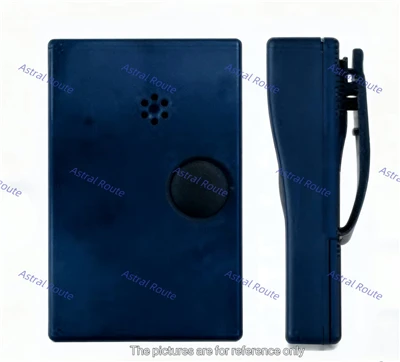
Electronic personal dosimeters
Portable radiation survey meters
Area radiation monitors
Access control systems
Radiation alarm devices
These systems help ensure that radiation exposure remains within regulatory limits.
During refinery shutdowns, offshore inspections, and nuclear maintenance projects, real-time radiation monitoring has become increasingly important for maintaining both safety and compliance.
Supporting Safer Radiography Operations
As industrial projects become more complex, radiation safety expectations continue to increase.
Facility operators and inspection contractors are seeking better visibility into radiation conditions and worker exposure.
Companies such as Astral Route provide radiation monitoring solutions designed to support modern radiography operations, including electronic personal dosimeters, portable radiation survey meters, contamination monitors, and area monitoring systems.
These technologies help RT teams improve operational awareness while maintaining compliance with radiation protection requirements.
FAQ
What is gamma radiography used for?
Gamma radiography is used to inspect welds, pipelines, pressure vessels, structural components, and other industrial assets for internal defects.
Why is gamma radiography preferred for pipeline inspections?
It provides reliable internal weld imaging and creates permanent inspection records that can be used for quality verification and regulatory compliance.
What is the difference between gamma radiography and X-ray radiography?
Both methods use radiation to create images. Gamma radiography uses radioactive isotopes, while X-ray radiography uses electrically generated X-rays.
Is gamma radiography safe?
Yes, when proper radiation safety procedures, monitoring equipment, and trained personnel are in place.
Why do RT workers wear electronic dosimeters?
Electronic personal dosimeters provide real-time exposure monitoring and alarm functions, helping workers maintain awareness of radiation conditions during inspections.
Final Thoughts
Gamma radiography remains one of the most effective and widely accepted NDT methods for evaluating internal weld quality and structural integrity. Its ability to detect hidden defects, generate permanent records, and operate effectively in challenging field environments continues to make it indispensable across oil and gas, petrochemical, offshore, and nuclear industries.
As inspection projects become more demanding and safety requirements continue to evolve, combining reliable radiographic testing with modern radiation monitoring solutions is essential for maintaining both operational efficiency and worker protection.