Radiographic testing (RT) remains one of the most powerful non-destructive testing methods used in modern industry. It is also one of the most safety-sensitive.
Every time a gamma source is exposed or an X-ray system is activated, ionizing radiation is introduced into a working environment that is often shared with multiple contractors, shifting schedules, and tight deadlines.
Refinery shutdowns, offshore maintenance campaigns, pipeline construction projects, and nuclear facility outages all depend on RT to verify weld integrity and structural safety. At the same time, these environments create conditions where radiation safety discipline is constantly tested.
Most radiation incidents in RT do not come from a single major failure. They tend to arise from small procedural gaps, communication issues, or weak control of routine practices.
That is why strong radiation protection habits are essential for every RT operator, regardless of experience level.
Understanding the Core Principle: Time, Distance, and Shielding
At the foundation of radiation protection is a simple principle that applies across all RT operations:
Time: Reduce exposure duration whenever possible
Distance: Increase separation from the radiation source
Shielding: Use appropriate barriers to reduce radiation intensity
Although simple in theory, applying these principles consistently in real industrial environments is more challenging.
During refinery shutdowns or offshore inspections, operators often work under pressure, surrounded by multiple active work fronts. In these conditions, safety fundamentals must be applied deliberately rather than assumed.
Proper Establishment of Controlled Areas
One of the most important responsibilities of RT operators is ensuring that exclusion zones are correctly established before exposure begins.
This includes:
Defining radiation boundaries based on source strength and geometry
Installing physical barriers and warning signs
Preventing unauthorized entry into controlled areas
Verifying that all personnel are accounted for before exposure
Controlled areas are not just regulatory requirements-they are the primary defense against unintended radiation exposure.
In busy shutdown environments, these zones can easily be compromised by overlapping contractor activities. Continuous verification is essential.
Real-Time Radiation Monitoring Is No Longer Optional
Modern RT operations increasingly rely on real-time radiation monitoring rather than delayed reporting.
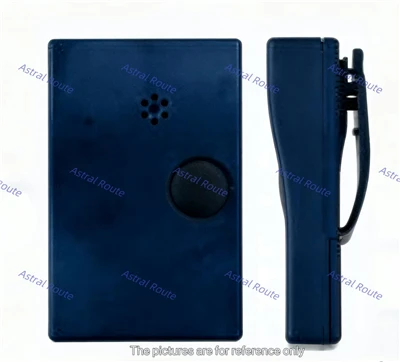
Electronic personal dosimeters (EPDs) and portable survey meters allow operators to:
Monitor live dose rates
Track cumulative exposure during operations
Receive immediate alarm alerts
Respond quickly to abnormal radiation conditions
This is especially important in situations such as:
Night-shift radiography
Confined-space inspections
Offshore platform maintenance
High-traffic refinery shutdown zones
Without real-time monitoring, exposure risks may only be identified after the fact, when corrective action is no longer possible.
Strict Source Control and Accountability
Gamma radiography sources must be treated with strict control procedures at all times.
Best practices include:
Verifying source condition before deployment
Maintaining secure transport containers
Ensuring positive control during exposure operations
Confirming source return after every inspection
Conducting independent checks when required
Source handling errors are among the most serious risks in RT operations. Even small procedural deviations can lead to significant safety consequences.
Strong accountability systems reduce the likelihood of accidental exposure or lost source incidents.
Communication Discipline During RT Operations
Clear communication is one of the most underestimated safety factors in radiographic testing.
Before exposure, all involved personnel must confirm:
Inspection location
Source activity and exposure time
Boundary conditions
Emergency procedures
Clear "all personnel accounted for" confirmation
In complex shutdown environments, communication failures often occur due to:
Multiple contractors working in close proximity
Radio interference or poor signal coverage
Language differences on multinational projects
Fatigue during extended operations
Standardized communication protocols help reduce confusion and ensure coordinated safety actions.
Managing Radiation Risks in Confined Spaces
Confined-space RT work introduces additional challenges that require heightened safety awareness.
These environments include:
Storage tanks
Pressure vessels
Piping systems
Offshore modules
Reactor auxiliary spaces
Key risks include limited escape routes, reduced visibility, and proximity to radiation sources.
Best practices for confined-space RT include:
Pre-entry radiation surveys
Continuous monitoring during operations
Dedicated safety attendants outside the space
Strict control of entry/exit points
Immediate suspension of work if conditions change
Confined-space radiography demands a higher level of coordination and monitoring compared to open-area inspections.
Night Shift Radiation Safety Considerations
Night-time RT operations are common in refineries and offshore projects, but they introduce unique risks.
Reduced lighting, fatigue, and smaller supervision teams can all affect safety performance.
Operators should ensure:
Adequate lighting in controlled zones
Increased reliance on electronic dosimeters with alarms
Frequent communication checks between team members
Clear visibility of exclusion zone boundaries
Shorter, more controlled exposure cycles when possible
Fatigue-related errors are more likely during overnight operations, making procedural discipline even more important.
Equipment Reliability and Calibration Control
Radiation protection depends heavily on the reliability of monitoring equipment.
Survey meters, dosimeters, and area monitors must be:
Properly calibrated
Functionally tested before use
Maintained according to manufacturer requirements
Stored in controlled conditions when not in use
Outdated or poorly maintained equipment can provide inaccurate readings, leading to unsafe operational decisions.
Many RT contractors are now upgrading to digital radiation monitoring systems to improve reliability and simplify calibration management.
Emergency Preparedness and Response Readiness
Even with strong safety systems in place, RT operators must always be prepared for unexpected events.
Emergency readiness includes:
Immediate source retrieval procedures
Clear evacuation protocols
Backup communication systems
Access to radiation emergency equipment
Trained personnel for incident response
Regular drills help ensure that teams can respond quickly and effectively under real conditions.
In high-risk environments such as nuclear facilities or large refinery shutdowns, emergency preparedness is a key part of compliance requirements.
Building a Safety-First Operational Culture
Technical controls alone are not enough to ensure radiation safety.
The most effective RT organizations develop a strong safety culture where:
Procedures are followed consistently
Workers feel responsible for safety outcomes
Reporting of near-misses is encouraged
Safety decisions are not overridden by schedule pressure
This culture becomes especially important in fast-paced industrial projects where deadlines can sometimes create operational stress.
A strong safety culture ensures that protection practices remain stable even under pressure.
The Role of Modern Radiation Monitoring Systems
As industrial radiography becomes more complex, radiation monitoring technology continues to evolve.
Modern systems now provide:
Real-time exposure tracking
Integrated alarm systems
Digital dose records
Centralized monitoring capabilities
Improved field durability
Companies such as Astral Route support RT operations with radiation protection solutions including electronic personal dosimeters, portable survey meters, neutron detectors, and contamination monitoring systems designed for demanding industrial environments.
These tools help operators maintain better awareness of radiation conditions while improving compliance and operational control.
FAQ
What is the most important radiation protection rule in RT?
The combination of time, distance, and shielding remains the fundamental principle for all radiation protection activities.
Why are electronic dosimeters important for RT operators?
They provide real-time exposure data and alarms, helping workers respond immediately to changing radiation conditions.
How can RT operators reduce radiation exposure?
By minimizing time near sources, maximizing distance, using proper shielding, and following strict operational procedures.
Why is confined-space RT more dangerous?
Because of limited mobility, reduced visibility, and closer proximity to radiation sources.
Are radiation monitoring devices required for RT work?
Yes. Most regulatory frameworks require personal dosimetry and area monitoring during radiographic operations.
Final Thoughts
Radiation protection in RT operations is not a single procedure-it is a combination of discipline, awareness, and continuous monitoring.
From refinery shutdowns to offshore inspections and nuclear maintenance projects, RT operators work in environments where conditions can change quickly and safety margins must be actively maintained.
Strong radiation protection practices, supported by reliable monitoring equipment and a well-trained workforce, remain the foundation of safe and efficient radiographic testing operations.
As industry expectations continue to rise, the integration of real-time radiation monitoring and structured safety systems will play an increasingly important role in protecting workers and maintaining operational reliability.