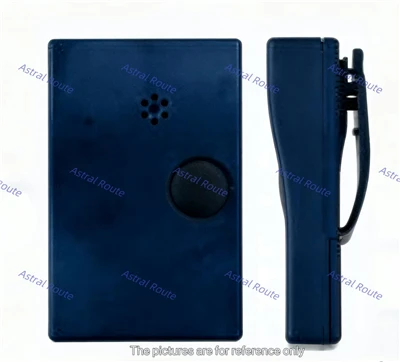
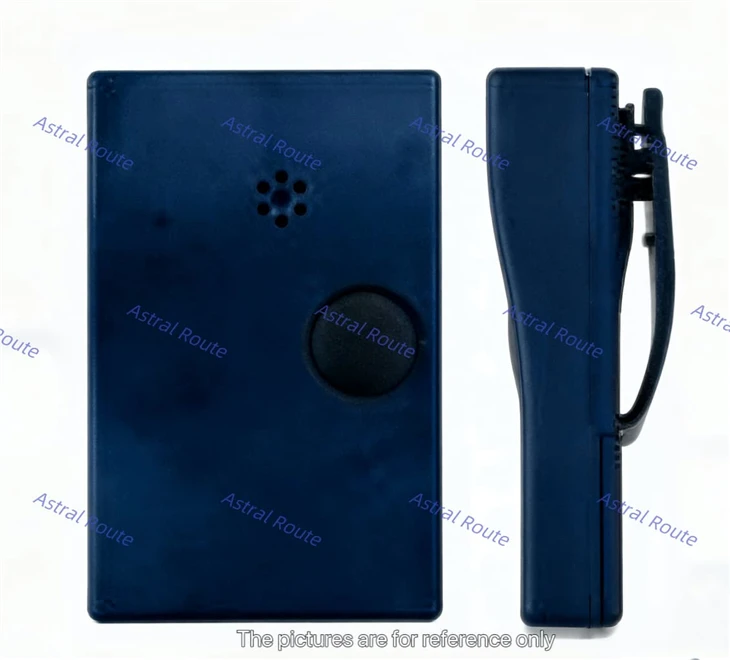
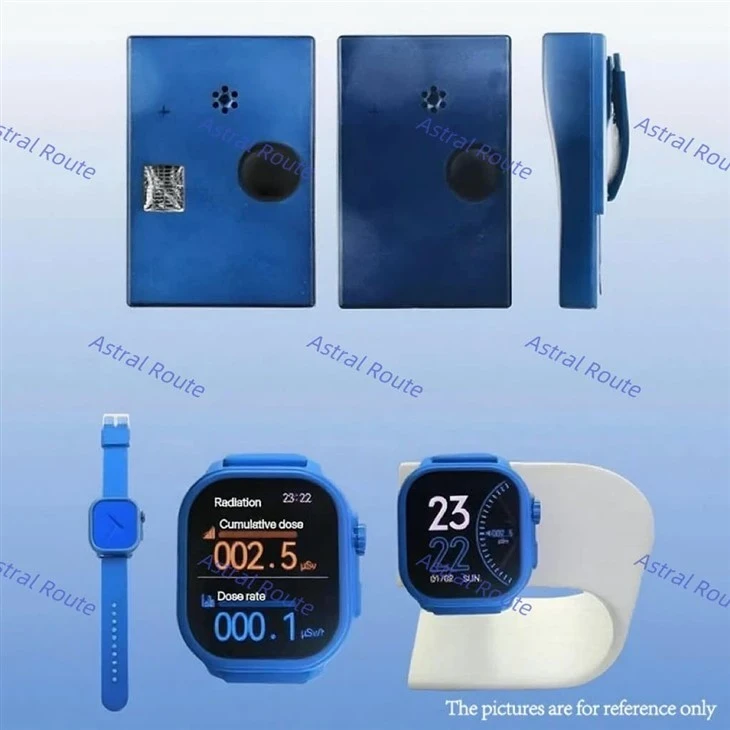
Setting the alarm threshold of a Portable Tritium Monitor is a crucial task that requires a good understanding of both the device and the environment in which it'll be used. As a supplier of Portable Tritium Monitors, I've seen firsthand how important it is to get this right. In this blog, I'll share some tips on how you can set the alarm threshold for your monitor effectively.
Understanding Tritium and Its Risks
Before we dive into setting the alarm threshold, let's quickly go over what tritium is and why monitoring it is important. Tritium is a radioactive isotope of hydrogen. It's produced naturally in the upper atmosphere by cosmic rays and is also generated in nuclear reactors and nuclear weapon tests. While tritium emits relatively low - energy beta radiation, which can't penetrate the skin, it can be dangerous if ingested or inhaled.
Exposure to high levels of tritium can lead to an increased risk of cancer and other health issues over time. That's why having a reliable Portable Tritium Monitor is so important, especially in environments where tritium may be present, like nuclear power plants or research facilities.
Factors to Consider When Setting the Alarm Threshold
1. Regulatory Requirements
One of the first things you need to consider when setting the alarm threshold is the regulatory requirements in your area. Different countries and regions have different limits for tritium exposure. For example, in the United States, the Environmental Protection Agency (EPA) has set specific guidelines for tritium in drinking water and air. Make sure you're familiar with these regulations and set your alarm threshold accordingly. You can find more information on radiation monitoring regulations and dosimeters at Radiation Dosimeter For Nuclear Power Plants.
2. Nature of the Work Environment
The type of work environment where the Portable Tritium Monitor will be used also plays a big role in setting the alarm threshold. If you're working in a nuclear power plant, where the potential for tritium release is higher, you might want to set a lower alarm threshold compared to a research laboratory where tritium use is more controlled. For more insights on radiation monitoring in different work environments, check out Radiation Monitoring For Contractors.
3. Background Radiation Levels
Background radiation is always present in the environment, and it can vary depending on your location. You need to measure the background radiation levels in the area where the monitor will be used. This will give you a baseline reading and help you set the alarm threshold above the normal background levels. If the alarm goes off at a level too close to the background radiation, it'll result in false alarms, which can be annoying and may lead to complacency.
4. Type of Personnel and Their Sensitivity
The people who will be working in the area being monitored also need to be considered. Some workers, such as those with pre - existing health conditions, may be more sensitive to radiation exposure. In such cases, you might want to set a lower alarm threshold to ensure their safety.
Steps to Set the Alarm Threshold
1. Initial Assessment
Start by conducting an initial assessment of the work area. Measure the background radiation levels over a period of time to get an accurate average. You can use a Gamma Radiation Dosimeter for this purpose. Note down these readings and any other relevant information about the area, such as the type of work being done and the presence of any potential tritium sources.
2. Review Regulatory Limits
Research the regulatory limits for tritium exposure in your region. Make sure your alarm threshold is set at a level that complies with these regulations. If the regulatory limit is set at a certain concentration of tritium in the air, for example, your alarm threshold should be at or below this level.
3. Consider Risk Factors
Evaluate the specific risk factors in the work environment. If there are processes that could potentially release large amounts of tritium, you may want to set a lower alarm threshold. On the other hand, if the tritium use is minimal and well - controlled, you can set a slightly higher threshold.
4. Test and Adjust
Once you've set an initial alarm threshold, test the monitor in the actual work environment. Allow it to run for a while and observe if there are any false alarms. If there are false alarms, you may need to adjust the threshold upwards. If the monitor fails to detect an elevated tritium level during a known release - test, you may need to lower the threshold.
Common Mistakes to Avoid
- Setting the Threshold Too High: This can be extremely dangerous as it may allow for high levels of tritium exposure before the alarm goes off. Workers may be exposed to harmful radiation without even knowing it.
- Setting the Threshold Too Low: While it may seem like a safe option, setting the threshold too low can result in frequent false alarms. This can lead to workers ignoring the alarms, which defeats the purpose of having a monitor in the first place.
- Not Updating the Threshold: As the work environment changes, such as new processes being introduced or changes in regulatory requirements, you need to update the alarm threshold accordingly.
How to Choose the Right Portable Tritium Monitor
If you're in the market for a Portable Tritium Monitor, there are a few things to keep in mind. You can find more detailed information on How To Choose Radiation Dosimeter.
- Accuracy: The monitor should be accurate in detecting tritium levels. Look for models with high - quality sensors and good calibration procedures.
- Portability: Since it's a portable monitor, it should be easy to carry around and use in different locations. Consider the size, weight, and battery life of the device.
- Alarm Features: The monitor should have clear and audible alarms. Some models also come with visual alarms or the ability to connect to a central monitoring system.
- Data Logging: It's useful if the monitor can log data over time. This can help you analyze tritium levels and identify trends.
Conclusion
Setting the alarm threshold of a Portable Tritium Monitor is a complex but essential task. By considering regulatory requirements, the nature of the work environment, background radiation levels, and the sensitivity of personnel, you can set an appropriate alarm threshold that ensures the safety of everyone in the area.
If you're interested in purchasing a Portable Tritium Monitor or need more information on setting the alarm threshold, feel free to reach out. Our team of experts is always ready to assist you in making the right choice for your specific needs.
References
- EPA. (2023). Regulations on Tritium Exposure.
- ICRP. (2022). International Commission on Radiological Protection Recommendations.