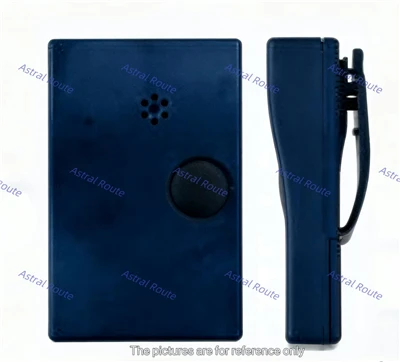
How does an Electronic Personal Radiation Dosimeter measure radiation dose?
As a supplier of Electronic Personal Radiation Dosimeters, I am often asked about how these devices accurately measure radiation dose. In this blog post, I will delve into the fascinating mechanisms behind these essential safety tools.
The Basics of Radiation and Dosimetry
Before understanding how Electronic Personal Radiation Dosimeters (EPRDs) work, it's crucial to grasp the concept of radiation and dosimetry. Radiation exists in various forms, including alpha particles, beta particles, gamma rays, and neutrons. Each type of radiation interacts differently with matter, and dosimetry is the science of measuring the amount of radiation absorbed by an object or person.
The radiation dose is typically expressed in units such as the gray (Gy) for absorbed dose, which measures the energy deposited per unit mass, and the sievert (Sv) for equivalent dose, which takes into account the biological effectiveness of different types of radiation.
Components of an Electronic Personal Radiation Dosimeter
An EPRD consists of several key components that work together to detect and measure radiation. These components include a radiation detector, a signal processing unit, a display, and a power source.
Radiation Detector
The radiation detector is the heart of the EPRD, responsible for converting radiation into an electrical signal. There are several types of detectors commonly used in EPRDs, each with its own advantages and limitations.
- Geiger - Muller (GM) Tubes: These are one of the most widely used detectors in EPRDs. A GM tube contains a gas - filled chamber with a central electrode. When radiation enters the tube, it ionizes the gas, creating a shower of electrons and ions. This ionization event generates a brief electrical pulse that can be counted. GM tubes are sensitive to a wide range of radiation types, including gamma rays and beta particles. However, they are less suitable for measuring very low radiation doses accurately.
- Scintillation Detectors: Scintillation detectors use a scintillator material that emits light when struck by radiation. This light is then converted into an electrical signal by a photomultiplier tube or a solid - state photodetector. Scintillation detectors are highly sensitive and can provide more accurate dose measurements compared to GM tubes, especially for low - level radiation. They are often used in applications where precise dosimetry is required, such as in medical and nuclear research.
- Semiconductor Detectors: Semiconductor detectors, such as silicon diodes, are based on the principle of semiconductor physics. When radiation interacts with the semiconductor material, it creates electron - hole pairs, which can be collected and measured as an electrical signal. Semiconductor detectors offer high resolution and can distinguish between different types of radiation based on their energy. They are commonly used in portable EPRDs due to their compact size and low power consumption.
Signal Processing Unit
Once the radiation detector generates an electrical signal, the signal processing unit takes over. This unit amplifies the weak electrical signal from the detector, filters out noise, and converts the signal into a digital format. The digital signal is then processed to calculate the radiation dose rate and the cumulative dose. The signal processing unit may also include algorithms to correct for factors such as detector efficiency, background radiation, and the type of radiation being detected.
Display
The display of an EPRD provides the user with real - time information about the radiation dose rate and the cumulative dose. Modern EPRDs typically have a liquid crystal display (LCD) or an organic light - emitting diode (OLED) display that can show numerical values, graphs, and alarm indicators. Some EPRDs also support wireless communication, allowing the user to transfer data to a computer or a smartphone for further analysis and monitoring.
Power Source
Most EPRDs are powered by batteries, such as lithium - ion batteries or rechargeable alkaline batteries. The power source provides the necessary energy to operate the detector, the signal processing unit, and the display. Some EPRDs are designed to have a long battery life, allowing continuous use for several days or even weeks without the need for recharging.
Measuring Radiation Dose
The process of measuring radiation dose with an EPRD involves several steps.
Detection of Radiation
When radiation enters the detector, it interacts with the detector material, causing ionization or excitation events. The detector converts these events into electrical signals, which are then sent to the signal processing unit.

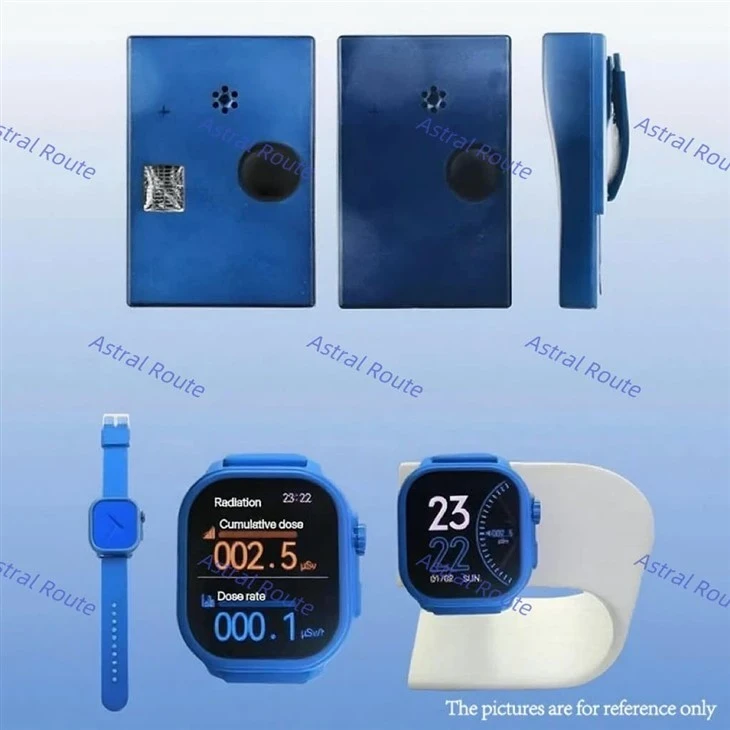
Signal Amplification and Processing
The signal processing unit amplifies the weak electrical signals from the detector and filters out any noise or interference. The amplified signals are then digitized and processed using algorithms to determine the number of radiation events detected. Based on the type of detector and the calibration factor, the signal processing unit can calculate the radiation dose rate, which is the amount of radiation absorbed per unit time.
Cumulative Dose Calculation
In addition to the dose rate, many EPRDs also calculate the cumulative dose, which is the total amount of radiation absorbed over a period of time. The cumulative dose is important for monitoring long - term radiation exposure and ensuring that the user does not exceed the recommended safety limits. The signal processing unit keeps a running total of the radiation dose by integrating the dose rate over time.
Alarm Function
Most EPRDs are equipped with an alarm function to alert the user when the radiation dose rate or the cumulative dose exceeds a pre - set threshold. The alarm can be a visual alarm, such as a flashing light, or an audible alarm, such as a beep or a siren. This feature helps to protect the user from overexposure to radiation by providing an early warning.
Applications of Electronic Personal Radiation Dosimeters
EPRDs are used in a wide range of applications where radiation exposure is a concern.
- Nuclear Power Plants: Workers in nuclear power plants are exposed to various types of radiation, including gamma rays and neutrons. EPRDs are used to monitor their radiation exposure and ensure that they work within the safety limits.
- Medical Imaging: In medical facilities, EPRDs are worn by radiologists, technicians, and other healthcare workers who are exposed to ionizing radiation during procedures such as X - rays, CT scans, and nuclear medicine.
- Industrial Radiography: Electronic Personal Dosimeter For Industrial Radiography is used in industrial settings to inspect welds, pipelines, and other structural components using radiation sources. Workers in this field need to monitor their radiation exposure to prevent overexposure.
- Radiation Therapy: In cancer treatment, radiation therapists use high - energy radiation to kill cancer cells. EPRDs are used to ensure that the patient receives the correct dose of radiation and to protect the healthcare workers from unnecessary exposure.
- Emergency Response: During nuclear accidents or radiological emergencies, EPRDs are essential for first responders and emergency workers to assess the radiation levels and protect themselves from radiation exposure.
Different Types of Radiation Dosimeters
There are different types of radiation dosimeters available in the market, each designed for specific applications.
- Gamma Radiation Dosimeter: These dosimeters are specifically designed to measure gamma radiation, which is a high - energy electromagnetic radiation. Gamma radiation dosimeters are commonly used in nuclear power plants, medical facilities, and industrial settings where gamma radiation sources are present.
- Neutron Radiation Dosimeter: Neutrons are uncharged particles that can penetrate deeply into materials. Neutron radiation dosimeters are used in nuclear reactors, particle accelerators, and other facilities where neutron radiation is a concern.
- Radiation Dosimeter With Alarm: As mentioned earlier, these dosimeters are equipped with an alarm function to alert the user when the radiation levels exceed a certain threshold. They are widely used in various industries to ensure the safety of workers.
- Radiation Safety Equipment For Industrial Inspection: This type of equipment includes a range of dosimeters and other safety devices used in industrial inspection processes to ensure that workers are protected from radiation exposure.
Conclusion
Electronic Personal Radiation Dosimeters are essential tools for measuring radiation dose and protecting individuals from the harmful effects of radiation. By understanding the principles behind how these devices work, users can make informed decisions about their radiation safety. Whether you are working in a nuclear power plant, a medical facility, or an industrial setting, having a reliable EPRD is crucial.
If you are interested in purchasing high - quality Electronic Personal Radiation Dosimeters or need more information about our products, please feel free to contact us for a procurement discussion. We are committed to providing you with the best radiation safety solutions.
References
- Knoll, Glenn F. Radiation Detection and Measurement. John Wiley & Sons, 2010.
- Attix, Frank H. Introduction to Radiological Physics and Radiation Dosimetry. Wiley - Interscience, 1986.