


As a supplier of Control Panels On Aircrafts, I've witnessed firsthand how these crucial components play a pivotal role in supporting flight operations across diverse weather conditions. In this blog, I'll delve into the ways our control panels contribute to safe and efficient flights, regardless of what Mother Nature throws at us.

Navigating Through Clear Skies
Under ideal weather conditions, our control panels provide pilots with a comprehensive overview of the aircraft's systems. They display vital information such as altitude, airspeed, heading, and engine performance. This real - time data allows pilots to make informed decisions and maintain optimal flight parameters. For instance, the airspeed indicator on our control panels helps pilots adjust the aircraft's speed to achieve maximum fuel efficiency. In clear skies, this can lead to significant cost savings over long - haul flights.
Our control panels are also equipped with advanced navigation systems. These systems use GPS technology to provide accurate positioning information. Pilots can plot their routes with precision, avoiding restricted airspace and other potential hazards. The intuitive interface of our control panels makes it easy for pilots to input waypoints and adjust their flight paths as needed.
Soaring Through Cloudy and Turbulent Conditions
Cloudy weather can reduce visibility, making it challenging for pilots to navigate visually. Our control panels come to the rescue by providing enhanced situational awareness. The weather radar system integrated into our control panels can detect clouds, precipitation, and areas of turbulence ahead. Pilots can then adjust their flight paths to avoid the worst of the weather.
The autopilot feature on our control panels is particularly useful in turbulent conditions. It can maintain the aircraft's stability by automatically adjusting the control surfaces in response to the changing air currents. This reduces the workload on the pilots, allowing them to focus on monitoring the situation and making strategic decisions.
In addition, our control panels are designed to withstand the vibrations and shocks associated with turbulent flights. The high - quality components and robust construction ensure that the panels continue to function reliably, providing accurate information even in the most challenging conditions.
Battling Icing Conditions
Icing is a serious threat to aircraft safety. When ice accumulates on the wings, tail, and other critical surfaces, it can disrupt the airflow and reduce the aircraft's lift. Our control panels are equipped with ice detection systems that can alert pilots to the presence of ice. These systems use sensors to detect changes in temperature, humidity, and the formation of ice on the aircraft's surfaces.
Once ice is detected, the control panels can activate the aircraft's de - icing systems. These systems can use heated elements or chemical agents to remove the ice from the critical surfaces. The control panels also provide information on the status of the de - icing systems, ensuring that they are operating effectively.
Flying in Low - Visibility Conditions
Fog, heavy rain, and snow can all reduce visibility to dangerous levels. In such conditions, our control panels provide pilots with the tools they need to fly safely. The instrument landing system (ILS) interface on our control panels allows pilots to perform precision approaches and landings in low - visibility conditions. The ILS provides guidance on the aircraft's lateral and vertical position relative to the runway, helping pilots align the aircraft for a safe landing.
The heads - up display (HUD) on our control panels is another valuable feature in low - visibility conditions. It projects critical flight information, such as airspeed, altitude, and heading, directly onto the pilot's line of sight. This allows pilots to keep their eyes on the outside environment while still having access to the essential data they need to fly the aircraft.
The Importance of Reliability and Maintenance
As a supplier of Control Panels On Aircrafts, we understand the importance of reliability. Our control panels are rigorously tested to ensure that they meet the highest standards of quality and performance. We use only the best materials and components, and our manufacturing processes are closely monitored to ensure consistency.
However, even the most reliable control panels require regular maintenance. That's why we also offer Galley Repair Services for Passenger Aircraft and other related maintenance services. Our team of experienced technicians can perform routine inspections, repairs, and upgrades on our control panels to ensure that they continue to function optimally.
Additional Interior Components for a Comfortable Flight
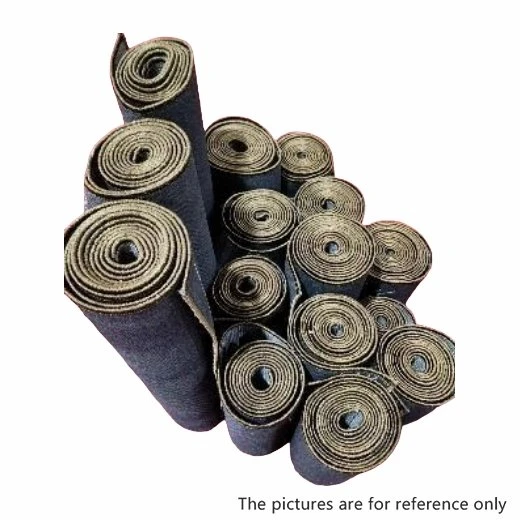
In addition to our control panels, we also supply Aircraft Cabin Carpet. A well - maintained cabin interior is essential for passenger comfort. Our aircraft cabin carpets are designed to be durable, stain - resistant, and easy to clean. They also add a touch of luxury to the aircraft's interior, enhancing the overall passenger experience.
Contact Us for Your Aviation Needs
If you're in the market for high - quality control panels, galley repair services, or aircraft cabin carpets, we'd love to hear from you. Our team of experts can provide you with detailed information about our products and services, and help you find the solutions that best meet your needs. Whether you're an airline operator, a private aircraft owner, or an aviation maintenance provider, we have the expertise and the products to support your operations. Contact us today to start a conversation about your aviation requirements and discover how our products can contribute to safer, more efficient, and more comfortable flights.
References
- Aircraft Systems Handbook, Federal Aviation Administration (FAA)
- Introduction to Flight, John D. Anderson
- Weather Flying, Robert Buck


