


Aircraft safety is a top priority in the aviation industry, and every single component plays a crucial role in ensuring that planes can operate smoothly and safely. As a supplier of Hinge For Aircrafts, I've seen firsthand how these seemingly small parts can have a huge impact on an aircraft's safety. In this blog, I'll break down how aircraft hinges contribute to the overall safety of an aircraft.
Structural Integrity
First off, let's talk about how hinges help maintain the structural integrity of an aircraft. Aircraft hinges are used in various areas, such as doors, access panels, and flaps. These hinges are designed to withstand extreme conditions, including high pressures, vibrations, and temperature variations.
For example, the hinges on aircraft doors need to be strong enough to keep the doors securely closed during flight. If a door were to open mid - flight due to a faulty hinge, it could lead to a catastrophic loss of cabin pressure. This would not only endanger the lives of passengers and crew but also cause serious damage to the aircraft's structure.
Similarly, access panels on the aircraft's exterior are held in place by hinges. These panels provide maintenance crews with access to critical components like wiring, hydraulics, and fuel systems. A well - functioning hinge ensures that these panels stay firmly attached, protecting the internal systems from the harsh external environment. Any loose or damaged panel due to a faulty hinge could disrupt the airflow around the aircraft, affecting its aerodynamics and potentially leading to instability.
Flight Control
Aircraft hinges are also vital for flight control. Flaps and ailerons, which are essential for controlling the aircraft's lift, descent, and turning, rely on hinges to function properly. Flaps are extended during takeoff and landing to increase the lift generated by the wings. Ailerons, on the other hand, are used to control the aircraft's roll.
The hinges on these control surfaces must be precise and durable. They need to allow for smooth movement while maintaining the correct alignment. If a hinge on a flap or aileron fails, it can lead to uneven movement of the control surface. This uneven movement can cause the aircraft to become difficult to control, increasing the risk of accidents. For instance, if one aileron moves differently from the other due to a hinge problem, the aircraft may roll unexpectedly, making it challenging for the pilot to keep the plane on course.
Safety in Emergency Situations
In emergency situations, aircraft hinges can be a lifesaver. Take the emergency exits, for example. These exits are equipped with hinges that are designed to open quickly and easily in case of an evacuation. The hinges need to be reliable, even after years of use and exposure to various environmental conditions.
During an emergency landing or a fire on board, passengers and crew need to be able to exit the aircraft rapidly. A malfunctioning hinge on an emergency exit could prevent people from getting out, putting their lives at risk. That's why regular inspection and maintenance of these hinges are so important. We, as a Hinge For Aircrafts supplier, ensure that our hinges meet the highest safety standards to guarantee that emergency exits can function as intended when it matters most.
Maintenance and Inspection
As an aircraft hinge supplier, I know that proper maintenance and inspection are key to ensuring the safety of these components. Airlines and maintenance crews need to regularly check the hinges for signs of wear and tear, corrosion, or damage.
Corrosion is a common issue, especially in aircraft that operate in humid or salty environments. Even a small amount of corrosion can weaken the hinge over time, reducing its strength and functionality. By conducting regular inspections, maintenance crews can identify and replace any damaged hinges before they cause problems.
We also provide detailed maintenance guidelines to our customers. These guidelines include information on how to clean, lubricate, and adjust the hinges to keep them in optimal condition. By following these guidelines, airlines can extend the lifespan of the hinges and improve the overall safety of their aircraft.

Related Services and Parts
If you're in the aviation industry, you might also be interested in some related services and parts. For example, Cabin Passenger Seat Repair Services are essential for keeping the cabin comfortable and safe for passengers. Properly maintained seats not only enhance the passenger experience but also contribute to the overall safety of the aircraft during takeoff, landing, and turbulence.
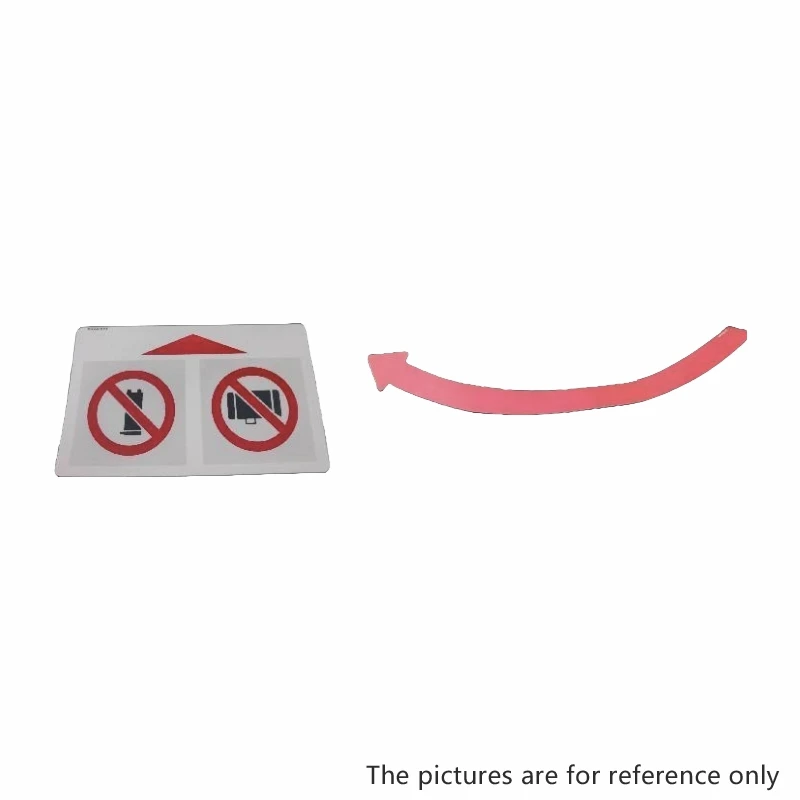
Another important aspect is Passenger Aircraft Cabin Placards. These placards provide important safety information to passengers, such as emergency procedures and seatbelt usage. Ensuring that these placards are in good condition and clearly visible is crucial for passenger safety.
Of course, when it comes to aircraft hinges, you can find our high - quality Hinge For Aircrafts that are designed to meet the strictest safety standards.
Conclusion
In conclusion, aircraft hinges are far from being just simple components. They are integral to the safety of an aircraft in many ways, from maintaining structural integrity to enabling proper flight control and ensuring safe emergency exits. As a supplier of Hinge For Aircrafts, we take our responsibility seriously and are committed to providing the best - quality hinges to the aviation industry.
If you're in the market for aircraft hinges or have any questions about our products, I encourage you to reach out and start a procurement discussion. We're here to help you ensure the safety and reliability of your aircraft.
References
- "Aircraft Maintenance Handbook" - A comprehensive guide on aircraft maintenance procedures and component safety.
- "Aviation Safety Regulations" - Published by international aviation authorities, outlining the safety standards for aircraft components.
- "Flight Mechanics: Principles and Applications" - A textbook that explains the role of flight control surfaces and their components in aircraft operation.


