


As a supplier of robotic dogs, I often get asked about the capabilities and limitations of these amazing machines. One question that comes up quite frequently is whether a robotic dog can be used in a wet environment (not fully submerged). Well, let's dive into this topic and see what the deal is.
Understanding the Basics of Robotic Dogs
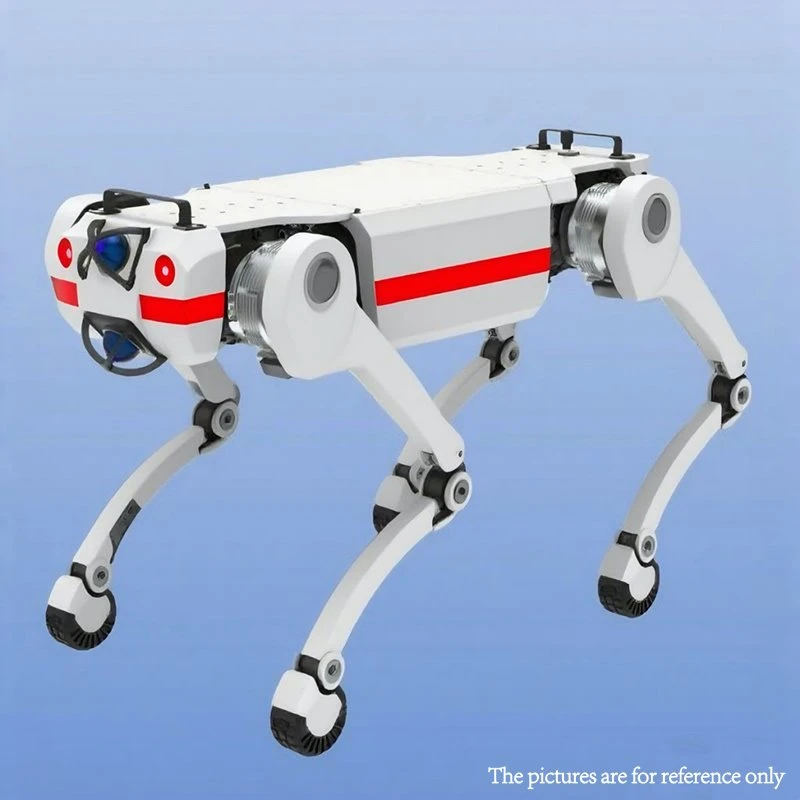
First off, it's important to understand what makes a robotic dog tick. These high - tech gadgets are equipped with a variety of sensors, motors, and electronic components. They're designed to mimic the movement and behavior of real dogs to some extent, and they can be used for a wide range of applications. For example, you've got Robotic Dog for Medical Assistance, which can help in hospitals, and Robotic Dog for Security, which can be used to patrol areas and keep an eye on things. There's also the Robotic Dog for Patrol and Inspection, great for checking out hard - to - reach places.
The Challenge of Wet Environments
Wet environments pose a significant challenge to robotic dogs. Water is the enemy of most electronic devices, and robotic dogs are no exception. When water gets into the internal components of a robotic dog, it can cause short - circuits, corrosion, and damage to the sensors and motors. This can lead to malfunctions and a shortened lifespan for the robot.
However, not all wet environments are the same. A light drizzle is a far cry from a heavy downpour or a puddle. So, we need to look at different levels of wetness and how our robotic dogs can handle them.
Light Moisture and Drizzle
In a situation where there's just a little bit of moisture in the air, like a light drizzle, most of our robotic dogs can handle it just fine. We've designed them with some level of water resistance in mind. The outer casing is made of materials that can repel water to a certain degree, and the internal components are sealed as much as possible. So, if your robotic dog gets caught in a light shower, it should be able to keep on doing its job without any major issues.
Heavy Rain and Puddles
Now, things get a bit trickier when we're talking about heavy rain or large puddles. In these conditions, the risk of water seeping into the robot increases significantly. But here's the good news: our more advanced models have better waterproofing features. They're built with high - quality seals and gaskets that can prevent water from getting into the sensitive parts of the robot.
We've also done a lot of testing in simulated wet conditions to make sure that our robotic dogs can perform well. For example, we've exposed them to heavy rain for extended periods and checked for any signs of damage or malfunction. And let me tell you, our engineers have worked hard to make these robots as resilient as possible.
Specialized Waterproofing
For those situations where you really need your robotic dog to be in a wet environment, we offer specialized waterproofing options. These are additional features that can be added to the standard model to make it even more resistant to water. With these upgrades, the robotic dog can handle more extreme wet conditions without getting damaged.
Real - World Applications in Wet Environments
There are actually quite a few real - world scenarios where a robotic dog might need to operate in a wet environment. For instance, in industrial settings near water sources, such as a chemical plant near a river, a robotic dog can be used for inspection purposes. It can navigate through wet areas to check for leaks or other issues.
In the security field, a robotic dog can be used to patrol outdoor areas during rainy weather. It can still detect intruders and send alerts, even when it's wet outside. And in some medical applications, if there's a need to move equipment in a slightly damp environment, a robotic dog can be up to the task.
Maintenance and Care in Wet Conditions
If you're using a robotic dog in a wet environment, proper maintenance is key. After each use in the wet, it's important to dry the robot thoroughly. You can use a soft, dry cloth to wipe down the outer surface and make sure there's no water left in any crevices. It's also a good idea to check the seals and gaskets regularly to make sure they're still in good condition.
Conclusion and Call to Action
So, can a robotic dog be used in a wet environment (not fully submerged)? The answer is yes, especially with the right design and maintenance. Our robotic dogs are built to handle a variety of conditions, including some level of wetness.
If you're interested in purchasing a robotic dog for your specific needs, whether it's for medical assistance, security, or patrol and inspection, we're here to help. We can provide you with all the information you need about our products and their capabilities in wet environments. Just reach out to us to start a discussion about your requirements and how our robotic dogs can fit into your operations.

References
- Manufacturer's technical specifications for robotic dog models
- Internal testing reports on robotic dog performance in wet conditions


