


When embarking on long - term monitoring projects, one crucial consideration is the choice of the appropriate monitoring equipment. As a reputable portable tritium monitor supplier, I am frequently asked whether our portable tritium monitors can be used for long - term monitoring projects. In this blog post, I will delve into this topic, exploring the capabilities, limitations, and practical applications of portable tritium monitors in the context of long - term monitoring.
Understanding Portable Tritium Monitors
Portable tritium monitors are devices designed to detect and measure tritium, a radioactive isotope of hydrogen. Tritium is widely used in various industries, including nuclear power, pharmaceuticals, and research. Due to its potential health risks, accurate and reliable tritium monitoring is essential.
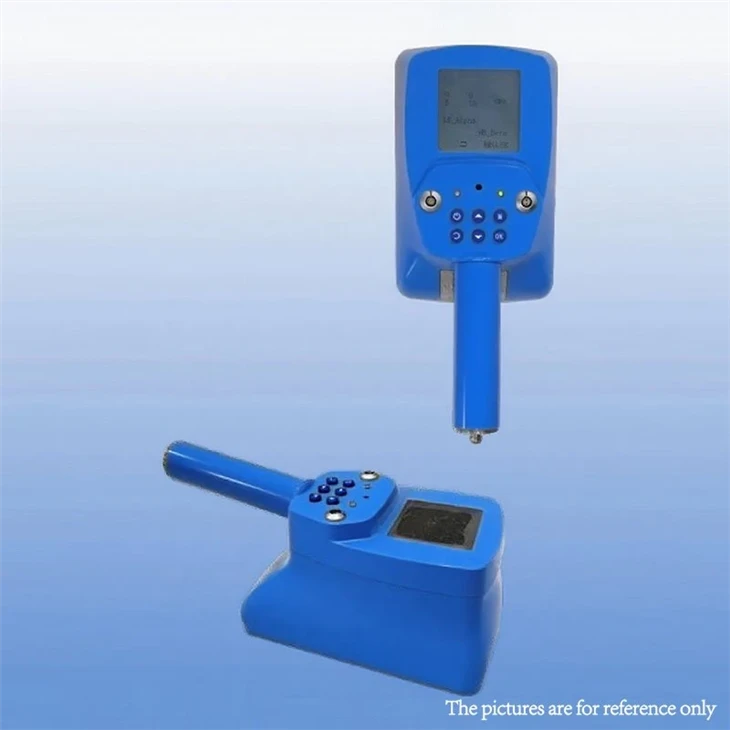
Our portable tritium monitors are characterized by their ease of use, mobility, and real - time data collection capabilities. These features make them highly suitable for on - the - spot checks and short - term monitoring scenarios. They typically use advanced detection technologies, such as scintillation detectors or ionization chambers, to detect tritium in air, water, or on surfaces.
Advantages of Using Portable Tritium Monitors for Long - Term Monitoring
1. Flexibility
One of the significant advantages of portable tritium monitors in long - term projects is their flexibility. They can be easily moved to different locations within a monitoring area. For example, in a large nuclear power plant, our monitors can be quickly transported to various reactors, storage facilities, or waste management areas. This allows for comprehensive long - term monitoring of different parts of the facility, ensuring that tritium levels are continuously monitored at all critical points.
2. Real - Time Data
Portable tritium monitors provide real - time data, which is invaluable in long - term monitoring. Long - term projects often require continuous assessment of tritium levels. The ability to obtain immediate results allows project managers to respond promptly to any changes or potential issues. For instance, if the tritium level suddenly spikes in a particular area, appropriate measures can be taken immediately, such as evacuating the area or conducting further investigations.
3. Cost - Effectiveness
Compared to fixed - installed monitoring systems, portable tritium monitors can be a more cost - effective option for long - term monitoring. Fixed systems require significant upfront investment in installation and infrastructure. In contrast, portable monitors can be purchased at a relatively lower cost and used across multiple projects or locations. This makes them an attractive choice for long - term monitoring, especially for smaller organizations or projects with budget constraints.
Limitations and Challenges
1. Battery Life
One of the main limitations of portable tritium monitors in long - term monitoring is battery life. Since these monitors are designed to be portable, they rely on batteries for power. In long - term continuous monitoring, the need for frequent battery replacement or recharging can be a significant inconvenience. However, our company is constantly working on improving battery technology to extend the operating time of our monitors.

2. Environmental Sensitivity
Portable tritium monitors can be sensitive to environmental factors such as temperature, humidity, and background radiation. In long - term monitoring, these environmental conditions may change over time, which can affect the accuracy of the measurements. To mitigate this issue, our monitors are equipped with advanced calibration algorithms and environmental compensation features. However, regular calibration and maintenance are still required to ensure accurate and reliable long - term monitoring.
3. Data Logging Capacity
Long - term monitoring projects generate a large amount of data. Portable tritium monitors may have limited data logging capacity, which can be a challenge when storing and analyzing long - term data. Our monitors are designed with sufficient data storage and can be connected to external data servers for more extensive data management. Additionally, we offer software solutions that facilitate data analysis and reporting for long - term monitoring projects.
Practical Applications in Long - Term Monitoring
1. Nuclear Power Plants
In nuclear power plants, long - term tritium monitoring is crucial for safety and regulatory compliance. Portable tritium monitors can be used to monitor tritium levels in different areas of the plant, including the primary cooling system, containment buildings, and waste storage facilities. They can also be used during maintenance and decommissioning activities to ensure that tritium levels remain within acceptable limits.
2. Environmental Monitoring
For environmental long - term monitoring projects, portable tritium monitors can be used to detect tritium in natural water sources, soil, and air. This is particularly important in areas near nuclear facilities or other industrial sites where tritium may be released into the environment. By regularly monitoring tritium levels, potential environmental impacts can be identified and addressed in a timely manner.
3. Research and Development
In research and development projects, long - term tritium monitoring is often required to study the behavior and effects of tritium in various materials and processes. Portable tritium monitors can be used to conduct experiments and collect data over an extended period. Their mobility allows researchers to perform measurements in different laboratory settings or even in the field.
Complementary Products for Long - Term Monitoring
In addition to portable tritium monitors, our company offers a range of complementary products that can enhance long - term monitoring projects. For example, the Radiation Dosimeter For NDT Companies can be used to measure the radiation dose received by workers in non - destructive testing (NDT) applications, which often involve the use of radioactive materials.
The Surface Contamination Monitoring Solution is another useful product for long - term monitoring. It can detect and measure tritium and other radioactive contaminants on surfaces, ensuring that work areas and equipment are free from contamination.
The Radiation Dosimeter For Oil & Gas Industry is specifically designed for the unique radiation monitoring needs of the oil and gas industry. It can be used in long - term monitoring projects to detect and measure radiation levels during exploration, production, and refining processes.
Our Advanced Personal Neutron & Gamma Dosimeter provides accurate and reliable personal radiation dosimetry for long - term exposure monitoring. It can be worn by workers in high - radiation environments, such as nuclear power plants and research facilities.
Finally, the Radiation Monitoring For Pipeline Inspection product is essential for long - term pipeline monitoring projects. It can detect and measure radiation levels in pipelines, helping to ensure the integrity and safety of the pipeline infrastructure.
Conclusion
In conclusion, portable tritium monitors can be effectively used for long - term monitoring projects, despite some limitations. Their flexibility, real - time data collection capabilities, and cost - effectiveness make them a valuable tool in various industries. With proper calibration, maintenance, and the use of complementary products, they can provide accurate and reliable long - term tritium monitoring.
If you are involved in a long - term monitoring project and are considering using portable tritium monitors or any of our complementary products, we encourage you to contact us for more information and to discuss your specific requirements. Our team of experts is ready to assist you in selecting the most suitable monitoring solutions for your project.
References
- Knoll, Glenn F. Radiation Detection and Measurement. John Wiley & Sons, 2010.
- Tsoulfanidis, Nicholas. Measurement and Detection of Radiation. CRC Press, 2015.


