


As a supplier of Passenger Aircraft Cabin Placards, I often find myself in discussions about the existence and nature of international standards for these crucial components. Cabin placards play a vital role in ensuring the safety, comfort, and compliance of passengers and crew on board an aircraft. In this blog post, I will explore the question of whether there are international standards for Passenger Aircraft Cabin Placards, the importance of these standards, and how they impact our business as a supplier.
The Need for International Standards
Before delving into the existence of international standards, it's essential to understand why they are necessary. Passenger aircraft operate across national borders, carrying passengers from all over the world. To ensure consistent safety and information dissemination, it is crucial to have a unified set of rules and guidelines for cabin placards. These standards help to:
- Enhance Safety: Clear and standardized placards provide essential safety information to passengers and crew, such as emergency exits, safety equipment locations, and prohibited actions. This consistency reduces the risk of confusion during emergencies, potentially saving lives.
- Facilitate Compliance: Airlines and aircraft manufacturers must comply with various regulations and requirements. International standards simplify the compliance process by providing a single set of guidelines that can be applied globally.
- Improve Passenger Experience: Standardized placards are easier for passengers to understand, regardless of their native language. This improves the overall passenger experience and reduces stress during flights.
Existing International Standards
There are indeed international standards for Passenger Aircraft Cabin Placards. The most prominent of these is set by the International Civil Aviation Organization (ICAO). ICAO is a specialized agency of the United Nations that sets international standards and recommended practices for civil aviation. Their standards cover a wide range of aspects related to aircraft safety and operation, including cabin placards.
ICAO's standards for cabin placards are outlined in Annex 6 - Operation of Aircraft, Part I - International Commercial Air Transport - Aeroplanes. These standards specify the size, color, symbol, and text requirements for various types of placards, such as emergency exit signs, safety equipment placards, and no - smoking signs. For example, emergency exit signs must be illuminated and visible from all seats in the cabin, and the symbols used must be easily recognizable and consistent across different aircraft.
In addition to ICAO, the Federal Aviation Administration (FAA) in the United States and the European Union Aviation Safety Agency (EASA) also have their own regulations regarding cabin placards. While these regulations are largely in line with ICAO standards, there may be some minor differences in specific requirements. For instance, the FAA may have more detailed requirements for certain types of placards used in aircraft operating within the United States.
Impact on Our Business as a Supplier
As a supplier of Passenger Aircraft Cabin Placards, these international standards have a significant impact on our business. First and foremost, they ensure that the products we manufacture meet the highest safety and quality standards. We must adhere to the size, color, and symbol requirements set by ICAO, FAA, and EASA to ensure that our placards are compliant with global regulations.
This also means that we need to stay up - to - date with any changes or updates to these standards. Regulatory bodies regularly review and revise their requirements to keep pace with technological advancements and new safety concerns. For example, with the increasing use of electronic devices on board aircraft, there may be new regulations regarding placards related to electronic device usage.
Another aspect is the design and production process. We need to invest in advanced manufacturing technologies and materials to ensure that our placards are durable, legible, and meet the specific requirements of each airline and aircraft type. For example, some airlines may require placards with special anti - glare coatings or high - visibility colors for better readability.
The Role of Standardization in the Industry
Standardization in the Passenger Aircraft Cabin Placards industry goes beyond just regulatory compliance. It also promotes innovation and efficiency. When there are clear standards, suppliers can focus on improving the quality and functionality of their products without having to worry about constantly adapting to different requirements from various airlines or regions.
For example, standardization allows us to develop new manufacturing techniques that can produce placards more quickly and cost - effectively. It also encourages competition among suppliers, which drives innovation in areas such as materials science and graphic design. As a result, airlines can benefit from higher - quality placards at more competitive prices.
Related Products and Services
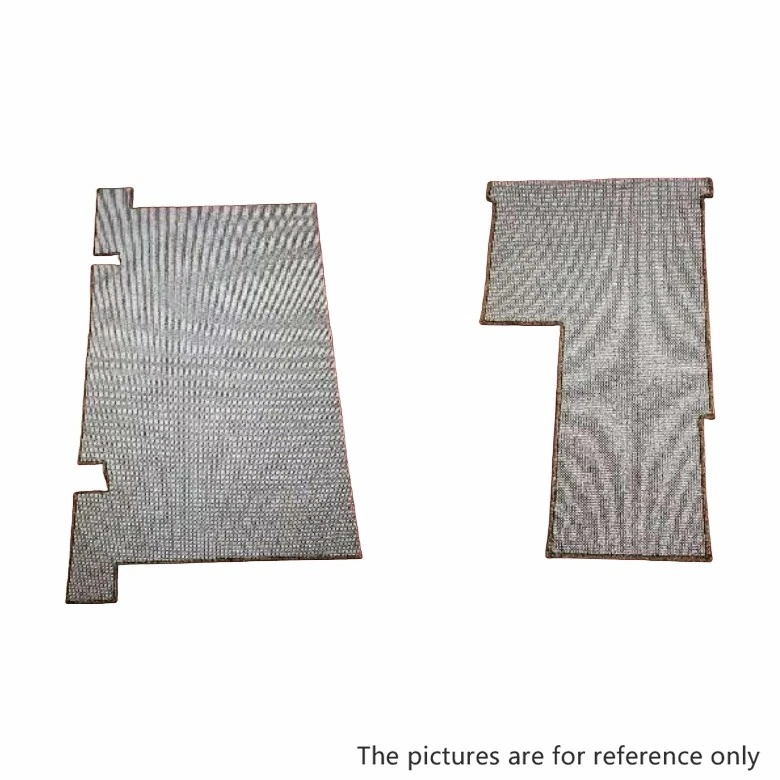
In addition to Passenger Aircraft Cabin Placards, our company also offers a range of related products and services. For example, we provide Aircraft Cabin Carpet, which is an important part of the aircraft cabin interior. Our carpets are designed to be durable, comfortable, and compliant with all relevant safety regulations.
We also offer Cabin Passenger Seat Repair Services. Over time, aircraft seats can become worn or damaged, and our repair services ensure that they are restored to their original condition, maintaining the safety and comfort of passengers.
Another product we offer is Aircraft Cabin Seat Cover. These covers not only protect the seats but also enhance the aesthetic appeal of the cabin. They are available in a variety of materials and designs to meet the specific needs of different airlines.

Conclusion and Call to Action
In conclusion, there are indeed international standards for Passenger Aircraft Cabin Placards, primarily set by ICAO, with additional regulations from FAA and EASA. These standards are essential for ensuring safety, compliance, and a positive passenger experience. As a supplier, we are committed to meeting these standards and providing high - quality products and services to our customers.
If you are an airline or aircraft manufacturer in need of Passenger Aircraft Cabin Placards, Aircraft Cabin Carpet, Cabin Passenger Seat Repair Services, or Aircraft Cabin Seat Cover, we would be delighted to discuss your requirements. Our team of experts can provide you with customized solutions that meet your specific needs and comply with all relevant international standards. Contact us today to start the procurement and negotiation process.
References
- International Civil Aviation Organization (ICAO). Annex 6 - Operation of Aircraft, Part I - International Commercial Air Transport - Aeroplanes.
- Federal Aviation Administration (FAA). Regulations related to aircraft cabin placards.
- European Union Aviation Safety Agency (EASA). Regulations on cabin safety and placards.


