
Pipeline radiography plays a vital role in ensuring the safety and reliability of oil, gas, and energy infrastructure. Thousands of kilometers of pipelines are constructed and maintained every year, carrying high-pressure fluids across deserts, offshore areas, industrial zones, and remote regions.
To verify weld integrity, many pipeline projects rely on gamma radiography because it can detect internal defects that may not be visible through conventional inspection methods. Weld cracks, incomplete fusion, porosity, and other hidden flaws can compromise pipeline performance if they remain undetected.
However, the same radiation technology that makes accurate inspection possible also creates occupational safety challenges.
Gamma radiation cannot be seen, smelled, or felt. Workers may be unaware of exposure until after it has already occurred. This makes reliable radiation monitoring an essential part of every pipeline radiography operation.
For modern NDT contractors, radiation monitoring is not only about meeting regulatory requirements-it is about protecting workers, preventing project disruptions, and maintaining trust with pipeline owners.
The Growing Importance of Pipeline Radiography Safety
Pipeline construction projects are becoming larger and more complex.
Modern pipeline operations often involve:
Long-distance transmission systems
Remote construction locations
Multiple inspection teams
Continuous welding activities
Tight project schedules
Radiographic testing is frequently performed after pipeline welding to verify that joints meet quality standards before commissioning.
A single pipeline project may require thousands of weld inspections.
This creates a challenging environment where radiation safety teams must manage repeated exposures across many workers and locations.
Without effective monitoring, even small safety gaps can accumulate into significant risks.
Why Gamma Radiation Requires Continuous Monitoring
Gamma radiation used in industrial radiography has high penetration capability, which makes it effective for inspecting thick metal components.
However, this same penetrating ability means gamma radiation can travel beyond the immediate inspection area.
Potential exposure risks may occur through:
Incorrect exclusion zones
Unexpected worker movement
Communication failures
Improper source handling
Equipment malfunction
Unlike visible hazards such as heat or moving machinery, radiation does not provide natural warning signals.
A worker may unknowingly enter a radiation field without realizing the danger.
Radiation monitoring equipment provides the critical information needed to identify and control these invisible risks.
Protecting RT Operators Through Personal Dosimetry
One of the most important radiation protection measures in pipeline radiography is personal dosimetry.
Every radiography operator and radiation worker needs accurate information about their individual exposure.
Traditional passive dosimeters provide valuable long-term records, but they have limitations.
They generally cannot provide:
Immediate exposure warnings
Real-time dose information
Instant response capability
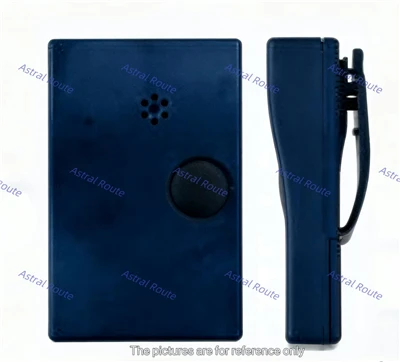
Electronic Personal Dosimeters (EPDs) address these limitations by providing continuous monitoring during operations.
Modern electronic dosimeters can display:
Current accumulated dose
Dose rate
Alarm status
Exposure trends
If radiation levels increase unexpectedly, workers receive immediate warnings through:
Audible alarms
Visual indicators
Vibration alerts
This allows operators to take action before unnecessary exposure occurs.
Managing Radiation Boundaries in Remote Pipeline Projects
Pipeline radiography is often performed in open areas far from permanent facilities.
Examples include:
Desert pipeline construction
Mountain transmission routes
Remote oilfield gathering systems
Offshore pipeline installation
Unlike controlled industrial plants, remote locations may have:
Limited fencing
Temporary access roads
Moving construction crews
Changing work conditions
Radiation survey meters help technicians establish and verify safe working boundaries.
Before and during exposure, radiation monitoring instruments are used to:
Measure dose rates around the inspection area
Confirm controlled zone distances
Identify unexpected radiation levels
Verify safe conditions after exposure
Accurate measurements are essential because radiation boundaries depend on actual field conditions.
Reducing the Risk of Accidental Exposure
Many radiation incidents are not caused by equipment failure but by human factors.
Common causes include:
Workers entering controlled areas without authorization
Poor communication between contractors
Incomplete safety briefings
Changes in work locations
Lack of awareness among nearby teams
Pipeline construction sites often involve many different companies working simultaneously.
A welding team, coating crew, lifting team, and inspection team may all operate within the same general area.
Radiation monitoring provides an additional safety layer by ensuring that exposure conditions remain visible and controlled.
Supporting Night-Time Pipeline Radiography
Pipeline projects frequently operate around the clock to maintain construction schedules.
Night radiography is common because it reduces interference with daytime construction activities.
However, night operations create additional challenges:
Reduced visibility
Worker fatigue
Lower supervision levels
Difficulty identifying boundaries
During night shifts, radiation monitoring becomes even more important.
Electronic personal dosimeters with alarms provide direct feedback to workers regardless of lighting conditions.
Portable survey meters allow radiation safety personnel to confirm boundaries even when visual identification is difficult.
Calibration and Equipment Reliability Are Critical
Radiation monitoring equipment must provide accurate readings every time it is used.
In pipeline projects, instruments are often exposed to harsh conditions, including:
High temperatures
Dust and sand
Rain and humidity
Transportation vibration
Long working hours
Over time, equipment performance can change.
Common problems with aging radiation detection equipment include:
Calibration drift
Reduced detector sensitivity
Battery degradation
Alarm failures
Display problems
Using unreliable monitoring equipment can create false confidence.
For this reason, contractors should ensure all radiation monitoring instruments have:
Valid calibration certificates
Regular maintenance records
Functional alarm testing
Proper storage procedures
Compliance Requirements for Pipeline Operators
Pipeline owners and regulatory authorities place strong emphasis on radiation safety management.
NDT contractors are generally expected to maintain:
Qualified radiation workers
Proper personal dosimetry programs
Calibrated radiation instruments
Documented exposure records
Emergency response procedures
A failure in radiation safety compliance can result in:
Work suspension
Investigation delays
Contract penalties
Damage to contractor reputation
For large infrastructure projects, radiation safety performance is an important part of contractor evaluation.
How Modern Radiation Monitoring Improves Project Efficiency
Radiation monitoring is often viewed only as a safety measure, but it also supports operational efficiency.
Reliable monitoring helps reduce:
Unexpected work interruptions
Safety-related delays
Audit problems
Exposure management issues
Digital radiation monitoring systems can also improve:
Data recording
Compliance reporting
Worker exposure management
Safety analysis
For project managers, better radiation visibility means fewer surprises during critical inspection activities.
The Future of Radiation Monitoring in Pipeline NDT
The pipeline industry is moving toward smarter and more connected safety systems.
Future radiation protection programs are expected to rely increasingly on:
Electronic personal dosimeters
Digital radiation survey meters
Wireless data transmission
Centralized monitoring platforms
Automated compliance reporting
These technologies support a proactive approach where radiation risks are identified and managed before they become incidents.
Supporting Safer Pipeline Radiography Operations
Astral Route provides radiation monitoring solutions designed for industrial inspection environments, including pipeline radiography applications.
The product range includes:
Electronic personal radiation dosimeters
Neutron dosimeters
Portable radiation survey meters
Surface contamination monitors
Portable tritium monitoring solutions
These solutions help NDT contractors improve radiation awareness, strengthen compliance management, and support safer inspection operations in demanding field environments.
FAQ
Why is radiation monitoring required during pipeline radiography?
Because gamma radiation used in RT is invisible and can create exposure risks if workers enter controlled areas or remain near radiation sources for too long.
What equipment is commonly used for pipeline radiation monitoring?
Typical equipment includes electronic personal dosimeters, portable radiation survey meters, and area radiation monitoring systems.
How do electronic dosimeters improve pipeline safety?
They provide real-time dose information and immediate alarms, allowing workers to respond quickly to changing radiation conditions.
Why are portable survey meters important in pipeline projects?
They help verify radiation boundaries, measure dose rates, and confirm safe conditions before and after exposure.
Can radiation monitoring reduce project delays?
Yes. Effective monitoring helps prevent safety incidents, compliance problems, and unexpected shutdowns during inspection activities.
Final Thoughts
Pipeline radiography is essential for maintaining the integrity of critical energy infrastructure, but it must always be performed with strong radiation protection measures.
Because gamma radiation is invisible and potentially hazardous, reliable monitoring equipment provides the information needed to protect workers and maintain safe operations.
From remote pipeline construction sites to major oil and gas infrastructure projects, radiation monitoring remains a fundamental requirement for successful NDT operations.
For modern inspection contractors, investing in accurate and reliable radiation monitoring is not simply a regulatory obligation-it is a practical strategy for safer workers, smoother projects, and long-term operational reliability.