Transporting radioactive materials is a high-responsibility operation. Whether the shipment involves industrial radiography sources, medical isotopes, nuclear research materials, or radioactive waste, every stage of transportation requires careful radiation safety management.
For logistics companies and radioactive material suppliers, the challenge goes beyond moving cargo from one location to another. Drivers, loading personnel, warehouse operators, and radiation safety officers may all be involved in handling or working near radioactive shipments. An unexpected package condition, inadequate shielding, or poorly controlled handling procedure can create unnecessary radiation exposure and regulatory complications.
A delayed response to a radiation safety problem can also disrupt delivery schedules, trigger investigations, and affect the reputation of the transport provider.
This is where radiation dosimeters become essential. By tracking occupational exposure and providing timely warnings, appropriate dosimetry equipment helps organizations protect personnel and maintain better control over radioactive material transportation.
Why Radiation Safety Is a Major Challenge During Transportation
Radioactive materials are transported across different environments, including industrial facilities, airports, seaports, warehouses, hospitals, and remote project locations.
Unlike fixed nuclear facilities, transportation operations involve changing conditions. Personnel may handle packages at multiple transfer points, while vehicles travel through different environments and jurisdictions.
Common challenges include:
Workers spending extended periods near radioactive packages
Incorrect handling or positioning of shielded containers
Changes in transport arrangements and storage locations
Limited access to radiation monitoring equipment at remote sites
Inadequate exposure records across multiple handling teams
Delays in identifying abnormal radiation conditions
Even when radioactive packages comply with applicable transport requirements, occupational exposure must still be managed appropriately.
A compliant package does not eliminate the need to monitor the people handling it.
How Radiation Dosimeters Protect Transportation Personnel
A radiation dosimeter measures the radiation dose received by an individual over a period of time.
For personnel involved in radioactive material transportation, dosimetry helps organizations understand occupational exposure and identify situations that require further investigation.
Different dosimeter types serve different purposes.
Electronic Personal Dosimeters for Real-Time Monitoring
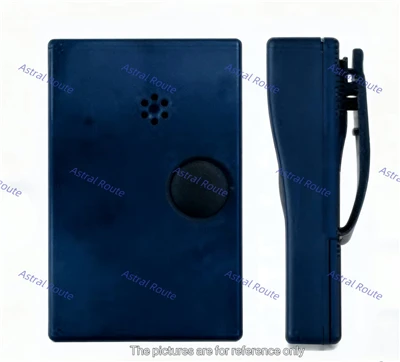
Electronic Personal Dosimeters (EPDs) are particularly useful for workers who regularly handle radioactive shipments.
Depending on the model, they can provide:
Real-time cumulative dose readings
Instantaneous dose-rate information
Audible and visual alarms
Vibration warnings
Immediate exposure feedback
If a worker approaches an area with unexpectedly elevated radiation levels, an electronic dosimeter can provide an immediate warning.
This is valuable during loading, unloading, package inspection, and temporary storage operations.
Passive Dosimeters for Long-Term Dose Records
Passive dosimeters, including thermoluminescent dosimeters (TLDs) and optically stimulated luminescence (OSL) badges, are commonly used to record cumulative occupational exposure over a monitoring period.
They are useful for:
Routine personnel dose assessment
Long-term exposure records
Regulatory documentation
Occupational radiation protection programs
In many organizations, passive and electronic dosimeters are used together. One supports formal cumulative dose assessment, while the other provides immediate operational awareness.
Monitoring During Loading and Unloading Operations
Loading and unloading are important stages in radioactive material transportation.
Workers may need to position packages, secure containers, inspect transport equipment, and coordinate movements between vehicles and storage areas.
If shielding is damaged, a package is incorrectly positioned, or unexpected radiation conditions develop, personnel may be exposed before the problem is recognized.
Electronic dosimeters provide an additional layer of protection by alerting workers to elevated dose rates.
Organizations should also use appropriate portable radiation survey meters to check package surfaces, transport vehicles, and surrounding areas according to applicable procedures.
Personal dosimetry and area or package surveys serve different purposes. Neither should be treated as a replacement for the other.
Why Compliance and Traceable Dose Records Matter
Radioactive material transportation is subject to strict regulatory controls.
International requirements, including the IAEA Regulations for the Safe Transport of Radioactive Material, establish safety provisions for packaging, radiation levels, contamination control, and transport operations. National authorities may impose additional requirements.
For transport companies, compliance involves more than having approved packaging.
They also need appropriate personnel training, radiation protection procedures, equipment management, and exposure records where required.
Reliable dosimetry supports these responsibilities by helping organizations:
Track individual occupational exposure
Maintain dose monitoring records
Identify unusual exposure patterns
Support radiation safety audits
Demonstrate implementation of radiation protection procedures
For international logistics providers, maintaining consistent documentation across different projects and operating locations is particularly important.
The Risk of Relying on Outdated Monitoring Equipment
Some transportation companies continue using older radiation monitoring instruments because they appear to function normally.
However, aging equipment can introduce several problems:
Calibration drift and measurement uncertainty
Weak or unreliable alarm functions
Reduced battery performance
Limited data storage
Difficulties obtaining replacement components
Incompatibility with modern reporting systems
These limitations become particularly problematic when shipments involve multiple transfer points or long-distance transportation.
A monitoring instrument that cannot provide dependable readings creates uncertainty for both workers and safety managers.
Regular calibration, functional testing, and timely equipment replacement should therefore be part of a company's radiation safety strategy.
Additional Monitoring for Specialized Radioactive Materials
Not all radioactive shipments present the same radiation hazards.
Different radionuclides produce different types of radiation, requiring appropriate monitoring technologies.
For example:
Gamma-emitting materials may require suitable gamma survey instruments and personal dosimeters.
Neutron-emitting sources may require dedicated neutron monitoring equipment.
Tritium-containing materials may require specialized tritium detection solutions.
Potentially contaminated packages may require surface contamination monitoring.
Selecting equipment based only on the general category of radioactive material can lead to gaps in radiation protection.
The monitoring configuration should be determined by the radionuclides involved, radiation characteristics, package design, handling conditions, and applicable regulations.
Choosing the Right Radiation Monitoring Equipment
For companies involved in radioactive material transportation, equipment selection should focus on operational requirements rather than price alone.
Important considerations include:
Radiation types and energy ranges to be measured
Dose and dose-rate measurement capabilities
Alarm thresholds and warning functions
Calibration and maintenance requirements
Battery life for extended operations
Portability and ease of use
Data recording and reporting capabilities
Organizations should also consider whether they need personal dosimeters, portable survey meters, contamination monitors, or specialized neutron and tritium detectors.
Radiation Monitoring Solutions from Astral Route
For organizations looking to upgrade their radiation protection equipment, Astral Route offers a range of radiation detection solutions covering different industrial and radioactive material handling applications.
Explore our Radiation Detection and Dosimeter Equipment to find solutions including electronic personal radiation dosimeters, neutron dosimeters, surface contamination monitors, and portable tritium monitors.
Whether your operations involve radioactive source transportation, nuclear maintenance, industrial inspection, or medical isotope handling, selecting appropriate monitoring equipment can help strengthen personnel protection and support more effective radiation safety management.
FAQ
1. Why are dosimeters important when transporting radioactive materials?
Dosimeters help monitor occupational radiation exposure among drivers, loading personnel, warehouse workers, and other staff involved in handling radioactive shipments.
2. Should transportation workers use electronic or passive dosimeters?
The choice depends on the radiation protection program and regulatory requirements. Electronic dosimeters provide real-time feedback and alarms, while passive dosimeters are commonly used for cumulative dose assessment. Both may be used together.
3. Can a personal dosimeter detect radiation leakage from a package?
A personal dosimeter can indicate elevated radiation exposure at the wearer's location, but it is not a substitute for a calibrated survey meter used to assess package radiation levels and investigate suspected leakage or shielding problems.
4. What radiation monitoring equipment is needed for radioactive material transportation?
Depending on the material and operation, equipment may include electronic personal dosimeters, passive badges, portable radiation survey meters, contamination monitors, and specialized neutron or tritium detectors.
5. How often should radiation dosimeters be calibrated?
Calibration intervals depend on the instrument manufacturer's specifications, applicable regulations, and the organization's radiation protection procedures. Electronic dosimeters should be maintained and tested according to their approved requirements.
Final Thoughts
Radioactive material transportation involves more than securing packages and meeting delivery schedules. It requires continuous attention to personnel protection, exposure assessment, equipment reliability, and regulatory compliance.
For transport companies, radiation dosimeters provide an important means of tracking occupational exposure and improving worker awareness. When combined with appropriate survey meters and contamination monitoring equipment, they form part of a more comprehensive radiation protection program.
As radioactive materials continue to support nuclear energy, medical applications, industrial inspection, and scientific research worldwide, reliable radiation monitoring will remain an essential consideration throughout the transportation supply chain.