The transportation of radioactive materials is a critical part of many industrial, medical, and research activities. From radioactive sources used in industrial radiography to medical isotopes and nuclear materials, reliable transport systems are essential for maintaining safety throughout the supply chain.
Unlike ordinary hazardous materials, radioactive materials present a unique challenge: the risk is not always visible.
A transport container may appear completely secure, yet a damaged package, incorrect handling procedure, or unexpected contamination event can create serious safety concerns for workers, transport personnel, and the surrounding environment.
As regulatory requirements become stricter and radioactive material movements increase globally, organizations are placing greater emphasis on transport monitoring systems that provide accurate radiation measurements, traceable records, and rapid response capabilities.
Why Radioactive Material Transport Requires Strict Monitoring?
Radioactive materials are transported under highly controlled conditions because exposure risks can occur during multiple stages of the journey.
Potential risk points include:
Packaging and preparation
Loading and unloading
Vehicle transportation
Temporary storage
Transfer between facilities
Emergency situations
Even when approved containers are used, unexpected events may occur.
Examples include:
Damage to transport packages
Incorrect labeling
Excessive radiation levels outside the package
Contamination during handling
Transportation accidents
Effective monitoring helps identify these issues before they become serious safety incidents.
Common Industries That Transport Radioactive Materials
Radioactive material transportation is essential across many industries.
Industrial Radiography
NDT contractors frequently transport sealed radioactive sources such as Iridium-192, Selenium-75, or Cobalt-60 for field inspection projects.
These sources are used for:
Pipeline weld inspection
Pressure vessel testing
Structural examinations
Refinery maintenance
Because industrial radiography often requires moving sources between different job sites, reliable monitoring during transportation is essential.
Nuclear Power Industry
Nuclear facilities regularly transport radioactive materials related to:
Reactor maintenance
Radioactive waste management
Fuel cycle activities
Equipment servicing
Strict monitoring procedures help ensure safe movement between controlled areas and external facilities.
Medical and Research Applications
Hospitals and research institutions transport radioactive isotopes used for:
Cancer treatment
Diagnostic imaging
Scientific research
These materials require careful handling and accurate documentation throughout the entire logistics process.
Radiation Survey Monitoring Before Transport
Before radioactive materials leave a facility, radiation surveys are typically performed to confirm that packages meet safety requirements.
Portable radiation survey meters are commonly used to measure:
Surface dose rates
Radiation levels near packages
Potential abnormal conditions
These measurements help verify that:
Packaging requirements are satisfied
Radiation levels remain within permitted limits
Transport documentation is accurate
A reliable survey instrument is the first line of defense before transportation begins.
The Importance of Package Monitoring
Approved radioactive material containers are designed to provide shielding and prevent contamination release.
However, transport monitoring remains necessary because packaging conditions can change.
Factors such as:
Mechanical impact
Long-distance transportation
Temperature variation
Improper handling
may affect package integrity.
Regular radiation checks help confirm that the container continues to perform as expected.
For high-value radioactive sources, monitoring provides additional confidence for both suppliers and receiving facilities.
Real-Time Monitoring During Transportation
Traditional transport controls often focused on inspection before departure and upon arrival.
However, modern safety practices increasingly emphasize continuous visibility.
Real-time monitoring technologies can provide information about:
Radiation levels
Package status
Location information
Transport conditions
This is especially valuable for long-distance transportation or international shipments where materials may pass through multiple jurisdictions.
Improved visibility allows organizations to respond faster if abnormal situations occur.
Protecting Workers During Loading and Unloading
Many transport-related radiation risks occur during handling rather than during the actual journey.
Workers involved in loading and unloading may face exposure risks when:
Positioning radioactive source containers
Inspecting packages
Moving materials between vehicles
Preparing shipments
Personal radiation monitoring helps ensure that workers remain aware of their exposure levels.
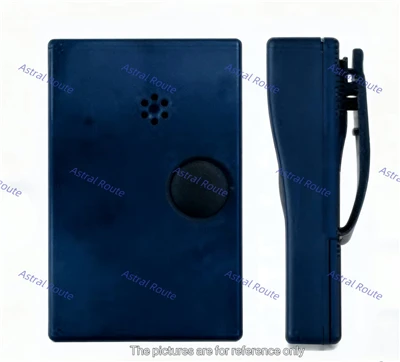
Electronic Personal Dosimeters (EPDs) are increasingly used because they provide:
Real-time dose information
Alarm notifications
Exposure history records
These features help workers make safer decisions during material handling activities.
Managing Radioactive Source Transportation for NDT Companies
Industrial radiography companies face unique transport challenges.
A typical RT contractor may move radioactive sources between:
Headquarters
Storage facilities
Refineries
Pipeline construction sites
Offshore bases
Each movement requires careful control.
Best practices include:
Verifying source documentation
Inspecting transport containers
Confirming radiation measurements
Maintaining custody records
Training authorized personnel
Failure in any part of this process can create regulatory and operational consequences.
Regulatory Compliance and Documentation Requirements
Radioactive material transportation is governed by strict international and national regulations.
Organizations must maintain accurate records related to:
Material identification
Radiation measurements
Packaging certification
Personnel authorization
Transport procedures
Regulatory inspections often examine whether organizations can demonstrate effective control throughout the transport process.
Reliable monitoring equipment supports this requirement by providing objective measurement data.
Emergency Monitoring During Transport Incidents
Although radioactive material transportation is highly controlled, emergency situations must always be considered.
Possible incidents include:
Vehicle accidents
Damaged packages
Lost shipments
Unexpected radiation readings
Emergency response teams require accurate information to determine:
Radiation hazard levels
Safe approach distances
Required protective measures
Appropriate recovery procedures
Portable radiation detection equipment plays an important role during these situations.
Fast and accurate measurements can significantly improve emergency decision-making.
Challenges With Aging Radiation Monitoring Equipment
Many organizations still operate older radiation monitoring instruments.
Over time, aging equipment may experience:
Calibration drift
Reduced battery performance
Slower response times
Limited data recording capability
Difficulty obtaining replacement parts
These problems can affect transport safety because decisions depend on accurate measurements.
Modern radiation monitoring systems offer improved reliability through:
Digital records
Better alarm functions
Enhanced detector technology
Simplified calibration management
The Shift Toward Digital Radiation Safety Management
The radiation protection industry is moving toward more connected monitoring systems.
Modern organizations increasingly require:
Electronic dose tracking
Digital inspection records
Automated compliance reports
Centralized monitoring platforms
This approach improves visibility across the entire radioactive material lifecycle, from storage and transport to final use.
Digital monitoring also reduces administrative workload and improves audit readiness.
Supporting Safer Radioactive Material Transportation
Companies such as Astral Route provide radiation monitoring solutions designed to support organizations handling radioactive materials.
These solutions include:
Electronic personal dosimeters
Portable radiation survey meters
Neutron radiation monitoring equipment
Contamination monitoring systems
Tritium monitoring solutions
By improving measurement accuracy and real-time awareness, modern radiation monitoring technologies help organizations strengthen safety management during radioactive material transportation.
FAQ
Why is radiation monitoring important during radioactive material transport?
It helps verify package safety, protect workers, and ensure compliance with transportation regulations.
What equipment is commonly used for transport monitoring?
Portable radiation survey meters, electronic personal dosimeters, and contamination monitors are commonly used.
Are radioactive material transport containers enough for safety?
Certified containers provide essential protection, but monitoring is still required to verify radiation levels and detect abnormal conditions.
Why are electronic dosimeters useful during transport operations?
They provide real-time exposure information and alerts for workers handling radioactive materials.
What should organizations do if abnormal radiation levels are detected?
Transportation should be stopped, the area controlled, and qualified radiation safety personnel should assess the situation.
See customized solutions for you at https://www.astralroutetech.com/radiation-dosimeter/
Final Thoughts
Safe transportation of radioactive materials depends on more than approved containers and written procedures. It requires continuous awareness, accurate measurement, and effective response capabilities.
From industrial radiography sources to nuclear and medical materials, every stage of transportation carries potential risks that must be carefully managed.
As global demand for radioactive materials continues to grow, organizations are increasingly adopting advanced radiation monitoring solutions to improve safety, strengthen compliance, and ensure reliable control throughout the transportation process.
Modern monitoring technology provides the visibility needed to move radioactive materials safely in an increasingly complex industrial environment.