Nuclear medicine has become an essential part of modern healthcare. Every day, hospitals around the world use radioactive materials to diagnose diseases, evaluate organ function, and treat conditions such as thyroid disorders and certain types of cancer.
As the number of nuclear medicine procedures continues to grow, so does the importance of radiation protection. While the benefits of nuclear medicine far outweigh the risks, healthcare facilities must ensure that radiation exposure to staff, patients, and the public remains well controlled.
Radiation safety is no longer simply a regulatory requirement. It is a fundamental part of delivering high-quality patient care while protecting healthcare professionals who work with radioactive materials every day.
Understanding Radiation Sources in Nuclear Medicine
Unlike diagnostic X-ray departments, nuclear medicine uses unsealed radioactive isotopes that emit radiation after being administered to patients.
Common applications include:
PET imaging
SPECT imaging
Thyroid diagnosis and therapy
Bone scans
Cardiac imaging
Oncology imaging
Radionuclide therapy
Medical personnel may encounter radiation exposure during:
Radiopharmaceutical preparation
Dose dispensing
Injection procedures
Patient positioning
Waste handling
Equipment maintenance
Because radioactive materials remain active for a period of time, radiation protection extends well beyond the imaging procedure itself.
Who Is Most at Risk?
Most occupational exposures in nuclear medicine remain well below regulatory limits when appropriate protection measures are followed.
However, certain groups receive higher cumulative exposure due to the nature of their work, including:
Nuclear medicine technologists
Radiopharmacists
Medical physicists
Radiation Safety Officers (RSOs)
Physicians performing radionuclide therapies
Laboratory personnel handling radioactive samples
These professionals may perform dozens of procedures each day, making continuous exposure monitoring an important part of workplace safety.
Applying the ALARA Principle
Radiation protection in nuclear medicine follows the internationally recognized ALARA principle-As Low As Reasonably Achievable.
This principle focuses on three fundamental strategies:
Minimize Time
Reduce the amount of time spent handling radioactive materials whenever practical.
Well-organized workflows and proper preparation help decrease unnecessary exposure.
Maximize Distance
Radiation intensity decreases rapidly as distance from the source increases.
Simple adjustments in working position can significantly reduce occupational dose.
Use Appropriate Shielding
Lead syringe shields, lead containers, shielded workstations, and protective barriers all help reduce external radiation exposure during routine procedures.
These three principles remain the foundation of every successful radiation protection program.
Why Personal Dosimetry Is Essential
Every professional routinely working with radioactive materials should have their occupational exposure monitored.
Personal dosimetry allows healthcare facilities to:
Track cumulative radiation dose
Demonstrate regulatory compliance
Verify workplace safety procedures
Identify unusual exposure trends
Maintain long-term occupational records
Many hospitals continue to use passive dosimeters for official dose recording.
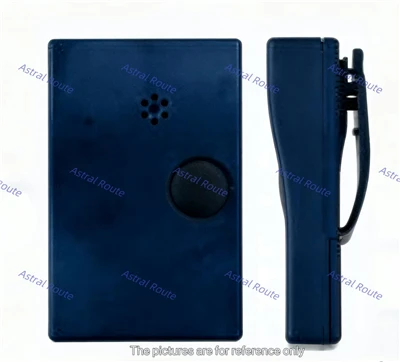
However, an increasing number of nuclear medicine departments are also adopting Electronic Personal Dosimeters (EPDs).
Unlike passive badges, electronic dosimeters provide:
Real-time dose readings
Instant dose-rate information
Audible and vibration alarms
Immediate awareness of changing radiation conditions
This additional information helps staff make informed decisions during daily operations.
Preventing Surface Contamination
Because nuclear medicine uses unsealed radioactive materials, contamination control is just as important as external dose monitoring.
Small spills or contamination on work surfaces may occur during:
Radiopharmaceutical preparation
Syringe filling
Waste disposal
Sample processing
Routine contamination monitoring helps identify radioactive residues before they spread throughout the department.
Surface contamination monitors are commonly used to inspect:
Laboratory benches
Floors
Door handles
Protective clothing
Equipment surfaces
Waste storage areas
Early detection allows contamination to be cleaned promptly, reducing both occupational exposure and cross-contamination risks.
Monitoring During Radionuclide Therapy
Therapeutic procedures often involve significantly higher levels of radioactive material than routine diagnostic imaging.
Examples include:
Radioiodine therapy
Lutetium-177 treatments
Yttrium-90 procedures
Other targeted radionuclide therapies
These treatments require additional radiation protection measures for both healthcare workers and surrounding personnel.
Real-time monitoring, controlled access areas, and continuous dose assessment become increasingly important during therapeutic applications.
Equipment Calibration Should Never Be Overlooked
Radiation monitoring instruments are only effective if they provide accurate measurements.
Hospitals should ensure that:
Personal dosimeters remain within calibration schedules
Survey meters are tested regularly
Contamination monitors undergo routine performance verification
Calibration certificates are properly documented
Accurate instruments support both patient safety and regulatory compliance.
Delaying calibration may compromise confidence in radiation measurements and increase audit risks.
Radiation Safety Training Builds Better Habits
Even the most advanced monitoring equipment cannot replace proper training.
Regular education helps staff understand:
Safe handling techniques
Contamination prevention
Emergency response procedures
Waste management requirements
Correct use of monitoring instruments
Ongoing refresher training also helps new employees integrate quickly into established radiation safety programs.
Emergency Preparedness in Nuclear Medicine
Although radiation incidents are uncommon, every department should maintain clear emergency procedures.
Typical emergency planning includes:
Managing accidental spills
Responding to contamination events
Handling damaged radioactive containers
Recovering lost radioactive materials
Reporting abnormal radiation incidents
Periodic emergency drills improve staff confidence and ensure a rapid, coordinated response if an incident occurs.
Digital Radiation Monitoring Is Becoming the New Standard
Healthcare facilities are increasingly moving toward digital radiation safety management.
Modern monitoring systems offer:
Electronic personal dosimetry
Digital dose records
Automatic alarm notifications
Centralized exposure management
Simplified audit reporting
These technologies improve efficiency while providing greater visibility into occupational radiation exposure.
As hospitals continue modernizing their radiation safety programs, electronic monitoring solutions are becoming more widely adopted.
Supporting Radiation Safety in Healthcare
Modern radiation protection requires reliable monitoring equipment that supports both routine clinical work and regulatory compliance.
Astral Route supplies a range of radiation monitoring solutions suitable for healthcare, laboratory, research, and industrial environments, including:
Electronic Personal Dosimeters
Portable Radiation Survey Meters
Surface Contamination Monitors
Neutron Dosimeters for specialized applications
Portable Tritium Monitoring Systems for research facilities
These solutions help healthcare organizations strengthen occupational radiation protection while improving operational efficiency.
See customized solutions for you at https://www.astralroutetech.com/radiation-dosimeter/
FAQ
Why do nuclear medicine staff wear personal dosimeters?
They monitor occupational radiation exposure and help ensure that annual dose limits are not exceeded.
Are electronic dosimeters better than passive badges?
Electronic dosimeters provide real-time dose information and immediate alarms, while passive dosimeters primarily record cumulative exposure for later analysis. Many facilities use both together.
Why are contamination monitors important?
Because nuclear medicine uses unsealed radioactive materials, contamination monitoring helps detect and remove radioactive residues before they spread.
How often should radiation monitoring equipment be calibrated?
Calibration intervals depend on local regulations and manufacturer recommendations, but annual calibration is common for many radiation monitoring instruments.
Is radiation exposure in nuclear medicine dangerous?
When proper radiation protection procedures are followed, occupational exposure is generally well controlled and maintained within internationally accepted safety limits.
Final Thoughts
Radiation safety is an essential part of every nuclear medicine department. As diagnostic imaging and radionuclide therapies continue to expand, hospitals must balance clinical efficiency with effective radiation protection for staff, patients, and visitors.
By combining the ALARA principle with personal dosimetry, contamination monitoring, routine equipment calibration, and ongoing staff training, healthcare facilities can create a safer working environment while maintaining high standards of patient care.
As nuclear medicine continues to evolve, modern radiation monitoring technologies will remain a key component of responsible and compliant healthcare operations.