PET/CT has become an important diagnostic tool in oncology and other areas of nuclear medicine. But for hospitals operating PET/CT facilities, the challenge is not simply acquiring an advanced imaging system.
Radiation protection has to work around the entire patient journey.
A patient injected with a radiopharmaceutical can become a radiation source for a period of time. Technologists may need to remain nearby during positioning or patient assistance. Nurses, physicians, cleaners, maintenance personnel, and other staff may also enter areas where radiation levels are elevated.
This creates a very different radiation protection challenge from conventional CT.
For hospital managers and radiation safety officers, the practical question is not whether PET/CT requires radiation monitoring. It is how to maintain adequate monitoring without slowing patient throughput or creating unnecessary operational complexity.
Why PET/CT Creates a Different Radiation Safety Challenge?
CT produces X-rays only when the scanner is operating. PET involves radioactive material administered to the patient, which means radiation exposure can continue after the injection and during patient movement.
This affects several areas of a nuclear medicine department, including:
Radiopharmaceutical preparation
Injection rooms
Patient waiting areas
PET/CT scanning rooms
Recovery and discharge areas
Radioactive waste handling areas
The distribution of radiation is therefore closely linked to workflow.
A radiation protection program must consider not only the imaging equipment, but also where patients and staff move throughout the department.
Staff Exposure Is Often a Workflow Problem
PET/CT technologists do not simply operate a scanner from behind a control console.
They may need to help patients who are elderly, mobility-impaired, confused, or physically weak. In some situations, staff may need to spend additional time near an injected patient.
The longer the interaction, the greater the potential occupational exposure.
This makes the basic radiation protection principles particularly important:
Reduce unnecessary time near the source
Increase distance whenever practical
Use appropriate shielding
Monitor exposure when required
Personal dosimetry provides an additional layer of information by documenting occupational exposure over time.
Why Personal Dosimetry Matters in PET/CT
Radiation workers in nuclear medicine may be exposed repeatedly over many procedures rather than during one high-dose event.
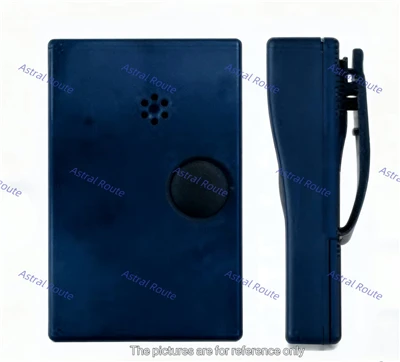
An electronic personal dosimeter can provide real-time information about accumulated dose and dose rate, depending on the instrument configuration.
For hospital radiation safety teams, this can help with:
Routine exposure monitoring
Investigation of unusual dose readings
Worker exposure management
Safety training
Documentation and audits
The value is particularly clear when staff members perform large numbers of PET examinations each week.
Instead of relying entirely on retrospective records, electronic monitoring can give workers immediate feedback during their activities.
Patient Throughput Adds Operational Pressure
PET/CT departments often operate according to tightly managed appointment schedules.
A delay in one part of the process can affect the rest of the day's workload.
Radiation protection procedures therefore need to fit naturally into clinical operations.
For example, if a department relies on slow or difficult-to-use radiation monitoring equipment, routine surveys may become inconvenient. Staff may then be tempted to reduce the frequency or scope of checks.
Portable and easy-to-operate radiation monitoring equipment can help make radiation safety procedures more practical in a busy clinical environment.
Monitoring Radiation Around Controlled Areas
Portable radiation survey meters can be used by qualified personnel to assess radiation levels around relevant areas of a PET/CT department.
Depending on the facility's radiation protection program, monitoring may be useful around:
Injection areas
Patient uptake rooms
PET/CT rooms
Radioactive material handling areas
Waste storage locations
The objective is to verify that radiation levels remain consistent with the facility's established controls and procedures.
Measurements can also help identify unexpected changes that may require investigation.
Radiopharmaceutical Handling Requires Additional Attention
PET/CT facilities handle radioactive substances such as fluorine-18-based radiopharmaceuticals and, depending on clinical applications, other radionuclides.
This introduces risks that are different from external radiation exposure alone.
A spill or contamination event can result in radioactive material being deposited on:
Work surfaces
Gloves
Floors
Equipment
Protective clothing
Where contamination is a realistic concern, surface contamination monitoring can complement personal dosimetry and radiation surveys.
This is particularly relevant to facilities that prepare, inject, transport, or dispose of radioactive materials on site.
Contamination Control Can Prevent Wider Disruption
A small contamination event can become an operational problem if it is detected late.
For example, radioactive material transferred from an injection area to a shared surface may require additional investigation and decontamination.
The consequences can include:
Restricted access
Additional radiation surveys
Cleaning and decontamination
Delayed procedures
Additional documentation
Early identification allows staff to respond while the affected area is still limited.
For busy hospitals, this is not only a safety issue. It can also be an efficiency issue.
Choosing Radiation Monitoring Equipment for PET/CT
Hospitals should avoid selecting radiation detection equipment based on a single specification such as detector sensitivity.
The actual clinical workflow matters.
Procurement teams may want to consider:
What radionuclides need to be monitored?
Is the instrument intended for personnel, surfaces, or radiation fields?
Is real-time monitoring required?
Are audible or vibration alarms useful?
How frequently will the instrument be used?
How will calibration be managed?
Can staff operate it quickly during routine work?
Is portable equipment needed across multiple rooms?
Different monitoring instruments serve different purposes.
An electronic personal dosimeter is not a replacement for a survey meter, and neither should be treated as a contamination monitor.
Supporting Modern Nuclear Medicine Departments
As PET/CT services expand, radiation protection programs need to keep pace with clinical workload.
Astral Route provides radiation monitoring equipment for applications involving personal exposure, radiation fields, and radioactive contamination, including electronic personal dosimeters, portable radiation survey solutions, and surface contamination monitors.
For hospitals and nuclear medicine facilities, the appropriate combination depends on the radionuclides handled, facility layout, workflow, and local radiation protection requirements.
The focus should be practical: reliable measurements, manageable procedures, and equipment that fits into everyday clinical operations.
See customized solutions for you at
https://www.astralroutetech.com/radiation-dosimeter/
FAQ
Do PET/CT workers need radiation monitoring?
Radiation monitoring requirements depend on local regulations, facility procedures, worker classification, and the nature of the work. Personnel working with radiopharmaceuticals may be subject to occupational monitoring requirements.
Why is PET/CT different from conventional CT?
PET involves radioactive material administered to the patient, so radiation exposure considerations extend beyond the period when the imaging scanner is operating.
Are electronic personal dosimeters useful in PET/CT departments?
They can provide real-time dose and dose-rate information and may be useful for workers who regularly interact with radioactive patients or materials.
Is a personal dosimeter enough for PET/CT radiation protection?
No single instrument covers every radiation protection need. Depending on the facility, personal dosimeters, survey meters, contamination monitors, and other controls may serve different purposes.
When is contamination monitoring important?
It can be particularly relevant where radioactive materials are prepared, administered, transported, or handled, especially when spills or surface contamination are possible.
What should hospitals consider when purchasing radiation monitoring equipment?
Hospitals should consider the radionuclides involved, intended measurement purpose, detection performance, alarms, portability, calibration requirements, environmental conditions, and ease of routine use.
Final Thoughts
Radiation protection in PET/CT facilities is ultimately a workflow challenge as much as a technology challenge.
Staff need protection while maintaining patient care. Radiation safety officers need reliable measurements and records. Hospital managers need procedures that support compliance without unnecessarily disrupting clinical throughput.
A combination of appropriate personal dosimetry, radiation surveying, contamination monitoring, and well-designed work procedures can provide a more complete approach to radiation safety.
For PET/CT departments reviewing or upgrading their radiation monitoring equipment, the starting point should be the actual workflow: where radioactive material is handled, where patients move, where staff spend time, and where radiation protection decisions need reliable measurement data.