Australia's mining industry operates in some of the world's most demanding environments. From remote iron ore operations in Western Australia to underground mines, mineral sands processing plants, and large-scale resource facilities, maintaining worker safety while keeping operations productive is a constant challenge.
Dust exposure, heavy machinery, confined spaces, and equipment maintenance are familiar concerns. Radiation risks, however, can receive less attention until a site assessment identifies a specific hazard or monitoring equipment raises questions about workplace conditions.
For mining operators, the challenge is not simply to detect radiation. It is to identify the relevant exposure pathways, select suitable monitoring equipment, maintain reliable records, and demonstrate that risks are being properly controlled.
For companies involved in mining, mineral processing, and industrial inspection, a well-planned radiation monitoring program can support worker protection, compliance management, and operational continuity.
Where Do Radiation Risks Arise in Australian Mining?
Radiation risks vary significantly between mining operations. Not every mine requires the same monitoring arrangements, and the equipment used should reflect the actual hazards identified in the workplace.
Two applications deserve particular attention.
Naturally Occurring Radioactive Materials (NORM)
Some ores, mineral sands, and processing residues contain naturally occurring radioactive materials. Depending on the deposit and processing method, radioactive elements may become concentrated in particular materials, residues, scale, or dust.
Relevant applications can include uranium mining and milling, mineral sands processing, and certain rare earth and other mineral operations.
Workers may need protection from external gamma radiation, radioactive contamination, or the inhalation of radioactive dust and other airborne materials. These exposure pathways require different assessment and control methods. A handheld radiation detector alone cannot address every risk.
Australia's radiation protection guidance specifically addresses occupational exposure in mining and mineral processing, including monitoring, dose assessment, and recordkeeping, provides useful background for operators reviewing their programs.
Industrial Radiography During Maintenance
Mining sites also depend on non-destructive testing (NDT) to inspect welds, pipelines, pressure systems, structural components, and processing equipment.
During maintenance shutdowns, industrial radiography contractors may use X-ray generators or sealed gamma sources to examine weld integrity without cutting open the component.
These operations introduce a different radiation safety challenge. Work areas may be busy, inspection locations may change, and other maintenance crews may be working nearby. Poor coordination or incorrectly controlled access can expose people who are not involved in the inspection.
For mining companies, radiation monitoring equipment is an important part of managing these activities alongside contractor competency, work permits, and site-specific radiation procedures.
The Hidden Cost of Inadequate Radiation Monitoring
Radiation safety problems do not always begin with a major incident. Sometimes, they start with an instrument that has not been properly maintained, an incomplete exposure record, or uncertainty about whether a work area has been adequately surveyed.
These weaknesses can create several business risks.
Worker protection: Inaccurate readings or missing exposure information can undermine decisions about access, work duration, and protective measures.
Maintenance delays: If monitoring equipment fails or its calibration status cannot be verified, planned inspection work may need to pause while suitable equipment is obtained.
Compliance pressure: Missing records, unsuitable instruments, or inconsistent monitoring practices can complicate audits and contractor assessments.
Remote-site logistics: At isolated mining operations, replacing a failed instrument may take considerably longer than it would at a metropolitan facility.
The commercial case for reliable monitoring is therefore straightforward: equipment must be ready when the work requires it, and its measurements must be appropriate for the task.
Which Radiation Monitoring Equipment Do Mining Operators Need?
The right equipment depends on the radiation source, exposure pathway, and operational requirements. A practical monitoring program may include several complementary instruments.
Electronic Personal Dosimeters
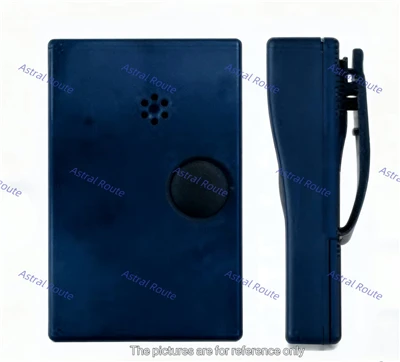
Electronic personal dosimeters provide workers with real-time dose information and, depending on the model, audible, visual, or vibration alarms.
They can be useful for appropriately selected radiation work, including industrial radiography and certain mining or processing activities where individual dose monitoring is required or specified by the radiation management plan.
For contractors working across multiple sites, electronic dosimeters can also provide immediate feedback during operations rather than relying solely on retrospective dose reports.
Portable Radiation Survey Meters
Portable survey meters measure radiation levels in the surrounding environment. Depending on detector type and instrument specifications, they can support radiation surveys, work-area assessments, and checks around industrial radiography equipment.
For mining operators, instrument selection should account for the radiation type and energy range expected at the site. A general-purpose survey meter should not automatically be assumed suitable for every radiological hazard.
Neutron Dosimeters
Neutron monitoring is relevant to specialised applications where neutron radiation may be present, including certain industrial radiography, borehole logging, research, and radiation-source environments.
A neutron dosimeter is not a standard requirement for every mine. It should be selected when the workplace radiation assessment identifies a credible neutron exposure pathway.
Surface Contamination Monitors
Where radioactive material may be transferred onto equipment, tools, clothing, or work surfaces, a contamination monitor can help identify affected items before contamination spreads.
This is particularly relevant to certain mineral processing operations, radioactive material handling, and maintenance activities involving contaminated equipment or residues.
Why Equipment Reliability Matters in Remote Mining Operations
Australian mining sites can expose instruments to dust, vibration, temperature extremes, and long periods of field use. Remote operations also make repair and replacement more difficult.
Before purchasing radiation monitoring equipment, buyers should assess:
Whether the detector is suitable for the radiation type and measurement range.
Calibration requirements and the availability of appropriate servicing.
Battery life and ease of field charging.
Display readability in outdoor and low-light conditions.
Enclosure protection and suitability for the intended environment.
Alarm settings and ease of operation.
Availability of technical documentation, spare parts, and after-sales support.
A lower purchase price may not represent better value if an instrument is unsuitable for the application or difficult to maintain over its service life.
For procurement teams, comparing specifications against a clearly defined operational requirement is more useful than selecting equipment based on price alone.
Meeting Australian Radiation Safety Expectations
Radiation protection requirements in Australia vary according to the activity and the state or territory in which it takes place. Industrial radiography, uranium operations, mineral sands processing, and other radiation practices may be subject to different authorisations, monitoring arrangements, and recordkeeping requirements.
Operators should confirm the applicable requirements with their Radiation Safety Officer (RSO) and relevant regulator before selecting or deploying equipment.
For example, ARPANSA publishes guidance on occupational exposure in mining, while industrial radiography is addressed separately in its radiation protection requirements. These documents provide a starting point, but they do not replace applicable state or territory legislation or site-specific requirements.
Monitoring instruments should be maintained and calibrated according to applicable requirements, manufacturer guidance, and the organisation's radiation management procedures.
Radiation Monitoring Solutions for Mining and Industrial Buyers
Astral Route supplies radiation detection equipment for industrial and radiation protection applications, including electronic personal dosimeters, neutron dosimeters, portable radiation monitoring instruments, surface contamination monitors, and portable tritium monitors.
For Australian mining companies, mineral processing operators, and NDT contractors, the key is to match each instrument to a clearly defined task.
A contractor performing gamma radiography may prioritise personal dose monitoring and portable survey meters. A facility handling mineral residues containing NORM may need a different combination of workplace surveys, contamination checks, and exposure assessment tools.
Astral Route can help buyers review suitable equipment options based on their intended application, required detector type, measurement range, and operational conditions.
If you are reviewing existing radiation monitoring equipment or preparing for a maintenance campaign, sharing your application requirements can be a practical first step toward identifying an appropriate solution.
See tailored solutions here https://www.astralroutetech.com/radiation-dosimeter/
FAQ
Is radiation monitoring necessary at every Australian mine?
No. Requirements depend on the materials handled, workplace conditions, identified exposure pathways, and applicable regulations. Some mining and processing activities require specific radiation assessments and monitoring, while others may have limited radiological risks.
What is the difference between a personal dosimeter and a survey meter?
A personal dosimeter measures an individual's radiation dose or provides an estimate of personal exposure. A survey meter measures radiation levels in the surrounding environment. They serve different purposes and are not interchangeable.
Do mining operations need neutron dosimeters?
Only where neutron exposure is a relevant hazard or where the applicable assessment or requirements call for neutron monitoring. The need should be established through the site's radiation assessment.
Can one radiation detector measure every type of radiation?
No. Detector response varies by instrument design, radiation type, energy, and measurement range. Buyers should verify suitability for the intended application before purchasing.
What should Australian mining companies check before purchasing radiation monitors?
Important considerations include detector suitability, calibration requirements, measurement range, environmental durability, battery performance, documentation, and technical support. Buyers should also confirm any local approval or regulatory requirements that apply to the intended use.
Final Thoughts
Radiation monitoring in Australia's mining industry is not a one-size-fits-all requirement.
The most effective approach begins with understanding the hazard, choosing suitable instruments, and maintaining reliable monitoring and recordkeeping procedures.
For mining operators and industrial inspection contractors, dependable equipment helps support informed safety decisions, reduce avoidable disruption, and maintain confidence in radiation protection arrangements.
If your operation is reviewing personal dosimeters, portable survey meters, neutron monitoring, or contamination detection, Astral Route can help you explore equipment options aligned with your application and procurement requirements.