The construction of a Liquefied Natural Gas (LNG) plant is one of the most technically demanding projects in the energy industry. These facilities involve complex piping networks, cryogenic systems, pressure equipment, storage tanks, and large-scale processing units that require extremely high standards of quality control.
During construction and commissioning, non-destructive testing (NDT) plays a critical role in verifying the integrity of welds and pressure-containing components. Among various inspection methods, radiographic testing (RT) remains an important technique because it can detect internal defects that may not be visible through conventional surface inspection methods.
However, the use of X-ray and gamma radiation during RT introduces a specific safety challenge: controlling occupational radiation exposure.
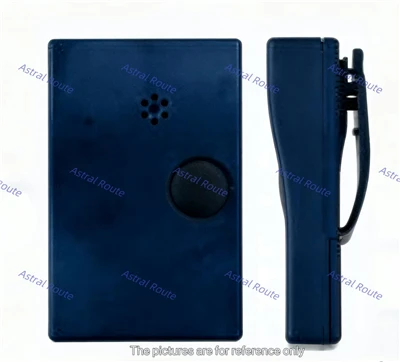
For LNG plant construction contractors, personal dosimetry is an essential part of radiation protection management. It provides individual exposure tracking, supports regulatory compliance, and helps ensure that workers involved in or near radiographic activities can perform their tasks safely.
Why Radiation Safety Matters During LNG Construction
LNG plants are not naturally radioactive facilities. Unlike nuclear power plants, radiation risks during LNG construction mainly come from temporary inspection activities.
Radiography is commonly performed to examine:
Process piping welds
Cryogenic pipeline joints
Pressure vessels
Heat exchangers
Storage tank components
Structural weld connections
Large LNG projects may involve thousands of weld inspections before systems are approved for operation.
During these activities, radiation sources such as Iridium-192 or Cobalt-60 may be used for gamma radiography. These sources provide excellent penetration capability, but they require strict safety controls to prevent unnecessary exposure.
The Role of Personal Dosimetry in LNG Projects
Personal dosimetry is the process of measuring and recording the radiation dose received by individual workers.
In LNG construction environments, dosimetry programs help organizations answer important safety questions:
How much radiation exposure has each worker received?
Are workers approaching established dose limits?
Are certain activities creating higher exposure levels?
Are radiation protection measures effective?
A well-managed personal dosimetry program provides visibility into worker exposure and supports proactive safety decisions.
Without accurate dose monitoring, radiation safety teams cannot effectively evaluate occupational exposure risks.
Challenges of Managing Radiation Exposure on LNG Construction Sites
Unlike permanent operating facilities, LNG construction sites are constantly changing.
New equipment is installed every day. Work areas expand and shift. Different contractors enter and leave the project throughout the construction cycle.
This creates several radiation safety challenges:
Multiple contractors working simultaneously
Large LNG projects involve:
Welding teams
Mechanical contractors
Electrical installers
Commissioning engineers
NDT technicians
Equipment suppliers
Radiographic testing may occur while other activities continue nearby, increasing the importance of accurate personal exposure monitoring.
Changing work locations
Radiography may be performed in different plant sections depending on construction progress.
Workers may move between:
Pipe racks
Process modules
Compressor areas
Storage facilities
Utility systems
Portable personal dosimetry allows radiation protection programs to follow workers wherever they operate.
Electronic Personal Dosimeters vs Passive Dosimeters
Traditional passive dosimeters, including film badges and TLD/OSL badges, have been widely used for occupational radiation monitoring.
They provide valuable information about accumulated exposure over a monitoring period.
However, they have an important limitation:
They do not provide immediate feedback.
Electronic Personal Dosimeters (EPDs) offer additional capabilities, including:
Real-time dose display
Instant dose-rate monitoring
Audible alarms
Vibration alerts
Digital exposure records
For LNG construction projects where radiography activities may occur in busy and changing environments, real-time awareness provides an additional layer of protection.
How Electronic Dosimeters Improve Worker Safety
During an RT operation, conditions can change quickly.
For example:
A worker may unintentionally approach a controlled radiation area while performing another construction task.
A traditional passive badge will not warn the worker.
An electronic personal dosimeter can immediately provide an alert.
This allows the worker to:
Stop and assess the situation
Move away from the radiation field
Contact radiation safety personnel
Prevent unnecessary exposure
This immediate response capability is one reason electronic dosimetry is becoming increasingly common in major industrial projects.
Supporting Radiographic Testing During LNG Construction
Radiographic inspection is often performed under strict project schedules.
Delays in inspection can affect:
Construction milestones
Commissioning dates
Equipment installation sequences
Overall project completion
Radiation monitoring helps RT contractors maintain safe productivity.
By providing accurate exposure information, personal dosimetry allows teams to:
Plan worker assignments
Rotate personnel when necessary
Identify high-exposure tasks
Maintain compliance without unnecessary interruptions
Safety and efficiency are not competing objectives. Effective radiation monitoring helps achieve both.
Personal Dosimetry During LNG Shutdown and Maintenance Activities
After an LNG facility enters operation, maintenance projects may also require radiographic testing.
Examples include:
Pipeline repair inspection
Weld modification verification
Pressure equipment maintenance
Equipment replacement projects
During these activities, operational constraints are often even greater because the facility may continue running.
Radiation work must be carefully coordinated with production teams.
Personal dosimetry becomes especially important because workers may operate near active process areas with limited space for establishing large exclusion zones.
Compliance Requirements for LNG Projects
Major LNG developments are typically subject to strict international safety standards and client requirements.
Radiation protection programs usually require:
Individual dose monitoring
Valid calibration records
Worker radiation training
Exposure documentation
Controlled area procedures
Project owners and EPC contractors often require NDT companies to demonstrate effective radiation safety management before allowing site access.
A reliable personal dosimetry system helps contractors meet these expectations and maintain their reputation as qualified inspection providers.
The Importance of Reliable Dosimetry Equipment
LNG construction environments can be challenging for electronic equipment.
Radiation monitoring devices may experience:
High humidity
Dust exposure
Temperature changes
Mechanical impact
Long working hours
Therefore, dosimeters used in industrial projects should provide:
Stable measurement performance
Reliable alarms
Long battery operation
Easy calibration management
Durable field performance
Equipment reliability directly affects both safety and project continuity.
Digital Radiation Management for Large LNG Projects
Modern LNG projects are increasingly adopting digital safety management systems.
Advanced radiation monitoring solutions can support:
Electronic dose records
Exposure trend analysis
Calibration tracking
Safety reporting
Audit preparation
For large EPC projects involving hundreds or thousands of workers, digital radiation management improves efficiency and reduces administrative burden.
Choosing the Right Personal Dosimetry Solution
When selecting personal dosimeters for LNG construction projects, organizations should consider:
Real-time monitoring capability
Immediate exposure information helps workers make safer decisions.
Alarm functions
Audible and vibration alarms provide additional protection in noisy construction environments.
Data management
Digital records simplify compliance reporting and project documentation.
Environmental durability
Equipment should perform reliably in demanding industrial conditions.
Supporting Radiation Safety in LNG Construction
Astral Route provides radiation monitoring solutions designed for industrial applications, including LNG construction and NDT environments.
The product range includes:
Electronic Personal Dosimeters
Portable Radiation Survey Meters
Neutron Dosimeters
Surface Contamination Monitors
Tritium Monitoring Instruments
These solutions help contractors and industrial operators improve radiation awareness, strengthen compliance management, and protect workers involved in critical inspection activities.
FAQ
Why is personal dosimetry needed in LNG plant construction?
Personal dosimetry is required because radiographic testing during LNG construction involves controlled radiation exposure that must be monitored and documented.
Are LNG plants radioactive facilities?
No. Radiation risks mainly come from temporary NDT activities such as gamma radiography during construction and maintenance.
What is the advantage of electronic personal dosimeters?
They provide real-time exposure information and alarms, allowing workers to respond immediately to changing radiation conditions.
Who needs to wear a dosimeter during LNG construction?
Personnel involved in radiography operations and workers entering designated radiation-controlled areas may require personal dose monitoring according to project requirements.
How does personal dosimetry support compliance?
It provides documented exposure records that help demonstrate compliance with occupational radiation safety requirements.
Final Thoughts
LNG plant construction requires precision, reliability, and strict safety management. While radiographic testing is essential for ensuring weld quality and long-term facility integrity, radiation exposure must always be carefully controlled.
Personal dosimetry provides the foundation for effective radiation protection by allowing organizations to monitor worker exposure, improve safety awareness, and meet increasingly demanding project requirements.
As LNG projects continue expanding worldwide, modern personal dosimetry solutions will remain a critical tool for protecting workers and supporting safe, efficient construction operations.