Radiation monitoring is becoming an increasingly important part of modern industrial safety management.
In facilities where radioactive materials, radiation-generating equipment, or radiation-based inspection technologies are used, traditional monitoring methods may not provide enough real-time information for increasingly automated operations.
Smart industrial facilities are changing this model. By combining radiation detectors, electronic dosimeters, wireless communication, data analytics, and automated inspection platforms, companies can build more responsive radiation monitoring systems that provide continuous visibility across their operations.
The concept of intelligent radiation monitoring is particularly relevant to nuclear facilities, industrial radiography operations, research laboratories, oil and gas inspection sites, and other environments where radiation exposure needs to be carefully controlled.
Why Radiation Monitoring Is Becoming More Intelligent?
Traditional radiation safety programs often depend on handheld instruments, personal dosimeters, scheduled surveys, and manual record keeping. These methods remain important, but they can leave gaps between inspections.
A smart monitoring system takes a more continuous approach.
Instead of relying entirely on periodic measurements, connected radiation monitoring equipment can collect data throughout an operation and provide alerts when radiation levels change unexpectedly.
This can help safety teams:
Identify abnormal radiation levels earlier
Monitor workers and restricted areas
Maintain more complete exposure records
Respond faster to alarm conditions
Improve radiation safety management
Integrate radiation data with other industrial systems
For large facilities, the ability to centralize this information can make a significant difference.
The Role of Electronic Radiation Dosimeters
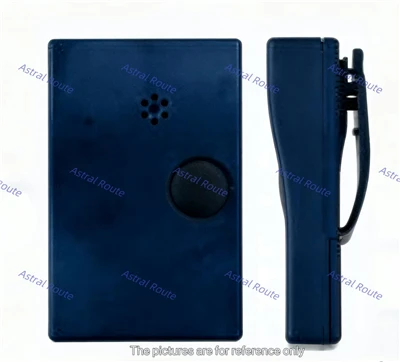
Electronic radiation dosimeters are an important component of intelligent radiation safety systems.
Unlike passive dosimeters that are typically processed after a monitoring period, electronic devices can provide immediate dose information and, depending on the model, audible or visual alarms.
A modern electronic radiation dosimeter may monitor parameters such as accumulated dose and dose rate, allowing workers to understand their exposure conditions while they are working.
For industrial radiography teams, this is particularly valuable. Radiographers may work around X-ray or gamma radiation sources during inspection projects, often in changing field conditions. Real-time alarms can provide an additional layer of protection when radiation levels exceed predefined thresholds.
Wireless connectivity can further improve the usefulness of electronic dosimeters by allowing exposure information to be transferred to a central monitoring platform.
Connecting Radiation Monitoring With Industrial IoT
Smart industrial facilities increasingly rely on Industrial Internet of Things (IIoT) architectures.
Radiation monitoring equipment can become another source of operational data within this environment.
A connected system may combine radiation measurements with information from:
Environmental sensors
Access control systems
CCTV
Equipment monitoring platforms
Worker management systems
Industrial control networks
This creates a broader picture of what is happening inside a facility.
For example, if radiation levels increase in a controlled area, the monitoring platform could identify the location, compare the reading with historical data, and notify designated safety personnel.
The objective is not simply to collect more data. It is to make radiation safety information available at the right time so that people can make faster and better decisions.
Intelligent Radiation Monitoring for Industrial Radiography
Industrial radiography is one area where real-time radiation monitoring can provide clear operational value.
NDT contractors may work at refineries, pipelines, fabrication yards, shipyards, power plants, and other industrial sites. Inspection conditions can change from one job to another, and temporary exclusion zones often need to be established around radiation sources.
In these environments, personal electronic dosimeters can help workers monitor their exposure during the inspection process.
Additional radiation detectors can be positioned around controlled areas to provide supplementary environmental measurements.
This combination creates multiple layers of monitoring rather than relying on a single instrument.
Mobile Radiation Monitoring With Robotic Platforms
Another emerging development is the integration of radiation sensors with mobile robotic platforms.
A quadruped robot equipped with an appropriate radiation detection payload can be used to investigate areas where sending personnel may create unnecessary exposure.
Potential applications include:
Nuclear facility inspection
Radiation source area surveys
Post-incident assessment
Industrial facility monitoring
Remote environmental surveys
The value of a robotic platform is not simply its ability to carry a detector. Its mobility allows radiation measurements to be collected from different locations while operators remain at a safer distance.
A robotic dog can also combine radiation sensing with visual and thermal cameras, creating a more comprehensive picture of an industrial environment.
This type of integration is still developing, but it illustrates where smart radiation monitoring may be heading.
Data Analytics and Early Warning
Intelligent radiation monitoring systems can also improve how historical data is used.
Instead of treating every measurement as an isolated reading, software can analyze trends over time.
For example, repeated increases in radiation levels within a particular area may indicate a change in equipment condition, source positioning, shielding performance, or operating procedures.
Data analytics can help safety teams identify these patterns and investigate them before they develop into larger problems.
For companies managing multiple facilities or large industrial sites, centralized dashboards can also make it easier to compare radiation monitoring data across different locations.
Choosing Equipment for a Smart Radiation Monitoring System
The right monitoring equipment depends heavily on the application.
Important considerations include:
Radiation Type
Facilities need to determine whether they require monitoring for gamma, X-ray, neutron, beta, or other forms of radiation.
Measurement Range
The instrument should be suitable for the expected radiation levels and operating environment.
Alarm Functions
Audible, visual, and vibration alarms can provide immediate warnings when predefined thresholds are exceeded.
Data Connectivity
For smart facilities, communication capabilities can be important for centralized monitoring and record management.
Environmental Durability
Industrial equipment may need to withstand dust, moisture, temperature changes, and frequent field use.
Check customized solutions for you at https://www.astralroutetech.com/robotic-dog/
FAQ
What is intelligent radiation monitoring?
Intelligent radiation monitoring combines radiation detection equipment with digital communication, data processing, automated alerts, and centralized monitoring to provide more continuous radiation safety information.
Why are electronic radiation dosimeters useful in smart facilities?
Electronic radiation dosimeters can provide real-time dose and dose-rate information and can warn workers when preset thresholds are exceeded.
Can radiation detectors be integrated with industrial IoT systems?
Yes. Depending on the equipment and communication architecture, radiation monitoring data can be connected with broader industrial monitoring and safety systems.
Can robotic dogs be used for radiation monitoring?
A robotic dog can carry suitable radiation detection sensors and be used for remote surveys in environments where reducing personnel exposure is desirable. The robot's suitability depends on the radiation detector, operating environment, and specific mission requirements.
Which industries need intelligent radiation monitoring?
Applications include nuclear energy, industrial radiography, oil and gas NDT, research facilities, healthcare, manufacturing, and other industries that work with radiation sources or radiation-generating equipment.
Conclusion
Intelligent radiation monitoring is becoming an important part of the transition toward safer and more connected industrial facilities.
Electronic radiation dosimeters, area radiation monitors, wireless communication, data analytics, and mobile robotic platforms can work together to provide a more complete view of radiation conditions.
For industrial operators, the goal is not to replace established radiation protection procedures.
Instead, smart monitoring technologies can strengthen those procedures by providing faster alerts, better data visibility, and more continuous monitoring.
As industrial facilities continue adopting IIoT, automation, and autonomous inspection technologies, radiation monitoring is likely to become increasingly connected with the wider industrial safety ecosystem.