

Radiation protection in hospitals is becoming harder to manage as medical imaging, nuclear medicine, radiotherapy, and radiopharmaceutical applications become more sophisticated.
The challenge is not simply that hospitals use radiation. The bigger issue is that different departments face very different exposure conditions.
A radiographer working around X-ray or CT equipment has a different risk profile from a nuclear medicine technician handling radiopharmaceuticals. Staff working in PET/CT, interventional imaging, radiotherapy, or radioactive material preparation may also encounter different exposure pathways.
For hospital managers, this creates a practical question:
Is the current radiation monitoring program actually providing enough information to manage occupational exposure?
A modern radiation protection program needs more than occasional measurements and passive dose records. It needs appropriate monitoring equipment, reliable data, clear procedures, and a way to identify problems before they become incidents.
Where Hospital Radiation Protection Programs Often Fall Short
Many hospitals already have radiation safety procedures in place. The problem is that these procedures can become fragmented over time.
Different departments may use different monitoring practices.
Some workers may rely primarily on passive badges, while others need real-time electronic monitoring. Survey meters may be available but not always positioned where they are most useful.
Common challenges include:
Limited real-time exposure information
Aging radiation monitoring equipment
Calibration delays
Manual dose records
Inconsistent monitoring between departments
Difficulty identifying higher-exposure tasks
Increasing documentation and compliance requirements
These issues may not create an obvious problem during routine operations. They become much more important when a hospital expands nuclear medicine services, introduces new imaging technologies, or handles more radioactive materials.
Build the Program Around Actual Exposure Risks
The first step is not buying more equipment. It is understanding where radiation exposure actually occurs.
For example, a hospital may need different monitoring approaches for:
Diagnostic radiology
CT
Interventional procedures
Nuclear medicine
PET/CT
Radiotherapy
Radiopharmaceutical preparation
Radioactive waste handling
Research laboratories
ICRP guidance emphasizes that medical radiation protection is an ongoing optimisation process involving clinical staff, medical physicists, radiographers, management, and other specialists.
From a procurement perspective, this means hospitals should avoid selecting one type of detector simply because it is already used elsewhere in the facility.
The right equipment depends on the radiation source, work pattern, radionuclides involved, and monitoring objective.
Electronic Personal Dosimeters Add Real-Time Visibility
Passive badges remain useful for occupational dose recording, but they do not tell a worker what is happening at the moment of exposure.
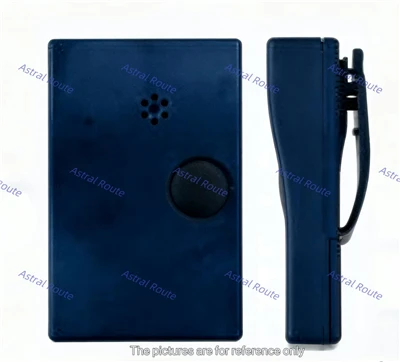
An electronic personal dosimeter can provide real-time information such as:
Current dose
Dose rate
Alarm status
Exposure trends
This is particularly useful for workers whose exposure can vary significantly during a shift.
For example, nuclear medicine personnel may move between preparation areas, injection rooms, imaging rooms, and patient-care areas. A real-time dosimeter gives workers immediate feedback instead of requiring them to wait for processed dose results.
For hospital buyers, the key question is therefore not whether electronic dosimetry should replace every passive monitoring method. It is whether certain tasks would benefit from immediate exposure awareness.
Nuclear Medicine Requires a More Layered Approach
Nuclear medicine presents a different radiation protection challenge because staff may work directly with unsealed radioactive materials and radiopharmaceuticals.
Activities can include:
Preparation of radiopharmaceuticals
Dose dispensing
Patient injection
PET/CT procedures
SPECT procedures
Radioactive waste handling
ICRP notes that individual monitoring and extremity dose monitoring should be considered in radiopharmaceutical therapy and in the preparation and administration of radiopharmaceuticals.
This makes it important for hospitals to distinguish between whole-body monitoring and task-specific monitoring.
An electronic personal dosimeter may be appropriate for whole-body exposure monitoring, while additional contamination or extremity monitoring may be required depending on the facility's procedures and radionuclides.
Surface Contamination Is an Often-Missed Part of Hospital Safety
External radiation dose is only part of the picture. Where radioactive materials are handled, contamination can also become a concern.
A spill involving radioactive material may contaminate:
Workbenches
Floors
Gloves
Protective clothing
Equipment
Waste containers
A worker could receive a relatively low external dose while still transferring radioactive material to another area.
Surface contamination monitors can help radiation safety personnel identify contamination and verify that controlled areas, equipment, and personnel are being appropriately checked.
IAEA safety guidance specifically calls for workplace monitoring in nuclear medicine and notes the use of survey meters and contamination monitors for controlled and supervised areas.
PET/CT and High-Activity Work Require Careful Dose Management
PET procedures can create significant occupational exposure considerations because staff work with radiopharmaceuticals and may spend time near injected patients.
ICRP has reported substantial variation in staff doses between centres and notes that PET personnel can receive higher occupational doses than staff in conventional nuclear medicine, depending on facility design, working techniques, and protection practices.
This is where monitoring becomes useful beyond simple compliance.
Hospitals can review exposure patterns and ask practical questions:
Which tasks generate the highest staff doses?
Are particular workers receiving consistently higher exposure?
Are work procedures creating unnecessary close-contact time?
Does additional shielding or remote handling make sense?
Should task rotation be adjusted?
Monitoring data can therefore support operational optimisation rather than simply being stored in a personnel file.
Don't Ignore Aging Radiation Detection Equipment
Another common weakness is old equipment. A survey meter may still switch on after many years of use, but that does not automatically mean it remains the right instrument for modern hospital operations.
Older radiation detection equipment may suffer from:
Battery degradation
Calibration difficulties
Aging electronic components
Slow response
Unreliable alarms
Limited data management
Difficulty obtaining spare parts
These problems become particularly inconvenient during inspections, audits, or emergency situations.
IAEA guidance emphasizes that radiation monitoring measurements need appropriate procedures and quality management, and that survey meters and contamination monitors should be properly calibrated.
For hospital procurement teams, equipment age should therefore be considered alongside calibration history, maintenance costs, and operational requirements.
Calibration Should Be Managed Before It Becomes a Problem
A hospital can own high-quality radiation detectors and still have a weak monitoring program if calibration management is inconsistent.
Procurement and radiation safety teams should maintain clear records covering:
Equipment identification
Calibration dates
Next calibration due dates
Calibration certificates
Repair history
Detector performance
Equipment assignment
A device approaching the end of its service life may also be more difficult and costly to maintain.
Replacing equipment before a calibration or repair problem disrupts clinical operations can be more practical than waiting for failure.
What Should Hospital Buyers Look for?
When purchasing radiation monitoring equipment, buyers should start with the application rather than the product name.
Important questions include:
What radiation needs to be detected?
Gamma, X-ray, neutron, tritium, and radioactive contamination require different monitoring approaches.
Who will use the equipment?
Radiographers, nuclear medicine technicians, medical physicists, radiation safety officers, and maintenance personnel may have different requirements.
Is real-time monitoring necessary?
For tasks with changing exposure conditions, electronic personal dosimeters can provide immediate dose and alarm information.
Is contamination possible?
If unsealed radioactive materials are handled, surface contamination monitoring may be necessary.
Where will the equipment operate?
Hospitals should consider portability, battery life, environmental conditions, ease of use, and calibration requirements.
How Astral Route Can Support Hospital Radiation Monitoring
Astral Route provides a range of radiation detection equipment that can support different hospital radiation protection requirements.
The product range includes:
Electronic personal radiation dosimeters
Personal neutron dosimeters
Surface contamination monitors
Portable tritium monitors
Other radiation monitoring solutions for industrial and specialised applications
For hospitals, the value is not simply having more radiation detectors. It is having the appropriate type of monitoring available for the specific radiation risk.
An electronic dosimeter can provide real-time personal exposure information. A contamination monitor can support controlled-area checks where radioactive materials are handled. A specialised tritium monitor can be considered for facilities where tritium monitoring is relevant.
This allows procurement teams to build a more application-specific monitoring program rather than relying on a one-size-fits-all approach.
A Practical Hospital Radiation Protection Checklist
Before upgrading a radiation monitoring program, hospital managers can review five areas:
1. Personnel Monitoring
Identify which staff require personal monitoring and whether some tasks would benefit from real-time electronic dosimetry.
2. Workplace Monitoring
Check whether survey meters are available, calibrated, and appropriate for the radiation sources present.
3. Contamination Control
For facilities handling unsealed radioactive materials, evaluate whether existing contamination monitoring is sufficient.
4. Equipment Lifecycle
Review the age, calibration history, battery condition, repair record, and manufacturer support for existing instruments.
5. Documentation
Make sure monitoring results, calibration records, maintenance records, and exposure data can be retrieved efficiently during internal reviews or regulatory inspections.
Check customized solutions for you here https://www.astralroutetech.com/radiation-dosimeter/
FAQ
Why do hospitals need radiation monitoring equipment?
Hospitals use ionising radiation and radioactive materials in several departments. Monitoring helps assess occupational exposure, verify workplace conditions, support radiation protection procedures, and meet applicable regulatory requirements.
Are passive badges enough for hospital staff?
Passive dosimeters can provide important cumulative exposure records, but they do not provide immediate feedback. Electronic personal dosimeters can add real-time dose and alarm information where operational conditions justify their use.
Which hospital departments may need radiation monitoring?
Diagnostic radiology, CT, interventional imaging, nuclear medicine, PET/CT, radiotherapy, research laboratories, and radioactive material handling areas may have different monitoring requirements.
Does nuclear medicine require contamination monitoring?
Where unsealed radioactive materials are handled, contamination monitoring can be an important part of the radiation protection program. The exact monitoring approach depends on the radionuclides, activities, facility design, and applicable regulations.
How often should radiation detection equipment be calibrated?
Calibration intervals depend on the instrument, application, regulatory requirements, and the hospital's radiation protection program. Hospitals should follow the applicable requirements and manufacturer or qualified calibration guidance.
What should hospitals consider when replacing old radiation detectors?
Look at measurement requirements, detector type, calibration history, alarm functions, battery performance, portability, maintenance support, data management, and the actual radiation risks in each department.
Building a More Practical Radiation Protection Program
A strong hospital radiation protection program does not depend on one device or one department.
It combines appropriate monitoring equipment with trained personnel, sound procedures, calibration control, workplace monitoring, and regular review of exposure data.
For procurement teams, the most useful question is not simply "Which radiation detector should we buy?"
It is "What radiation risks do our staff actually face, and does our current monitoring system give us enough information to manage them?"
That shift in perspective can help hospitals identify equipment gaps, replace aging instruments at the right time, and build a more responsive radiation safety program.
Astral Route's radiation monitoring range provides options for personal dose monitoring, neutron detection, surface contamination monitoring, and specialised applications such as tritium detection. Hospitals and healthcare organisations can review the available solutions and discuss their specific monitoring requirements before selecting the appropriate equipment.