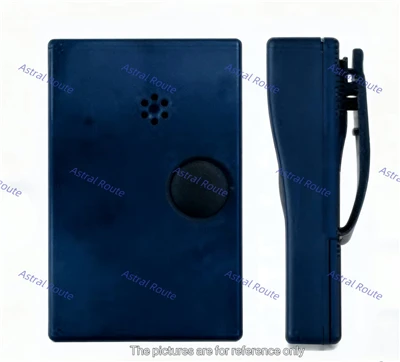
Radiation exposure is one of the most difficult occupational risks to manage in industrial environments. Unlike chemical leaks, mechanical failures, or visible workplace hazards, ionizing radiation cannot be detected by human senses. Workers may be exposed without realizing that radiation levels have increased, particularly during industrial radiography, nuclear maintenance, and radioactive material handling.
For NDT contractors and facility operators, this creates a serious challenge. A worker may complete an entire inspection shift before discovering that their accumulated radiation dose is higher than expected. Traditional passive badges can document exposure, but they cannot provide immediate warnings when conditions change.
This is why Electronic Personal Dosimeters (EPDs) are becoming increasingly important in modern radiation protection programs. By providing real-time dose information and alarm functions, these devices help radiation workers recognize potential hazards earlier and make safer decisions in the field.
1. Why Traditional Passive Dosimeters Are Not Enough
Film badges and other passive dosimeters have been widely used for occupational radiation monitoring. They remain valuable tools for measuring accumulated exposure over a monitoring period.
However, they have an important limitation: results are generally available only after the badges have been collected and processed.
For workers involved in high-risk activities, delayed information can create several problems:
Workers cannot see their current accumulated dose.
Unexpected increases in radiation exposure may go unnoticed.
Supervisors have limited visibility into exposure during ongoing operations.
Corrective action may be delayed until monitoring results become available.
Consider a pipeline radiography team conducting multiple weld inspections during a refinery shutdown. If working conditions change and radiation levels increase, a passive badge cannot immediately alert the operator.
An electronic personal dosimeter addresses this limitation by providing continuous exposure information during the working shift.
2. Real-Time Dose Monitoring Improves Worker Awareness
One of the most important advantages of electronic personal dosimeters is their ability to display radiation exposure in real time.
Depending on the device configuration, workers can monitor:
Accumulated radiation dose
Instantaneous dose rate
Changes in radiation conditions
Exposure levels against preset alarm thresholds
This information gives operators a clearer understanding of their exposure throughout the day.
For example, during offshore pipeline inspection, an RT operator may need to move between different work locations. Radiation conditions can vary depending on source activity, distance, shielding, and inspection geometry.
A real-time dosimeter helps the operator identify changing exposure conditions rather than relying entirely on previous measurements or estimated working conditions.
For radiation safety managers, this also provides a better basis for managing individual and team exposure.
3. Dose Alarms Help Prevent Unnecessary Exposure
Real-time monitoring becomes even more valuable when combined with alarm functions.
Modern electronic personal dosimeters can provide audible, visual, or vibration alerts when preset dose or dose-rate thresholds are exceeded, depending on the model.
These alarms help workers recognize potentially unsafe conditions immediately.
Typical situations include:
Unexpectedly approaching a radiation source
Entering an area with elevated radiation levels
Changes in radiation conditions during inspection
Abnormal exposure during maintenance activities
Once an alarm is activated, workers should follow established radiation protection procedures, move to a safer location when appropriate, and report the situation to the radiation safety officer.
The alarm does not replace safe work procedures or area monitoring. It provides an additional warning layer that can support faster responses.
4. Better Radiation Protection During Refinery Shutdowns
Refinery shutdowns and turnaround projects are particularly challenging for radiation safety management.
Hundreds of contractors may work simultaneously across different processing units. Industrial radiography teams often operate under compressed schedules, with inspections taking place during both day and night shifts.
In these environments, radiation exposure management becomes more complicated because:
Multiple RT teams may work at different locations.
Maintenance activities frequently overlap.
Workers move between inspection areas.
Shift handovers can create communication gaps.
Tight deadlines may increase operational pressure.
Electronic personal dosimeters help address these challenges by allowing workers to check their exposure during operations.
For contractors managing large inspection teams, electronic dose records can also support more organized exposure reviews and workforce management.
5. Why Neutron Detection Matters in Specialized Applications
Not all radiation environments involve gamma radiation alone.
In certain nuclear facilities, research laboratories, and accelerator-related applications, workers may encounter mixed radiation fields containing both neutron and gamma radiation.
Neutrons require specialized detection and dosimetry technologies. A standard gamma-only personal dosimeter cannot provide adequate neutron dose assessment.
This is an important consideration when selecting equipment for nuclear applications.
Depending on the radiation environment, organizations may require instruments capable of monitoring both neutron and gamma radiation.
Astral Route's radiation dosimeter range includes solutions designed for neutron and gamma monitoring, helping customers address applications where conventional gamma-only monitoring may be insufficient.
Before purchasing, buyers should confirm the instrument's neutron energy response, measurement range, calibration suitability, and applicable radiation protection requirements.
6. Improving Radiation Safety During Night Shifts
Night-shift RT operations introduce additional occupational safety challenges.
Reduced visibility, worker fatigue, limited supervision, and communication difficulties can all affect radiation safety performance.
During overnight pipeline inspection or refinery maintenance, operators may have fewer opportunities for direct supervision.
Electronic personal dosimeters with real-time displays and alarm functions provide an additional source of safety information.
Workers can monitor their exposure without waiting for a supervisor to request a dose check.
This is particularly useful when teams are working in remote locations, offshore facilities, or large industrial complexes.
7. Digital Dose Records Simplify Safety Management
Radiation protection is not only about protecting individual workers. Employers must also maintain reliable occupational dose records.
Manual recordkeeping can become difficult when contractors manage multiple teams across different projects.
Electronic dosimeters with automatic data storage and compatible data-readout functions can help improve record management.
Depending on the model, useful capabilities may include:
Automatic measurement data storage
Individual exposure history
Dose and dose-rate records
Alarm threshold configuration
Data transfer for further analysis
These capabilities can help radiation safety officers review exposure patterns, identify unusual readings, and prepare documentation for internal safety management and regulatory inspections.
Buyers should check whether the device supports standalone or networked operation and whether its data format is compatible with their existing management procedures.
8. What Should Buyers Consider When Selecting an Electronic Personal Dosimeter?
Choosing an electronic personal dosimeter requires more than comparing prices.
The right instrument should match the actual radiation environment and operational requirements.
Important purchasing considerations include:
Radiation type: Determine whether the application involves X-rays, gamma rays, beta radiation, neutrons, or mixed radiation fields.
Measurement range: Check both cumulative dose and dose-rate ranges against expected workplace conditions.
Alarm functions: Confirm whether dose and dose-rate thresholds can be configured independently.
Measurement accuracy: Review detector performance specifications and calibration requirements.
Battery life: For extended shifts and remote operations, reliable battery performance is essential.
Data management: Consider automatic storage, data readout, and optional wireless connectivity.
Environmental protection: Check ingress protection, operating temperature, humidity resistance, and mechanical durability.
Calibration and certification: Verify that the instrument can meet the applicable regulatory and workplace requirements in the destination market.
A lower purchase price does not necessarily mean lower ownership costs. Measurement reliability, calibration support, service availability, and equipment lifespan should all be considered.
9. Astral Route Radiation Monitoring Solutions
For organizations upgrading their radiation protection equipment, Astral Route offers a range of radiation detection and monitoring solutions for industrial and nuclear applications.
The product range includes electronic personal dosimeters, wearable radiation dosimeters, neutron dosimeters, portable radiation monitoring equipment, surface contamination monitors, and portable tritium monitors.
Depending on the selected configuration, electronic dosimetry solutions can support real-time dose monitoring, dual-level dose and dose-rate alarms, automatic data storage, and neutron and gamma radiation measurement.
These solutions are relevant to:
Industrial radiography contractors
Oil and gas inspection companies
Nuclear power facilities
Research laboratories
Medical radiation facilities
Radioactive material handling operations
Astral Route can help buyers evaluate suitable configurations based on radiation type, measurement requirements, operating environment, and project application.
Explore the full range: https://www.astralroutetech.com/radiation-dosimeter/
FAQ
1. What is the main advantage of an electronic personal dosimeter?
Its main advantage is real-time radiation exposure monitoring. Workers can check their accumulated dose and dose rate during operations and receive alerts when configured thresholds are exceeded.
2. What is the difference between an electronic dosimeter and a passive badge?
An electronic dosimeter provides immediate dose information and may include alarm functions. A passive badge generally measures accumulated exposure over a defined monitoring period and requires subsequent processing or reading.
3. Are electronic personal dosimeters suitable for industrial radiography?
Yes. They are widely used as supplementary operational monitoring devices in industrial radiography, including pipeline inspection, refinery maintenance, and offshore NDT activities. Their suitability depends on the radiation field and applicable regulations.
4. Can one dosimeter detect both neutron and gamma radiation?
Some specialized instruments are designed to measure both neutron and gamma radiation. However, not all electronic personal dosimeters have this capability. Buyers should verify the detector configuration and measurement specifications before purchasing.
5. How often should an electronic personal dosimeter be calibrated?
Calibration intervals depend on applicable regulations, manufacturer recommendations, and the organization's radiation protection program. Instruments should also undergo appropriate functional checks before use.
6. Can electronic dosimeters replace passive dosimetry badges?
Not necessarily. Many radiation protection programs use electronic dosimeters for real-time operational monitoring alongside passive dosimeters for official occupational dose assessment. The required arrangement depends on local regulations and the organization's approved dosimetry program.
Final Thoughts
Radiation worker safety requires more than recording exposure after a job has been completed. In industrial environments where radiation conditions can change quickly, workers need timely information to recognize potential hazards and respond appropriately.
Electronic personal dosimeters provide this additional level of awareness through real-time dose displays, configurable alarms, and digital exposure records.
For NDT contractors, refinery operators, nuclear facilities, and organizations handling radioactive materials, selecting reliable personal dosimetry equipment is an important investment in workforce protection and radiation safety management.
If your organization is planning to upgrade its radiation monitoring equipment, Astral Route can help identify suitable electronic personal dosimeter and radiation detection solutions based on your application and technical requirements.