Buying radiation detection equipment is not simply a matter of comparing prices and technical specifications. For NDT contractors, nuclear facilities, oil and gas operators, and radiation safety departments, the wrong purchasing decision can lead to unreliable measurements, unnecessary downtime, compliance problems, and additional replacement costs.
The difficulty is that radiation monitoring instruments often look similar in a product catalog, yet they may serve very different purposes. A personal dosimeter cannot replace a contamination monitor, and a general-purpose gamma survey meter may not be suitable for detecting tritium or measuring neutron radiation.
For procurement managers and radiation safety officers, understanding these differences before placing an order is essential.
Here are six common purchasing mistakes worth avoiding.
1. Choosing the Wrong Detector for the Application
The most costly mistake is buying an instrument before clearly defining what needs to be measured.
Different radiation types require different detection technologies. Gamma rays, neutrons, and contamination from specific radionuclides present different measurement challenges.
For example, an NDT contractor performing industrial radiography may need electronic personal dosimeters to monitor individual exposure and portable survey meters to measure radiation levels around controlled areas. A nuclear research laboratory may also require neutron monitoring or surface contamination detection.
Facilities handling tritium need particular care. Tritium emits low-energy beta radiation, so a conventional gamma survey meter generally cannot provide the appropriate measurement of tritium contamination.
Before purchasing, buyers should identify the radiation type, measurement objective, expected energy range, required sensitivity, and operating environment.
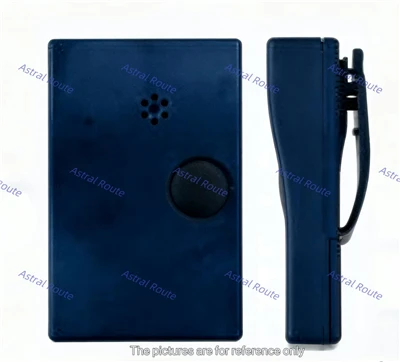
Astral Route offers several categories of radiation detection equipment, including electronic personal dosimeters, personal neutron dosimeters, surface contamination monitors, and portable tritium monitors. Selecting the correct category is the first step toward a suitable solution.
2. Buying Based on Price Alone
Budget pressure is understandable, particularly for contractors managing multiple projects or replacing several instruments at once.
However, the lowest purchase price does not necessarily translate into the lowest operating cost.
An inexpensive instrument may lack the required measurement range, suitable alarm functions, calibration support, or durability for demanding field conditions. If it fails during a refinery shutdown or cannot meet a client's equipment acceptance requirements, the resulting delays may cost more than the original savings.
Buyers should evaluate the total cost of ownership, including:
Initial purchase price
Calibration and verification costs
Maintenance and repair
Replacement batteries and accessories
Expected service life
Technical support and spare parts
A slightly more expensive instrument may be the better investment if it meets the application requirements and can be maintained reliably over time.
3. Assuming One Instrument Can Do Everything
Procurement teams sometimes prefer a universal instrument to simplify purchasing, training, and inventory management.
The problem is that radiation detection equipment is designed around specific measurement tasks.
An electronic personal dosimeter tracks an individual's external radiation exposure. A portable survey meter measures radiation fields. A surface contamination monitor helps identify radioactive material deposited on surfaces. A neutron dosimeter is intended for personal neutron exposure assessment, while a suitable tritium monitor addresses specific tritium monitoring requirements.
These functions are not interchangeable.
Consider an industrial inspection contractor working across pipelines, petrochemical facilities, and specialized radioactive material environments. Purchasing a general-purpose gamma meter for every application could leave important monitoring needs unmet.
The better approach is to map each instrument to a defined task and identify where different devices must work together.
4. Ignoring Calibration and Documentation Requirements
A radiation detector that powers on is not necessarily a detector that can be relied upon for safety-critical measurements.
Calibration, performance verification, and pre-use checks help establish whether equipment is suitable for its intended purpose. Requirements vary by instrument type, application, and jurisdiction, so buyers should confirm the applicable requirements before ordering.
Common procurement oversights include failing to confirm:
Calibration or verification documentation
Traceability and applicable measurement tolerances
Recommended calibration intervals
Local service availability
Expected calibration turnaround time
Procedures for checking instrument response before use
These issues become especially important when equipment must be approved before mobilization to an offshore platform, refinery, or nuclear facility.
Ask the supplier to clarify which documents are supplied with the instrument and what support is available throughout its service life. Confirm that the proposed instrument can be calibrated or verified through an acceptable service provider.
5. Overlooking Real-Time Alarms and Data Management
Traditional passive dosimeters remain useful for cumulative occupational dose assessment, but they do not provide immediate electronic feedback during a job.
For teams conducting gamma radiography, an electronic personal dosimeter with appropriate dose and dose-rate alarms can provide real-time awareness of changing conditions. Depending on the model, electronic devices may also support data retrieval and digital dose records.
This can be particularly valuable during refinery shutdowns, night-shift inspections, and pipeline projects where work schedules are tight and multiple teams operate in nearby areas.
Before buying, ask whether the instrument provides the required alarm modes, adjustable thresholds, readable displays, data export, and recordkeeping functions.
Do not assume every electronic dosimeter includes the same capabilities. Confirm the specifications against the actual operating procedures and regulatory requirements.
6. Neglecting Environmental Conditions and After-Sales Support
Radiation monitoring equipment used in a laboratory may face very different conditions from instruments deployed offshore or transported between industrial sites.
High humidity, dust, vibration, temperature extremes, and frequent handling can affect equipment reliability. Buyers should check the specified operating temperature, ingress protection, mechanical durability, and battery performance rather than relying on appearance or general descriptions.
After-sales support also deserves attention.
A procurement decision should consider what happens when an instrument needs repair, calibration, or replacement. Delays can interrupt planned inspections and complicate safety management.
For international buyers, especially those sourcing equipment for projects across Southeast Asia, the Middle East, or other regions, it is worth confirming delivery arrangements, documentation, technical support, and realistic service lead times before committing to an order.
A Practical Checklist Before Placing an Order
Before selecting radiation detection equipment, procurement managers and radiation safety officers should be able to answer five questions:
What must be measured? Identify the radiation type and whether the task involves personal dose, dose rate, or surface contamination.
Where will the instrument be used? Define the environment, operating conditions, and portability requirements.
What performance is required? Confirm the measurement range, sensitivity, alarms, and any application-specific standards.
How will compliance be demonstrated? Check calibration or verification requirements, documentation, and recordkeeping.
What support is available after delivery? Clarify maintenance, spare parts, technical assistance, and expected service arrangements.
A clear specification makes it easier to compare suppliers on a like-for-like basis and reduces the risk of purchasing an instrument that looks suitable on paper but fails to meet operational needs.
How Astral Route Supports Radiation Monitoring Requirements
Astral Route supplies radiation detection equipment for industrial and specialized monitoring applications. Its product range includes electronic personal radiation dosimeters, personal neutron dosimeters, surface contamination monitors, and portable tritium monitors.
These categories address different monitoring needs, from personal exposure awareness during industrial radiography to contamination checks and specialized tritium monitoring.
For buyers evaluating equipment, the most productive starting point is to define the intended application and required performance. Astral Route can then be approached to discuss which available product category and configuration may fit the requirement.
The aim is not to purchase the largest number of instruments or the most expensive model. It is to select equipment that addresses the actual risk, supports the applicable safety program, and remains practical to maintain.
Check customized solutions at https://www.astralroutetech.com/radiation-dosimeter/
FAQ
What should I check first when buying radiation detection equipment?
Start by identifying the radiation type and measurement objective. Determine whether you need personal dosimetry, radiation dose-rate measurement, neutron monitoring, or surface contamination detection.
Can one radiation detector measure gamma rays, neutrons, and tritium?
Not necessarily. These radiations have different detection requirements. Confirm that the instrument is specifically designed and validated for the radiation type and measurement task involved.
Are electronic personal dosimeters better than passive badges?
They serve different purposes. Electronic dosimeters can provide real-time dose information and alarms, while passive dosimeters are commonly used for cumulative dose assessment. Depending on the radiation protection program, both may be needed.
Why should calibration support influence purchasing decisions?
Equipment must remain suitable for its intended use. Confirming calibration or verification arrangements in advance helps prevent avoidable service delays and documentation problems.
What radiation monitoring equipment might an NDT contractor need?
Depending on the work, a contractor may need electronic personal dosimeters, portable radiation survey meters, and additional monitoring equipment appropriate to the radiation hazards and site procedures. Specialized applications may require neutron or contamination monitoring instruments.
Make the Right Purchase Before the Next Project
The wrong radiation detection equipment can create problems that extend far beyond procurement: unreliable measurements, delayed mobilization, compliance concerns, and avoidable operating costs.
By matching the detector to the application, evaluating total ownership costs, checking calibration arrangements, and confirming environmental suitability, buyers can make more informed decisions.
If your organization is sourcing radiation monitoring equipment for industrial radiography, nuclear applications, or radioactive material handling, explore Astral Route's radiation detection equipment range and discuss your measurement requirements before finalizing the specification.