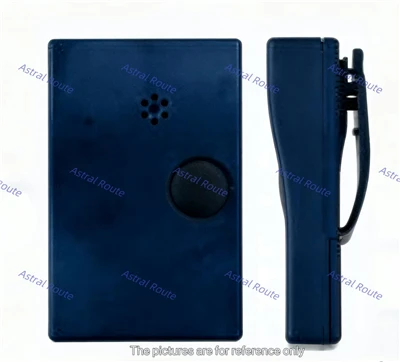
Radiation protection is often associated with measuring dose rates from gamma or X-ray sources. While external radiation monitoring is essential, it represents only part of an effective radiation safety program. In many nuclear facilities, radioactive waste sites, isotope production plants, and decommissioning projects, radioactive contamination on surfaces presents an equally important challenge.
Unlike external radiation, surface contamination is not always obvious. Workers may unknowingly carry radioactive particles on their gloves, boots, clothing, or tools, allowing contamination to spread beyond controlled areas. Once radioactive material leaves a designated hot zone, cleanup becomes more complicated, regulatory concerns increase, and project schedules may be affected.
For this reason, surface contamination detection is a routine safety requirement in many radiation-controlled workplaces. Reliable contamination monitoring helps protect personnel, prevent the spread of radioactive materials, and maintain compliance with radiation protection regulations.
What Is a Hot Zone?
A hot zone is a designated area where radioactive materials, activated equipment, or contaminated components are present.
Examples include:
Nuclear power plant maintenance areas
Radioactive waste processing facilities
Research reactors
Fuel cycle facilities
Medical isotope production plants
Decommissioning projects
Hot cells and radiochemical laboratories
Access to these areas is strictly controlled because workers may be exposed not only to external radiation but also to radioactive contamination.
Unlike gamma radiation, contamination can remain on surfaces long after work has been completed, making routine monitoring essential before personnel or equipment leave the controlled area.
Why Surface Contamination Is Different from Radiation Dose?
Many people assume that if radiation dose rates are low, the area is safe.
This is not always true.
Radiation dose rate and radioactive contamination measure two different hazards.
A survey meter may indicate that external radiation levels are within acceptable limits, while radioactive particles remain on work surfaces, protective clothing, or equipment.
If these particles are transferred outside the controlled area, they can contaminate:
Personnel
Vehicles
Tools
Packaging materials
Maintenance equipment
Adjacent work areas
Preventing contamination spread is one of the primary objectives of radiation protection programs.
Common Sources of Surface Contamination
Surface contamination may originate from many routine activities.
Examples include:
Maintenance on activated piping
Valve replacement
Pump servicing
Radioactive source handling
Waste packaging
Laboratory sample preparation
Reactor component maintenance
Decommissioning work
Even careful work practices cannot completely eliminate the possibility of contamination.
Regular monitoring helps identify contamination before it spreads.
Why Contamination Monitoring Is Essential During Maintenance?
Maintenance work often requires direct contact with equipment that has been exposed to radioactive materials.
Workers may handle:
Pumps
Filters
Heat exchangers
Pipes
Storage containers
Shielding components
Although protective clothing helps reduce exposure, contamination may still accumulate on gloves, footwear, and tools.
Routine contamination surveys before leaving the work area help verify that radioactive material has not been transferred.
This simple procedure can prevent much larger contamination events later.
Portable Surface Contamination Monitors
Portable contamination monitors are specifically designed to detect radioactive material deposited on surfaces.
Unlike general radiation survey meters, these instruments are optimized for detecting alpha and beta contamination, while many models can also respond to gamma radiation.
They are commonly used to inspect:
Floors
Walls
Protective clothing
Gloves
Equipment surfaces
Hand tools
Containers
Vehicle interiors
Portable instruments allow technicians to perform rapid contamination checks before personnel or equipment move between work zones.
Exit Monitoring Reduces Contamination Spread
One of the most important applications of contamination monitoring is exit control.
Before workers leave a controlled area, radiation protection personnel typically inspect:
Hands
Shoes
Protective clothing
Personal equipment
Similarly, tools and equipment are checked before they are removed from the hot zone.
This process helps ensure that radioactive contamination remains inside designated controlled areas.
Without routine exit monitoring, contamination can spread into offices, workshops, transport vehicles, or public access areas.
Challenges During Decommissioning Projects
Nuclear decommissioning projects present some of the most demanding contamination control environments.
Workers may encounter:
Aging infrastructure
Damaged coatings
Corroded piping
Activated concrete
Historical contamination
Removing equipment can disturb radioactive deposits that have remained undisturbed for years.
Frequent contamination monitoring is therefore necessary throughout dismantling operations.
Portable contamination monitors provide immediate feedback, allowing work procedures to be adjusted whenever contamination levels increase.
Surface Contamination During Radioactive Waste Handling
Waste management operations require continuous contamination control.
Containers used for radioactive waste must be inspected before:
Temporary storage
Transportation
Long-term disposal
Even if the radioactive contents are securely packaged, contamination on the exterior of the container can create unnecessary hazards during transport.
Routine surface monitoring helps verify that packaging remains clean and compliant with transportation requirements.
Supporting Worker Safety
Surface contamination monitoring is not only about protecting facilities-it also protects people.
Radioactive contamination can enter the body through:
Inhalation
Ingestion
Open wounds
Unlike external radiation exposure, internal contamination may continue delivering radiation until the radioactive material is removed or decays.
Routine contamination surveys help reduce the likelihood of internal exposure by identifying contamination before workers remove protective equipment or enter clean areas.
Importance of Equipment Calibration
Like all radiation monitoring instruments, contamination monitors require regular calibration and functional testing.
Proper calibration helps ensure:
Reliable detection sensitivity
Accurate measurement results
Regulatory compliance
Consistent instrument performance
Routine source checks before use also help verify that the detector is functioning correctly.
An improperly calibrated contamination monitor may fail to detect contamination that requires corrective action.
Modern Contamination Monitoring Technologies
Recent advances in radiation detection technology have improved contamination monitoring capabilities.
Modern instruments may include:
Large-area detectors for faster scanning
Digital displays with clear measurement data
Audible alarm functions
Data logging capabilities
Lightweight portable designs
Improved battery life for extended field use
These features allow radiation protection personnel to complete surveys more efficiently while maintaining high inspection quality.
Supporting Nuclear Safety with Reliable Monitoring Solutions
Companies such as Astral Route provide radiation monitoring equipment for contamination control in nuclear and industrial environments.
Their product portfolio includes:
Surface contamination monitors
Electronic personal dosimeters
Portable radiation survey meters
Neutron dosimeters
Tritium monitoring systems
These solutions help organizations strengthen contamination control programs, improve worker protection, and support compliance with modern radiation safety requirements.
FAQ
What is surface contamination?
Surface contamination refers to radioactive material deposited on equipment, floors, clothing, tools, or other surfaces.
Why can't a standard survey meter always detect contamination?
General survey meters are primarily designed to measure radiation fields. Surface contamination monitors are optimized for detecting radioactive particles on surfaces, particularly alpha and beta contamination.
When should contamination surveys be performed?
Typically before personnel or equipment leave controlled areas, after maintenance activities, during waste handling, and whenever contamination is suspected.
Which industries require surface contamination monitoring?
Nuclear power plants, radioactive waste facilities, research laboratories, isotope production facilities, decommissioning projects, and some industrial radiography operations all use contamination monitoring.
Why is contamination control important?
Preventing the spread of radioactive materials protects workers, reduces cleanup costs, supports regulatory compliance, and minimizes operational disruptions.
Final Thoughts
Radiation protection extends beyond measuring dose rates. In many nuclear and radioactive material environments, controlling surface contamination is equally important for maintaining safe operations.
Routine contamination monitoring helps detect radioactive particles before they spread, protecting personnel, equipment, and surrounding work areas. Combined with proper work procedures, calibrated instruments, and trained personnel, surface contamination detection forms a critical part of any comprehensive radiation safety program.
As nuclear facilities continue to modernize and decommissioning activities expand worldwide, effective contamination monitoring will remain an essential tool for ensuring safe and compliant operations in hot zones.