The Middle East oil and gas industry operates under constant pressure to maintain production, complete maintenance on schedule, and meet demanding HSE requirements. From refinery turnarounds in Saudi Arabia to offshore maintenance in the UAE and pipeline construction across
Qatar and Oman, industrial radiographic testing (RT) remains essential for verifying weld quality and equipment integrity.
Yet radiation safety is often tested when inspection schedules become compressed, several contractors work in the same area, and equipment must operate in harsh field conditions.
For NDT contractors, project owners, and HSE managers, the consequences extend beyond worker exposure. A radiation safety incident can trigger work stoppages, investigations, additional compliance reviews, and costly schedule disruptions. The challenge is not simply to detect radiation, but to maintain reliable control throughout every stage of an inspection campaign.
1. Refinery Shutdowns Leave Little Room for Error
Refinery shutdowns and turnarounds create some of the most demanding conditions for industrial radiography.
Multiple teams may be repairing pipelines, inspecting pressure vessels, replacing valves, and completing weld examinations within the same unit. RT crews must establish controlled areas while coordinating with mechanical contractors, scaffold teams, and maintenance supervisors.
Common risks include:
Unauthorized personnel entering radiation-controlled areas.
Changes to work permits or access routes during a shift.
Poor coordination between RT teams and other contractors.
Fatigue during extended night-shift operations.
Delays caused by unreliable radiation monitoring equipment.
When an inspection is interrupted by a safety incident, downstream maintenance activities may also be affected.
For buyers, reliable radiation monitoring equipment is part of operational risk management, not simply an item on the HSE procurement list.
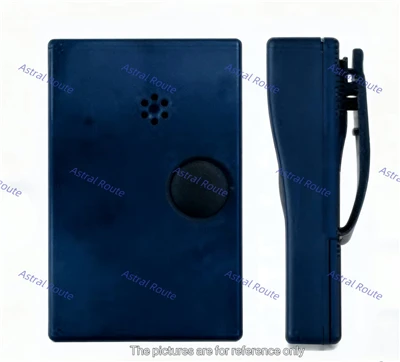
Electronic personal dosimeters provide real-time exposure information and alarm functions, while portable radiation survey meters help qualified personnel verify dose rates and assess controlled-area boundaries.
2. Extreme Heat and Harsh Field Conditions Affect Safety
High temperatures are a practical concern for oil and gas projects across the Gulf region. Outdoor pipeline work, desert construction sites, and exposed industrial facilities can place considerable demands on inspection personnel and electronic equipment.
Heat stress and fatigue can reduce concentration during tasks that require strict procedural discipline. Equipment may also be exposed to dust, humidity, vibration, and repeated transportation between sites.
For procurement teams, equipment selection should therefore consider more than measurement range.
Before purchasing radiation detection instruments, verify:
Operating temperature and environmental protection ratings.
Battery endurance for the expected shift duration.
Alarm visibility and audibility in noisy workplaces.
Calibration requirements and service availability.
Ease of operation when personnel wear protective equipment.
Do not assume that every portable instrument is suitable for extreme temperatures or offshore deployment. Confirm the manufacturer's specifications against the actual working environment.
3. Offshore Inspections Make Radiation Control More Difficult
Offshore platforms introduce additional constraints. Narrow access routes, compact processing modules, simultaneous maintenance activities, and limited emergency response options make it harder to isolate radiography operations.
During offshore shutdowns, inspection windows may be restricted by production requirements, weather, and personnel logistics.
Radiation protection should include appropriate exclusion zones, clear communication procedures, reliable survey instruments, and personal dosimetry. Monitoring equipment should also be checked before mobilization, when replacement or repair may be difficult once the team reaches the platform.
For offshore NDT contractors, equipment reliability can affect both worker protection and the ability to complete planned inspection work within the available maintenance window.
4. NORM Creates a Different Radiation Safety Challenge
Industrial radiography is not the only radiation-related concern in oil and gas operations.
Naturally occurring radioactive material (NORM) can accumulate in production equipment, scale, sludge, and certain process residues. Maintenance, tank cleaning, pipeline servicing, and waste handling may disturb material that requires radiological assessment.
This creates an important distinction: external radiation monitoring and radioactive contamination monitoring serve different purposes.
A personal dosimeter helps assess a worker's external radiation dose. A suitable survey meter helps measure radiation fields, while a surface contamination monitor can help identify radioactive material deposited on surfaces.
Where tritium or neutron radiation is a credible hazard, specialized instruments may also be needed. The correct equipment depends on the radionuclides present and the site's radiation protection assessment.
Selecting the wrong instrument for the hazard can leave important risks undetected.
5. Compliance Requires Reliable Measurements and Records
Oil and gas operators commonly require contractors to demonstrate that their radiation protection arrangements are appropriate for the work being performed. Specific obligations depend on the country, applicable regulations, operator requirements, and contract terms.
Outdated instruments can complicate compliance when calibration records are missing, alarms are unreliable, or equipment is no longer adequately supported.
Before mobilization, NDT contractors should verify that:
Personal dosimeters are suitable for the expected radiation field.
Survey meters have valid calibration and have passed functional checks.
Alarm thresholds and operating procedures are appropriately configured.
Equipment identification and calibration records are traceable.
Required dose records and incident procedures are in place.
An instrument powering on does not prove that its measurements are accurate. Calibration and functional verification remain essential.
6. Why Real-Time Dosimetry Matters to NDT Buyers
Passive dosimeters, including film badges and thermoluminescent dosimeters, remain useful for recording accumulated occupational dose. However, they do not normally provide immediate dose-rate alarms during an inspection.
Electronic personal dosimeters can provide real-time dose and dose-rate information, depending on the model, together with audible, visual, or vibration alerts.
For NDT contractors working on refinery turnarounds, offshore maintenance, and remote pipeline projects, these features can help personnel recognize changing radiation conditions and respond according to established procedures.
They do not replace radiation surveys, source-control procedures, or trained radiation protection personnel. Instead, they add an important layer of immediate feedback.
7. Choosing Radiation Detection Equipment for Middle East Projects
A practical procurement strategy starts with the hazards and operating conditions rather than the product catalogue.
Astral Route offers a range of radiation detection equipment for industrial and nuclear applications, including electronic personal radiation dosimeters, personal neutron dosimeters, surface contamination monitors, and portable tritium monitors.
Depending on the project assessment, buyers may also need portable survey meters or area radiation monitoring equipment.
When comparing suppliers, consider:
Measurement capabilities and detector suitability.
Alarm functions and display readability.
Environmental operating specifications.
Calibration and maintenance arrangements.
Availability of technical documentation.
Delivery schedules and after-sales support.
For companies serving multiple sites across the Middle East, standardizing suitable monitoring equipment can also simplify training, maintenance planning, and inventory management.
Explore Astral Route's radiation detection equipment range: https://www.astralroutetech.com/radiation-dosimeter/
FAQ
What are the main radiation safety risks in Middle East oil and gas projects?
Common challenges include unauthorized access to RT exclusion zones, worker fatigue, harsh environmental conditions, unreliable monitoring equipment, and potential NORM contamination during maintenance.
Which radiation monitoring equipment do NDT contractors typically need?
Depending on the work, contractors may require electronic personal dosimeters, portable radiation survey meters, and area monitors. Specialized neutron or contamination monitors may be necessary when the relevant hazards are present.
Are electronic personal dosimeters better than passive badges?
They serve different purposes. Electronic dosimeters provide immediate exposure feedback and alarms, while passive dosimeters are widely used for cumulative dose assessment. Some radiation protection programs use both.
Why is NORM monitoring important in oil and gas maintenance?
NORM can accumulate in production equipment and residues. Appropriate monitoring helps identify radiological hazards during cleaning, inspection, maintenance, and waste handling.
What should buyers check before purchasing radiation detection equipment?
Confirm detector suitability, measurement range, alarm functions, calibration requirements, environmental ratings, documentation, and after-sales support. Ensure the equipment matches the project's radiation protection assessment and applicable regulations.
Final Thoughts
Radiation safety in Middle East oil and gas projects is closely connected to inspection quality, contractor performance, and operational continuity. Tight turnaround schedules, offshore constraints, harsh environments, and NORM-related hazards all require a well-planned monitoring strategy.
For procurement managers and HSE teams, the priority should be to select equipment that matches the actual hazards, performs reliably in the field, and supports the site's compliance procedures.
Astral Route's radiation detection range provides a starting point for organizations evaluating monitoring equipment for industrial radiography, worker dosimetry, contamination control, and specialized radiation applications.
If you are preparing for a refinery shutdown, offshore inspection campaign, or pipeline project, reviewing your monitoring requirements before mobilization can help your team identify equipment gaps and make more informed purchasing decisions.