Waste processing facilities that handle radioactive materials face a unique challenge: radiation risks are often unpredictable and constantly changing.
Unlike fixed nuclear installations where radiation sources and work areas are usually well-defined, waste processing environments can involve a wide variety of materials, unknown contamination levels, and changing operational conditions.
From nuclear decommissioning projects and radioactive waste treatment plants to medical isotope disposal facilities and industrial radioactive waste management sites, operators need reliable monitoring systems that can be deployed quickly wherever risks appear.
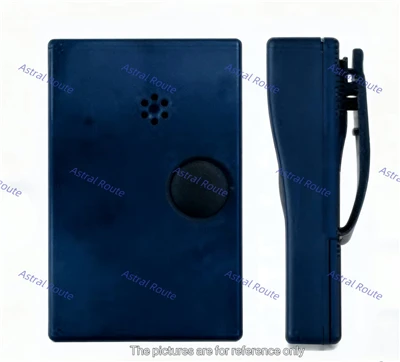
This is why portable radiation detection equipment has become an increasingly important part of modern radiation protection programs.
Why Radiation Monitoring Is Critical in Waste Processing
Radioactive waste management involves many activities where radiation conditions can change rapidly.
Typical operations include:
Waste sorting and classification
Material handling
Decontamination activities
Waste packaging
Storage preparation
Equipment maintenance
Transportation preparation
During these processes, workers may encounter different types of radiation hazards, including:
Gamma radiation from radioactive sources
Beta contamination on surfaces
Neutron radiation from specific nuclear materials
Tritium contamination in specialized applications
Without accurate monitoring, workers may unknowingly enter areas with elevated radiation levels or handle contaminated materials without appropriate protection.
Radiation detection is therefore not only a regulatory requirement-it is a fundamental operational safety tool.
The Challenge of Changing Radiation Conditions
One of the biggest difficulties in waste processing facilities is that radiation conditions are rarely constant.
A container that appears safe externally may contain concentrated radioactive material inside.
A previously clean working area may become contaminated after:
Container opening
Waste transfer
Equipment maintenance
Spill events
Decontamination activities
Fixed radiation monitors provide valuable continuous surveillance, but they cannot cover every temporary work location.
This is where portable radiation detection equipment provides additional flexibility.
Why Portable Radiation Detection Equipment Matters
Portable radiation detectors allow radiation protection teams to bring monitoring capability directly to the work area.
Unlike fixed systems installed at specific locations, portable instruments can be deployed wherever conditions require immediate assessment.
Common applications include:
Incoming waste inspection
Storage area surveys
Equipment checks
Maintenance activities
Emergency response
Decommissioning projects
This mobility allows facilities to identify radiation hazards faster and make better operational decisions.
Supporting Worker Safety During Waste Handling
Waste handling activities often involve direct interaction with potentially contaminated materials.
Workers may perform tasks such as:
Moving waste containers
Inspecting packages
Operating sorting equipment
Performing maintenance on processing systems
Portable radiation survey meters help verify radiation levels before and during these activities.
They allow personnel to:
Confirm safe working conditions
Identify unexpected radiation sources
Establish controlled areas
Determine appropriate protective measures
Early detection reduces the possibility of unnecessary exposure.
Surface Contamination Monitoring in Waste Facilities
Radiation risk is not limited to external radiation.
Radioactive contamination can spread through:
Tools
Protective clothing
Equipment surfaces
Work platforms
Transportation containers
Surface contamination monitors play an important role in preventing radioactive materials from spreading beyond controlled areas.
They are commonly used for:
Personnel exit checks
Equipment release verification
Work area surveys
Waste package inspections
Effective contamination monitoring helps maintain workplace cleanliness and reduces the risk of secondary contamination.
The Importance of Gamma Radiation Detection
Gamma radiation is one of the most common radiation types encountered in radioactive waste management.
Gamma-emitting radionuclides can be present in:
Reactor waste
Nuclear maintenance materials
Radioactive sources
Industrial radioactive waste
Portable gamma radiation detectors provide rapid assessment of dose rates around materials and equipment.
They are especially valuable during:
Waste package handling
Storage inspections
Facility maintenance
Emergency assessments
Because gamma radiation can travel significant distances, accurate dose-rate measurements are essential for establishing safe working boundaries.
Neutron Detection in Specialized Waste Applications
Although neutron radiation is less common in many waste facilities, it requires special attention where it exists.
Neutron sources may be associated with:
Spent nuclear fuel activities
Certain research materials
Nuclear decommissioning projects
Specialized radioactive waste streams
Standard gamma detectors cannot accurately measure neutron exposure.
Facilities dealing with neutron-producing materials may require dedicated neutron monitoring solutions to properly assess worker exposure.
As nuclear technologies develop, neutron monitoring is expected to become increasingly important.
Tritium Monitoring Challenges
Tritium presents another unique challenge in radioactive waste management.
Because tritium emits low-energy beta radiation, it is difficult to detect using conventional radiation survey meters.
Tritium contamination may occur in:
Heavy-water reactor waste
Fusion research facilities
Laboratory environments
Specialized nuclear processes
Portable tritium monitors provide targeted detection capability for facilities where hydrogen isotopes may be present.
They help radiation protection teams identify contamination risks and implement appropriate control measures.
Emergency Response Applications
Portable radiation detection equipment is especially important during abnormal situations.
Potential events include:
Suspected radioactive material release
Damaged waste containers
Contamination incidents
Equipment failures
Transportation-related events
During emergencies, fixed monitoring systems may not provide enough information about specific locations.
Portable instruments allow response teams to quickly:
Survey affected areas
Identify radiation sources
Define safety boundaries
Support decision-making
Fast information is critical during emergency situations.
Challenges With Aging Radiation Detection Equipment
Many waste processing facilities continue using older radiation monitoring equipment.
However, aging systems may create several problems:
Calibration difficulties
Limited sensitivity
Slow response times
Battery reliability issues
Lack of digital data management
These limitations can reduce confidence in radiation measurements.
Modern portable radiation detection equipment addresses many of these challenges through:
Improved detector technology
Digital displays
Better alarm functions
Data recording capabilities
More reliable battery systems
Upgrading monitoring equipment can significantly improve operational efficiency and compliance.
Digital Radiation Monitoring and Data Management
Modern waste processing facilities are moving toward more connected radiation safety systems.
Digital monitoring solutions allow organizations to:
Record measurement data electronically
Maintain calibration records
Track exposure trends
Improve audit preparation
Strengthen regulatory reporting
For large facilities managing multiple waste streams, better data management helps improve both safety and operational control.
Choosing the Right Portable Radiation Detector
Selecting appropriate equipment depends on the specific radiation risks involved.
Facilities should consider:
Radiation Type
Does the application involve:
Gamma radiation?
Neutron radiation?
Surface contamination?
Tritium?
Different hazards require different detection technologies.
Operating Environment
Waste facilities may involve:
Dust
Moisture
Temperature variations
Heavy industrial activity
Equipment should be suitable for the working environment.
Data Requirements
Modern operations may require:
Digital records
Alarm history
Exposure tracking
Integration with safety management systems
The right monitoring solution should support both current and future operational needs.
Supporting Safer Waste Processing Operations
Companies such as Astral Route provide radiation monitoring solutions designed for nuclear and industrial applications.
These include:
Portable radiation survey meters
Electronic personal dosimeters
Neutron radiation monitoring equipment
Surface contamination monitors
Portable tritium monitoring solutions
These technologies help waste processing facilities improve radiation visibility, strengthen worker protection, and maintain compliance with radiation safety requirements.
See customized solutions at https://www.astralroutetech.com/radiation-dosimeter/
FAQ
Why are portable radiation detectors needed in waste processing facilities?
Because radiation conditions can change quickly, and portable instruments allow workers to assess hazards directly at different locations.
What types of radiation need to be monitored?
Depending on the facility, monitoring may include gamma radiation, neutron radiation, beta contamination, and tritium.
Are fixed radiation monitors enough?
Fixed systems provide continuous monitoring in specific locations, but portable detectors are needed for temporary work areas and changing conditions.
Why is contamination monitoring important?
It helps prevent radioactive materials from spreading through workers, equipment, and facility areas.
How often should portable radiation detectors be calibrated?
Calibration frequency depends on regulations, equipment type, and facility procedures. Regular calibration is essential to maintain measurement accuracy.
Final Thoughts
Radioactive waste processing requires a flexible and reliable approach to radiation protection.
Because materials, work locations, and radiation conditions can change continuously, portable radiation detection equipment has become an essential tool for modern facilities.
From routine waste handling to emergency response, portable monitoring systems provide the information needed to protect workers, control contamination, and maintain regulatory compliance.
As radioactive waste management becomes more complex, the ability to quickly measure and understand radiation conditions will remain a key factor in safe and efficient operations.