

Radiology departments are designed around one central objective: delivering accurate diagnostic imaging while keeping radiation exposure under control.
Yet for many hospitals, personal radiation monitoring is still treated as a routine compliance task rather than an active part of daily safety management.
That approach can create blind spots.
Radiologists, radiologic technologists, nuclear medicine personnel, interventional teams, and other staff may work around X-ray or other radiation-producing equipment throughout the day. Exposure levels can vary significantly depending on workload, procedure type, positioning, distance from the source, and how often staff need to remain close to the patient or equipment.
A dosimeter does more than generate a compliance record. Used properly, it gives a radiation safety team evidence of how occupational exposure is developing over time and where additional controls may be needed.
Why Radiology Teams Need Personal Dose Monitoring
Not every member of a radiology department receives the same radiation exposure.
A technologist performing routine imaging may have a very different exposure pattern from a professional involved in interventional procedures. Staff who spend more time near the patient during fluoroscopy-guided procedures may also have different exposure conditions from personnel working primarily behind shielding.
Personal monitoring helps establish an individual exposure record rather than relying solely on measurements of the room.
This distinction matters because workplace dose rates do not necessarily represent the dose received by a particular worker.
Personal dosimetry provides a direct way to track occupational exposure and identify trends over time.
The Problem With Relying Only on Periodic Dose Reports
Traditional passive dosimeters remain widely used because they provide cumulative dose records for occupational monitoring.
The limitation is timing.
If a passive badge is processed periodically, the worker may not know that an unusual exposure occurred until after the monitoring period has ended.
By then, the opportunity to immediately investigate the event has passed.
For routine operations, this may be manageable. For busy departments with frequent procedures, however, radiation safety teams may benefit from having more immediate information.
This is where electronic personal dosimeters can add another layer of protection.
Real-Time Monitoring Changes the Safety Conversation
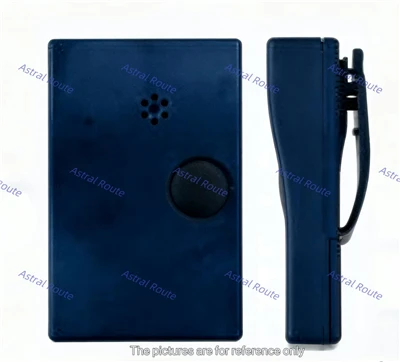
An electronic personal dosimeter can display dose and, depending on the model, dose rate while the worker is performing a procedure.
Alarm functions can provide an immediate warning when predefined thresholds are reached.
That information can prompt workers or supervisors to review:
Positioning
Time spent near the radiation source
Shielding practices
Procedure workflow
Unexpected exposure conditions
The objective is not to encourage staff to constantly watch a display. The value lies in having an immediate warning mechanism when exposure conditions become unusual.
Interventional Radiology Is a Special Case
Interventional radiology presents particularly demanding radiation protection challenges because staff may need to remain close to the patient during procedures.
The source is typically associated with the imaging system, while scattered radiation from the patient can become an important occupational exposure pathway.
Work practices therefore matter greatly.
Small differences in positioning and time can influence cumulative exposure over repeated procedures.
For these teams, personal monitoring can help identify whether existing protection measures are working as intended.
It can also support discussions between radiation safety personnel and clinical teams when exposure patterns need to be reviewed.
Managing Exposure Across Large Hospital Teams
Large hospitals may have dozens or hundreds of employees who require occupational radiation monitoring. Managing this population creates an administrative challenge.
Radiation safety personnel may need to track:
Worker identification
Dosimeter assignment
Dose history
Alarm events
Calibration status
Replacement schedules
Monitoring records
Paper-based or fragmented systems can become difficult to manage as the workforce grows.
Digital electronic dosimetry can simplify parts of this process by making dose information easier to review and organize.
Old Monitoring Equipment Can Create Additional Problems
Some hospitals continue to use radiation monitoring equipment that has been in service for many years.
Aging equipment may present issues such as:
Battery degradation
Display problems
Reduced reliability
Difficulties obtaining spare parts
Outdated data management
Calibration and maintenance challenges
The problem is not simply that the equipment looks old.
Radiation protection depends on reliable measurements and dependable alarms. If equipment becomes difficult to maintain or no longer fits the department's monitoring procedures, replacement may become more practical than continued repair.
Calibration Should Be Part of the Procurement Decision
When hospitals purchase personal radiation monitoring equipment, the initial price is only one consideration.
Radiology departments should also evaluate:
Calibration requirements
Calibration intervals
Service availability
Battery performance
Alarm configuration
Data management
Ease of daily use
Long-term maintenance
An inexpensive device that creates frequent service problems can ultimately cost more in staff time and operational disruption.
For hospital procurement teams, lifecycle considerations are therefore just as important as the purchase price.
Different Departments May Need Different Monitoring Strategies
There is no single monitoring approach that fits every radiation worker. Potential users may include:
General radiography staff
Interventional radiology teams
CT personnel
Cardiology teams using fluoroscopy
Nuclear medicine personnel
Radiation safety staff
The appropriate dosimetry method should be determined by the radiation sources involved, expected exposure conditions, applicable regulations, and the hospital's radiation protection program.
For specialized environments, additional monitoring equipment may also be necessary.
Building a More Complete Radiation Safety Program
Personal dosimetry works best as part of a broader radiation protection system.
Depending on the facility, this may include:
Personal radiation dosimeters
Electronic personal dosimeters
Portable radiation survey meters
Area radiation monitors
Contamination monitoring equipment
Appropriate shielding
Staff training and procedural controls
Each tool addresses a different aspect of radiation safety. The purpose is not simply to collect more measurements. It is to provide radiation safety personnel with reliable information for making better operational decisions.
What Hospitals Should Look for in an Electronic Dosimeter
For radiology teams considering an upgrade, practical features may include:
Clear dose and dose-rate display
Configurable alarm thresholds
Audible and/or vibration alarms
Compact wearable design
Long battery life
Reliable detector performance
Easy calibration
Simple dose data management
The right specification depends on the hospital's procedures and regulatory requirements.
Astral Route Radiation Monitoring Solutions
Astral Route supplies radiation monitoring equipment for organizations working with ionizing radiation, including electronic personal dosimeters and other radiation detection solutions.
For healthcare customers, the focus can be on selecting equipment that fits the department's actual monitoring requirements rather than simply replacing an older device with another similar model.
For organizations managing multiple radiation-related applications, Astral Route can also provide complementary solutions such as portable radiation monitoring, surface contamination monitoring, neutron dosimetry, and tritium monitoring equipment where applicable.
Check customized solutions for you here
https://www.astralroutetech.com/radiation-dosimeter/
FAQ
Why do radiology staff need personal radiation monitoring?
Personal dosimetry provides an individual record of occupational radiation exposure and helps radiation safety teams identify exposure trends.
Is a passive badge enough for radiology staff?
Passive dosimeters can provide cumulative occupational dose records, but they do not normally provide immediate dose information or real-time alarms. Electronic dosimeters can complement or, where appropriate, be incorporated into a facility's broader monitoring program.
Who should wear an electronic personal dosimeter?
The appropriate personnel depend on the facility's radiation protection program and applicable regulations. Staff who routinely work in areas where occupational exposure is possible may require personal monitoring.
Are electronic dosimeters useful in interventional radiology?
They can be particularly useful where staff work close to patients during radiation-producing procedures because real-time dose and alarm information can provide additional exposure awareness.
How often should radiation dosimeters be calibrated?
Calibration requirements depend on the instrument, applicable regulations, and the organization's radiation protection procedures. Hospitals should follow the manufacturer's requirements and relevant regulatory guidance.
What should hospitals consider when replacing old dosimeters?
Beyond purchase price, procurement teams should consider accuracy, calibration, battery life, alarm functions, service support, data management, durability, and total lifecycle cost.
Final Thoughts
Personal radiation monitoring is more than a regulatory checkbox for modern radiology departments.
It provides a practical way to understand occupational exposure, identify unusual patterns, and support better radiation protection decisions. For busy hospitals, particularly those operating interventional and fluoroscopy-based services, real-time electronic dosimetry can add an important layer of awareness to existing passive monitoring programs.
The key is to select equipment based on actual clinical workflows, exposure conditions, compliance requirements, and long-term maintenance needs.
For radiology managers, Radiation Safety Officers, and hospital procurement teams reviewing their current monitoring systems, an upgrade does not necessarily mean replacing every existing component. In many cases, combining established passive monitoring with appropriately selected electronic and area monitoring equipment can provide a more flexible and responsive radiation safety program.