North Africa's industrial sector operates in some of the most demanding environments in the world. From oil and gas fields in Algeria and Libya to refineries in Egypt, petrochemical facilities in Tunisia, and energy infrastructure in Morocco, industrial operators face increasing pressure to maintain equipment reliability while protecting workers from occupational hazards.
Radiation safety is one area that deserves greater attention.
Industrial radiography is widely used to inspect pipeline welds, pressure vessels, storage tanks, and critical equipment. At the same time, naturally occurring radioactive materials (NORM) in oil and gas production can create additional exposure and contamination concerns.
For NDT contractors and facility operators, the challenge is not simply having radiation detection equipment available. It is ensuring that instruments remain reliable, workers receive timely exposure information, and safety procedures can be maintained across demanding field operations.
Why Industrial Radiation Safety Matters in North Africa
Oil and gas remain major drivers of industrial activity across North Africa. Pipeline construction, refinery maintenance, offshore operations, and equipment inspection all involve potential radiation-related hazards.
Industrial radiography contractors commonly use gamma sources to examine weld quality without damaging the components being inspected. These operations require controlled work areas, trained personnel, and appropriate radiation monitoring.
Another concern is NORM associated with oil and gas production. Radioactive materials such as radium-bearing scale and sludge may accumulate inside production equipment, pipelines, and separators.
When equipment is opened for maintenance, workers may encounter radioactive deposits that were not obvious during normal operations.
This creates two different safety challenges:
External radiation exposure during industrial radiography and radioactive source handling.
Potential external exposure and contamination associated with NORM-affected equipment and waste.
Both require appropriate monitoring strategies.
Remote Oilfields Create Radiation Monitoring Challenges
Many North African oil and gas operations are located far from major industrial centers.
In Algeria and Libya, for example, remote production facilities and pipeline infrastructure can require inspection teams to travel considerable distances between work locations.
This creates several operational difficulties:
Limited access to replacement monitoring equipment
Delays in calibration and maintenance
Difficulties managing equipment across multiple sites
Harsh environmental conditions
Communication challenges between field teams and safety managers
If a radiation survey meter fails or a personal dosimeter becomes unreliable during a remote inspection campaign, the consequences can extend beyond equipment replacement costs.
Work may need to be suspended until suitable monitoring arrangements are restored.
For contractors working under strict project schedules, equipment reliability is directly connected to operational efficiency.
High Temperatures, Dust and Aging Equipment
North African industrial environments can expose electronic monitoring instruments to high temperatures, dust, vibration, and demanding transportation conditions.
Older radiation detection equipment may experience problems such as:
Reduced battery performance
Calibration instability
Display degradation
Unreliable alarm functions
Limited manufacturer support
An instrument that powers on does not necessarily provide accurate measurements.
Regular calibration, functional checks, and preventive maintenance are essential. Buyers should also consider operating temperature, ingress protection, battery life, and equipment durability when selecting radiation monitoring devices.
For companies managing multiple projects, replacing obsolete instruments before they become a source of operational disruption can be a sensible investment.
Real-Time Radiation Monitoring for Industrial Radiography Teams
Refinery shutdowns and pipeline inspection projects often operate under considerable time pressure.
NDT teams may perform radiographic inspections during night shifts or alongside other maintenance activities. Poor coordination can expose workers who are not involved in RT operations to unnecessary radiation.
Traditional passive dosimeters provide important cumulative exposure records, but they do not normally provide immediate warnings during an exposure event.
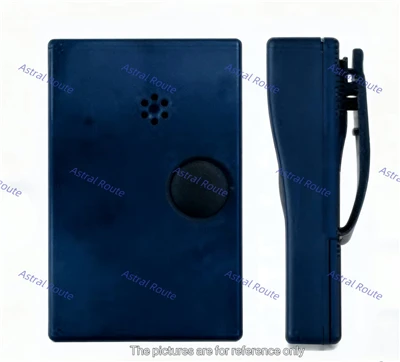
Electronic Personal Dosimeters (EPDs) offer additional protection through real-time dose and dose-rate monitoring, depending on the device configuration.
Features worth considering include:
Real-time dose display
Audible, visual, or vibration alarms
Cumulative dose recording
Dose-rate threshold settings
Data storage and retrieval
For radiation safety officers, these capabilities can improve workforce exposure management and help identify abnormal conditions more quickly.
NORM Monitoring: An Important Consideration for North African Oilfields
NORM management is particularly relevant to the regional petroleum industry.
Scale and sludge containing naturally occurring radionuclides may accumulate in production tubing, separators, tanks, and processing equipment.
During cleaning, maintenance, transportation, or disposal, radioactive materials can become accessible to workers.
A comprehensive radiation protection program may require several types of instruments:
Portable radiation survey meters for dose-rate measurements
Surface contamination monitors for checking potentially contaminated equipment and work surfaces
Personal dosimeters for occupational exposure assessment
Specialized monitoring instruments where particular radionuclides are present
The selection of equipment should reflect the radionuclides, radiation types, measurement objectives, and applicable local requirements.
Neutron, Gamma and Specialized Radiation Detection
Most conventional industrial radiography applications focus on X-ray or gamma radiation. However, not every radiation environment is identical.
Nuclear research, specialized industrial facilities, and certain radioactive material applications may involve neutron radiation or mixed radiation fields.
A standard gamma-only dosimeter cannot automatically provide neutron exposure information.
Organizations working in these environments should evaluate whether dedicated neutron monitoring or combined neutron-and-gamma dosimetry is necessary.
Tritium monitoring may also be relevant in facilities handling tritium-containing materials, while surface contamination monitors serve a different purpose by identifying radioactive material deposited on surfaces.
Choosing equipment according to the actual radiation hazard is more important than purchasing a device simply because it is described as a universal radiation detector.
Compliance and Equipment Selection Across Different Markets
North African countries have their own radiation protection authorities, licensing procedures, and technical requirements.
For example, Egypt's ENRRA oversees the regulation of radiation facilities and radioactive sources, including licensing, inspection, and enforcement. Morocco's radiation protection framework has also been reviewed through an IAEA regulatory assessment.
For international NDT contractors, this means equipment selection should consider both project specifications and the regulations of the country where the equipment will be used.
Buyers should verify:
Applicable local regulatory requirements
Measurement range and detector suitability
Calibration and traceability documentation
Alarm performance
Environmental operating specifications
Service and maintenance arrangements
These checks help prevent procurement decisions that later create difficulties during site approval or equipment qualification.
Radiation Monitoring Solutions for North African Buyers
Astral Route provides a range of radiation detection equipment for industrial and nuclear applications.
Its product range includes electronic personal radiation dosimeters, neutron dosimeters, portable tritium monitors, surface contamination monitors, and other radiation monitoring solutions.
For North African oil and gas operators, refinery maintenance contractors, NDT service providers, and radiation protection equipment distributors, these products can support different monitoring requirements across industrial projects.
Rather than selecting equipment based only on price, buyers should identify their actual application, required radiation types, measurement ranges, calibration expectations, and environmental conditions.
Astral Route welcomes inquiries from North African buyers seeking suitable radiation monitoring equipment for their operational requirements.
Customized solutions are here for you https://www.astralroutetech.com/radiation-dosimeter/
FAQ
1. Why is radiation monitoring important in North African oil and gas projects?
Industrial radiography, radioactive source handling, and NORM-affected equipment can all create occupational radiation risks. Appropriate monitoring helps organizations assess exposure and maintain radiation protection procedures.
2. What radiation detection equipment do NDT contractors need?
Typical equipment includes electronic personal dosimeters and portable radiation survey meters. Additional instruments may be necessary depending on the radiation sources and inspection environment.
3. What is NORM in the oil and gas industry?
NORM refers to naturally occurring radioactive materials. Radium-bearing scale and sludge can accumulate inside production equipment, pipelines, and separators, creating potential exposure and contamination concerns.
4. Are electronic personal dosimeters better than passive badges?
They serve different purposes. Electronic dosimeters provide immediate exposure information and alarms, while passive badges are commonly used for official cumulative dose assessment. Many radiation protection programs use both.
5. What should buyers consider when purchasing radiation monitoring equipment?
Important considerations include detector type, measurement range, accuracy, calibration, alarm functions, battery life, environmental protection, and compliance with local regulations.
6. Does Astral Route supply radiation monitoring equipment for North African projects?
Astral Route offers a range of radiation detection products for industrial and nuclear applications and welcomes inquiries from buyers, distributors, and NDT contractors across North Africa.
Final Thoughts
Industrial radiation safety in North Africa is not just a regulatory issue. It directly affects workforce protection, inspection continuity, maintenance planning, and the reliability of major energy infrastructure.
For oil and gas operators, NDT contractors, and industrial maintenance companies, investing in suitable radiation monitoring equipment is a practical way to strengthen safety management and reduce uncertainty during field operations.
As industrial projects become more demanding, reliable personal dosimetry, portable radiation surveys, and specialized contamination monitoring will remain important components of responsible industrial operations.